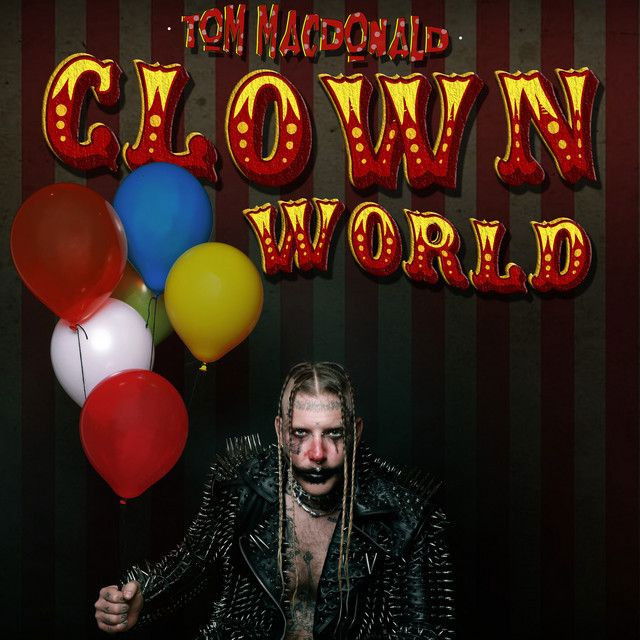
Why 'Clown World' Calls Out Our Circus
The question beneath Tom MacDonald’s single is simple: how did debate turn into spectacle? “Clown World” paints today’s culture wars as a noisy carnival. The song targets outrage addiction, online judgment, and groupthink—then dares listeners to step outside the tent.
"Clown World" - Tom MacDonald
How 'bout leaving better kids for our planet
Entire generation offended at everything
Loading lyrics...
Unable to load lyrics
We're unable to display the lyrics at this time. Please try again later.
What This Protest Really Argues
At its core, the meaning of Clown World Tom MacDonald is a critique of division. He frames a society that confuses opinions with truth, echoing the line your thoughts and opinions ain't facts
. Instead of picking a partisan side, he claims the fight is against a broader system that profits from chaos and resentment.
Interpretation: The song pushes a hard reset. MacDonald argues that constant moral scoring online keeps people from solving real problems. The “clown” metaphor isn’t about literal comedians; it’s a way to say our public square rewards attention-grabs over honest conversation.
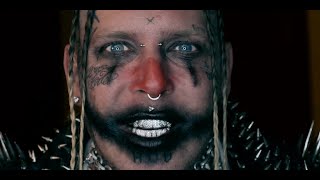
Watch the official Clown World
music video
Who’s Speaking—and What They Want
MacDonald raps in first person, positioning himself as an outsider in a noisy arena. He admits we won't always agree
while challenging listeners to allow disagreement without exile. He frames himself as someone who won’t play the part expected of him—summed up by my feet don't fit in clown shoes
.
Interpretation: He wants room for dissent without automatic labels. The voice is defiant but not nihilistic, insisting that unity requires tolerance for unpopular views.
The meaning of Clown World Tom MacDonald, in plain terms
The track argues that constant side-taking is the problem itself—he says picking sides divides
. The hero-villain template of online discourse collapses nuance, while economic strain and media incentives worsen anger. The song suggests that when identity becomes the only lens, neighbors turn into enemies.
He also flips common slogans to show how language can harden camps. The point isn’t to settle every policy argument; it’s to expose how the theater of outrage distracts from shared interests and basic empathy.
The Chorus as a Carnival Mirror
The hook calls the world full of clowns
with painted smiles
. Interpretation: the chorus is a mirror, not just an insult. “Painted” implies performance—people masking insecurity with loud certainty. Each return to the hook resets the song’s thesis: the spectacle feeds on pride, not solutions.
Symbols & Motifs That Do the Heavy Lifting
- Clowns/circus: Society as spectacle; performance over substance.
- Painted smiles: Social media facades; curated personas.
- Clown shoes: Refusal to play a role he sees as fake.
- Fences/walls and boats/holes: Hypocrisy and mutual risk—if one side sinks, all sink.
- “Civil war” warnings: Fear that endless polarization becomes self-fulfilling.
Together, these images turn abstract complaints into everyday scenes, making the critique feel personal and immediate.
How the Sound Sells the Message
The production leans on a tight, mid-tempo beat, heavy low end, and stark synths—hallmarks of MacDonald’s independent releases with Nova Rockafeller. The mix leaves space for syllables to land, which keeps the argument audible. The hook feels almost chant-like, built for repeat listens and shareable clips.
Interpretation: The minimalism acts like a spotlight. By avoiding dense melodic layers, the track forces attention onto the words and the clean cadence of the chorus, which sticks the metaphor in listeners’ heads.
Alternate Readings & Cultural Crosscurrents
- Interpretation 1: A unity plea. The song is a call to resist tribalism, protect free debate, and recognize shared stakes—even amid deep disagreements.
- Interpretation 2: A populist critique. References to “elites” suggest a belief that chaos is engineered to keep the public distracted and divided.
Reasonable people may push back on specific claims or omissions. That tension is the point: the track invites argument, but asks for it without the face paint.
Takeaway for Listeners
“Clown World” is less about who is right and more about how we argue. By rejecting the costume—those clown shoes
—MacDonald urges listeners to question performative outrage, check their biases, and make space for nuance.
Disclaimer: Song meanings are interpretations based on the recording, publicly available credits, and cultural context. Your reading may differ, and that’s part of the conversation.









