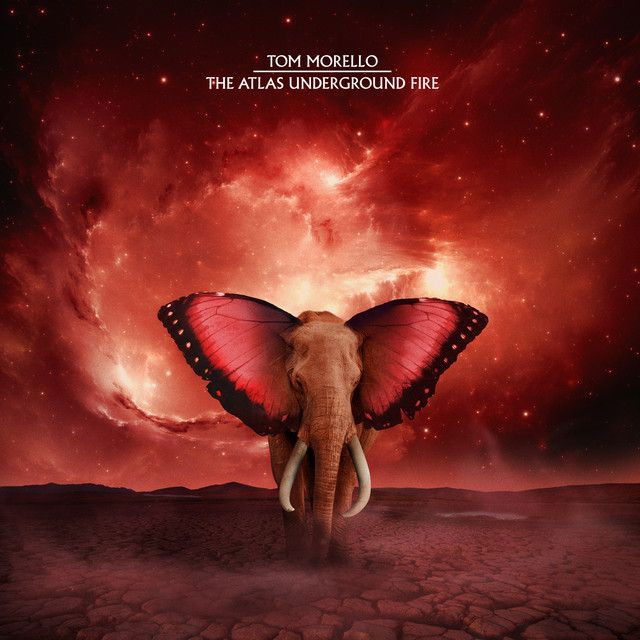
Why “Hold The Line” Sounds Like a Protest Chant
The meaning of Hold The Line Tom Morello, grandson comes through fast: this is a song about staying committed when change is slow and resistance gets ugly. It does not promise easy victory. Instead, it argues that real progress takes discipline, memory, and courage.
"Hold The Line" - Tom Morello ft. grandson
Nobody said that it would all be fine
But to get where we're going
Loading lyrics...
Unable to load lyrics
We're unable to display the lyrics at this time. Please try again later.
Tom Morello and grandson are both known for politically charged music, so this pairing matters. Morello built his reputation through revolutionary guitar work and activist writing, especially with Rage Against the Machine, while grandson has made protest-minded alt-rock a core part of his identity. That background helps explain why this song feels less like a private diary entry and more like a public call to action.
The Core Message Hides in Plain Sight
At its heart, the song says that struggle is long, unfair, and necessary. Early lines reject false comfort. By saying that nobody promised an easy path, the track frames hardship as part of the mission, not proof of failure.
That is why the hook matters so much. When they repeat hold the line
, they are not just talking about patience. They are talking about collective endurance—standing firm when systems try to wear people down.
Interpretation: the “line” can mean a protest line, a moral line, or a shared political position. The song leaves room for all three, but each version points to the same idea: do not surrender ground.
Watch the official Hold The Line
music video
A Song Spoken to a Movement
The lyrics use direct address—“brother” and “sister”—to widen the song’s reach. Rather than speaking from one person’s diary, it sounds like they are addressing a crowd, a community, or a movement under pressure.
That direct style makes the track feel practical. Advice like stay steadfast
and tread lightly
suggests that surviving a struggle takes more than passion. People need caution, discipline, and awareness of how easily opponents can twist a mistake.
Then the song adds urgency. It warns that those in power are searching for a reason to discredit the cause, and it answers with the need to get loud
. In plain terms, they are saying movements must be smart, but they also cannot be timid.
How the Verses Build a Story of Resistance
The song does not tell a detailed plot, but it does move through a clear sequence:
- It begins by rejecting the fantasy of quick victory.
- It shifts into advice for surviving backlash.
- It warns about manipulation and stolen language.
- It ends by doubling down on solidarity.
That third step is one of the song’s sharpest ideas. The line about those who co-op the movement
points to a real political problem: power can absorb the look and language of protest while draining away its purpose. In other words, people may be told they are already free while still being controlled.
Interpretation: this section criticizes symbolic change without structural change. The song pushes listeners to watch for empty slogans, branding, or official gestures that make injustice look solved when it is not.
Why the Chorus Feels Bigger Than a Slogan
A lesser protest song might stop at a catchy phrase. This one gives the phrase pressure. Each return of the chorus sounds less like decoration and more like reinforcement, as if the song is trying to train resolve through repetition.
That matters because the track understands fatigue. It knows that people get discouraged, divided, or distracted. So the chorus acts like a reset button: ignore the noise, remember the goal, keep going.
Hold the line
Don't pay 'em no mind
Oh, hold the line
Even in that brief passage, the emotional logic is clear. The song is not asking for passive hope. It is asking for focused refusal.
The Sound Makes the Meaning Hit Harder
The production supports the message by keeping things forceful and stripped to essentials. Morello’s style has long mixed heavy riff energy with a sense of confrontation, and grandson’s vocal approach often leans into tension and bite. Together, they make the song sound like an alert, not a meditation.
The beat and repeated hook give it the feel of a chant. That is important. Chants are built for groups, not isolation. They are easy to repeat, easy to remember, and made to travel through crowds.
Interpretation: the music turns the song’s politics into something physical. Listeners do not just hear endurance; they feel the push to stay upright and engaged.
The Final Sample Changes the Temperature
Near the end, the spoken words about free speech, free assembly, and the free press darken the track. Suddenly the song becomes even more explicit about what is at stake. This is no longer just about inner strength. It is about democratic rights and what happens when systems strip them away.
That closing moment widens the song’s frame. It connects personal resolve to institutional danger, suggesting that “holding the line” is also about protecting public freedoms before they disappear.
Why the Song Still Lands
The meaning of Hold The Line Tom Morello, grandson is powerful because it balances warning with motivation. It admits that progress is slow, opponents are strategic, and movements can be weakened from both outside and inside. But it still chooses resolve over despair.
For casual listeners, it works as a hype song. For closer listeners, it is a guide to political stamina. It says people should remember those who stood up before them, avoid false victories, and keep their principles intact under pressure.
That is why the song resonates: it does not sell comfort. It sells commitment.
Disclaimer: This interpretation is based on the lyrics provided, the artists’ public musical personas, and the song’s language and sound. As with any song, listeners may hear different meanings in it.








