Why 'We Turn Our Eyes' Feels Like a Rescue
The meaning of We Turn Our Eyes Tommee Profitt, Jamie MacDonald starts with a simple move: attention. The song argues that hope begins when people stop staring at fear and choose to look toward Christ instead. That makes it a worship song about spiritual reorientation, but also about emotional survival.
"We Turn Our Eyes" - Tommee Profitt, Jamie MacDonald
No light in the darkness you see?
There is light for a look at the Savior
Loading lyrics...
Unable to load lyrics
We're unable to display the lyrics at this time. Please try again later.
On the surface, the lyric speaks to tired, burdened people. It opens by naming weariness and darkness, then answers that pain with the idea of light, life, and freedom. The core message is not that suffering is fake. It is that suffering does not get the last word.
A Hymn-Like Message in Modern Form
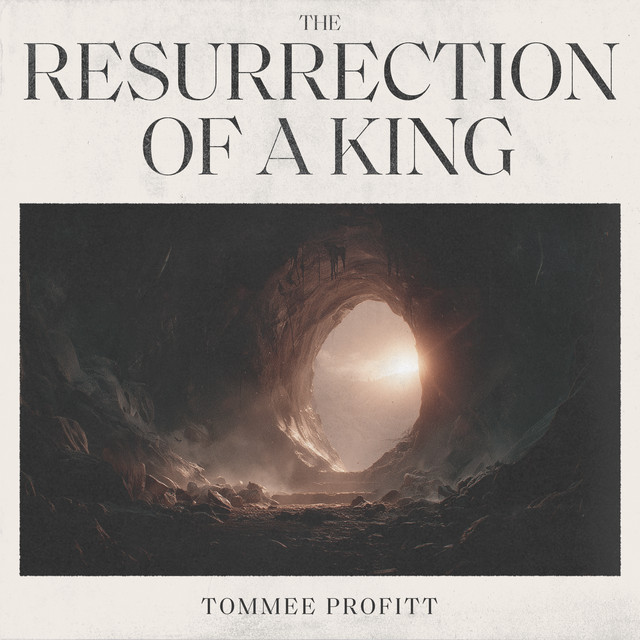
Tommee Profitt placed the song on The Resurrection of a King, his 2026 Easter-focused album of “cinematic” reimaginings of faith-centered material. According to album coverage, the project was designed to make older sacred themes feel more accessible to modern listeners. That context matters here.
“We Turn Our Eyes” sounds like a hymn in spirit even while its production feels big-screen and contemporary. Jamie MacDonald’s vocal gives the song warmth and urgency, helping it land as a personal prayer rather than a museum piece. In other words, the track is not only about faith; it is also about making faith sound present-tense.
What the Song Is Really Saying
At its heart, the song traces a movement from despair to confidence. Early lines describe the soul as tired and unable to find light. The answer is not self-help or denial. The answer is to turn our eyes
toward a Savior.
That repeated image matters. Looking is a choice, but it is also an act of trust. When the chorus says darkness bow to light
, it compresses the whole theology of the song into one picture: evil and grief are real, yet they retreat before divine power.
Interpretation: The lyric suggests that healing begins internally before it shows up externally. A changed focus does not erase pain overnight, but it changes who or what has authority over the person living through it.
How the Verses Build the Theme
The song develops in clear stages:
- It names exhaustion and confusion.
- It points toward Jesus as the source of light.
- It ties that hope to death and resurrection.
- It ends by sending believers back into the world with a message to share.
That final step is important. This is not only a private comfort song. It becomes a commission song too. By the end, faith is meant to move outward.
One brief section sums up that turning point:
Turn your eyes upon Jesus
things of earthgrow dim
in the light of glory and grace
The idea here is not contempt for daily life. It is perspective. Earthly fears, temptations, and distractions lose their grip when seen beside something greater.
Resurrection Language Changes the Meaning
A major reason the song feels so strong is its resurrection logic. It says Christ went through death into life
, and believers follow that path. This is where the track shifts from comfort to victory.
The line about being “more than conquerors” places the song inside a long Christian tradition of triumph through suffering. It does not promise an easy life. Instead, it frames hardship as something that can be endured because the ending has already been changed.
Interpretation: In this reading, the song is less about escape from pain than about transformation through it. Night is still night, but love has already defeated its final power.
Why the Chorus Feels So Uplifting
The chorus works because it is both communal and active. The phrase we will rise
turns the song from solo prayer into shared declaration. That collective language matters in worship music, especially for listeners who feel isolated.
Rather than saying only “I,” the song says “we.” That creates belonging. It tells struggling listeners they are not battling darkness alone.
It also gives the song momentum. Each return to the chorus feels less like repetition and more like reinforcement. The message stays the same, but the emotional force increases.
Sound, Scale, and Tommee Profitt's Style
Profitt is known for dramatic, orchestral production, and this song fits that pattern. Reporting on the album describes sweeping arrangements, a larger-than-life sound, and a sequel-like connection to his earlier holiday project The Birth of a King. On a 19-track record that reached No. 11 on Billboard's Christian albums chart, this track sits near the end as a reflective but still cinematic high point.
That sonic scale supports the lyric. Big drums, layered vocals, and rising dynamics make the song feel like a battle turning in real time. The production gives musical shape to the words about light overcoming night.
Jamie MacDonald’s performance is key too. They do not oversing the message. Instead, they balance tenderness with lift, which keeps the song from feeling merely theatrical. The voice carries both empathy for the weary and conviction about hope.
For more background on the album’s concept and credits, see this album overview.
A Song About Focus in an Age of Overload
Part of the song’s appeal is how well its message fits modern life. Many listeners know what it means to feel spiritually scattered, emotionally tired, or overwhelmed by bad news. In that setting, “turning their eyes” can sound less like a cliché and more like a survival practice.
That helps explain the song’s reception within Profitt’s larger project. His stated goal has been to bring rich older faith language into a sound people can connect with now. “We Turn Our Eyes” succeeds because it keeps the theology clear while making the emotion immediate.
Final Take: Hope as a Deliberate Act
The best way to hear this song is as an invitation. It tells weary people that hope starts with where they look, what story they trust, and who they believe has overcome the night. That is why the meaning of We Turn Our Eyes Tommee Profitt, Jamie MacDonald feels so direct: it is a song about choosing hope on purpose.
This interpretation is based on the lyrics, credited album context, and production style; like all song analysis, some meaning remains open to personal faith and listener experience.








