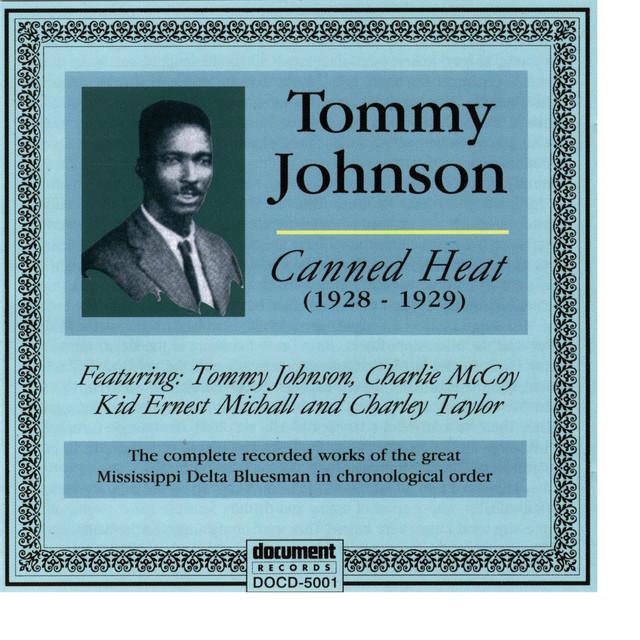
Canned Heat Blues by Tommy Johnson
A Blues Song About Desperation, Not Romance
The meaning of Canned Heat Blues Tommy Johnson starts with a hard fact: this is a song about addiction and survival at the edge. In 1928, Johnson recorded a blues that turns a dangerous substance into the center of its pain. According to Wikipedia, the term “canned heat” referred to Sterno, a canned fuel that some desperate drinkers consumed for its alcohol content.
"Canned Heat Blues" - Tommy Johnson
Crying, canned heat, mama, sure, Lord killing me.
Takes alcorub to take these canned heat blues.
Loading lyrics...
Unable to load lyrics
We're unable to display the lyrics at this time. Please try again later.
That context matters because the song does not treat drinking as stylish or carefree. It presents it as misery. When the singer says canned heat
is killing me
, they are not being poetic for effect. They are describing a physical and spiritual crisis in plain language.
This directness is one reason the song still hits so hard. Johnson strips the story down to need, shame, pain, and helpless repetition. There is no safety net in the lyric, and that lack of comfort is part of the point.

Watch the official Canned Heat Blues
music video
The Core Meaning Behind the Cry
At its heart, the song shows a person trapped by dependence. They know the thing they reach for is ruining them, but they still cannot let it go. The line about it taking alcorub
to ease the pain suggests a cycle: one harmful substance is used to numb the damage caused by another.
Interpretation: The song is not just about intoxication. It is about what happens when need becomes stronger than choice. The blues voice here sounds caught between confession and warning.
That gives the song two layers at once:
- a literal account of substance abuse
- a broader blues story about being cornered by life
In many classic blues songs, suffering comes from love gone wrong, poverty, travel, or bad luck. Here, the suffering is inward too. The enemy is now inside the body.
How the Lyrics Build a Life in Collapse
Johnson uses repetition to make the listener feel the grind of addiction. The repeated cries of mama
and the return to the same painful idea create the sense that the singer is stuck in one terrible moment.
The imagery is simple but vivid. They wake up to find 'round my bed
filled with the evidence of their habit. That detail makes the song feel physical and immediate. This is not a vague sadness. It is a room, a body, a morning after, and a problem that has followed them into daylight.
Run here, somebody,
take these canned heat blues.
This brief plea matters because it opens the song outward. For most of the lyric, the singer is locked inside their own pain. Here, they call for help. Whether that help is medical, emotional, or spiritual is not stated. The important thing is that they can no longer carry the burden alone.
Why the Song Sounds So Uncomfortable
The production style of early Delta blues helps the meaning land. Johnson’s recording is spare, with voice and guitar doing nearly all the work. There is no lush arrangement to soften the message.
That bare setting creates intimacy. The listener hears strain in the vocal delivery and a rough, human pulse in the guitar. Instead of sounding polished, the performance feels exposed.
Interpretation: That roughness is part of the song’s meaning. It mirrors instability. The music does not stand above the suffering and explain it. It sits inside it.
The rhythm also matters. Blues repetition can feel hypnotic, and in this song that quality suggests compulsion. The singer circles the same phrases because the problem itself is circular.
Tommy Johnson’s Place in Blues History
Tommy Johnson was one of the important early Mississippi blues artists, and this song remains one of his best-known recordings. Its influence reached far beyond its first release. The blues-rock band Canned Heat later took their name from this song, a sign of how deeply Johnson’s work echoed through later generations.
That link also says something about the song’s legacy. Even listeners who do not know the full story may know the title through the band. But Johnson’s original meaning is much darker than a cool band name. It comes from economic hardship, addiction, and the brutal realities that early blues often documented without decoration.
A Warning Hidden Inside a Lament
One of the most striking parts of the lyric is the mix of surrender and defiance. The singer says this substance is destroying them, yet also claims that if it does not finish the job, they will endure. That twist gives the song a survival instinct.
Interpretation: The voice is broken, but not silent. Even in collapse, they keep speaking. That is a classic blues move: turning pain into testimony.
So the meaning of Canned Heat Blues Tommy Johnson is larger than one bad habit. It is about a person naming the thing that is consuming them and refusing to hide the damage. The song becomes both confession and record.
Why the Song Still Matters Now
Modern listeners may hear the song as an early addiction narrative. That is a fair reading, especially because the lyric is so blunt about harm. They may also hear it as a portrait of poverty, where people use whatever is available, no matter how dangerous, because better options are out of reach.
Both readings fit the evidence in the lyric and the historical context. The song is old, but its emotional truth is current: dependency can isolate people, damage the body, and leave them asking for help too late.
That is why the song remains powerful. It does not preach. It simply shows suffering in a human voice and lets that honesty do the work.
Final Take
Canned Heat Blues is about addiction, desperation, and the thin line between endurance and self-destruction. Its plain words, repeated cries, and stripped-down sound make the pain feel immediate rather than distant.
Readers should note that song meaning always includes interpretation. This article separates documented context from informed reading, but no single explanation can fully close a blues song this raw.







