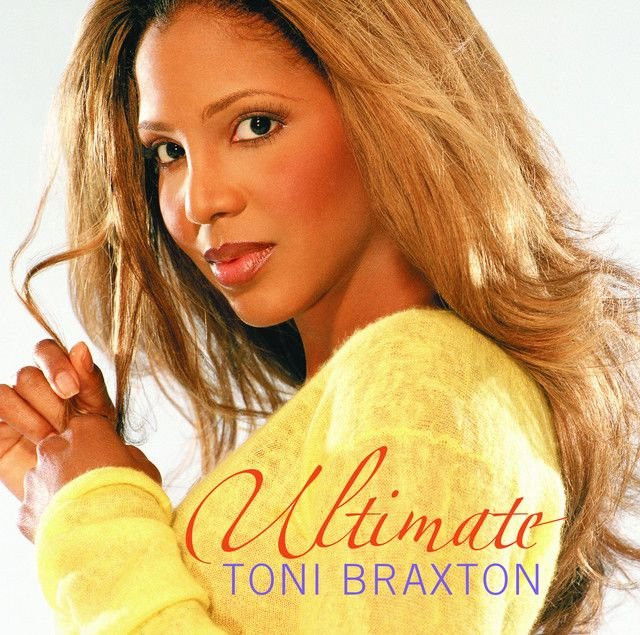
Why Toni Braxton's Sharpest Hit Still Stings
The meaning of Wasn't Man Enough Toni Braxton becomes clear almost right away: this is not a sad plea for a lost relationship. It is a cool, direct message from someone who has already walked away.
"Wasn't Man Enough" - Toni Braxton
Toni Braxton, oh
Ha ha, uh huh
Loading lyrics...
Unable to load lyrics
We're unable to display the lyrics at this time. Please try again later.
Released as the lead single from The Heat in 2000, He Wasn't Man Enough
marked a shift from the slow-burning ballads many listeners linked with Toni Braxton. According to available release information, the song was written by Rodney Jerkins, Fred Jerkins III, LaShawn Daniels, and Harvey Mason Jr., and produced by Rodney "Darkchild" Jerkins. It was released on February 29, 2000 and later became one of Braxton's biggest crossover hits, reaching No. 2 on the Billboard Hot 100 and No. 1 on Hot R&B/Hip-Hop Songs. It also won the Grammy for Best Female R&B Vocal Performance. Those facts help explain why the song still matters: it turned heartbreak into authority.
A breakup song with no self-pity
At its core, the song is about a woman refusing blame. The narrator is speaking to her ex's new partner, who seems to think there is still unfinished business. Braxton's character shuts that down fast. When she says he wasn't man enough for me
, she is not bragging about being above love. She is saying that the relationship failed because of his weakness, not because she could not keep him.
That distinction matters. The song is not built around jealousy. It is built around judgment. The narrator already knows this man, already tested the relationship, and already decided it was not worth saving.
Interpretation: the real sting is not that the new partner "stole" him. It is that she got stuck with a person the narrator had already rejected.
Watch the official Wasn't Man Enough
music video
Who is speaking, and why the tone feels so strong
Braxton's narrator speaks in first person, but the emotional effect is public and confrontational. She addresses another woman directly with phrases like listen, girl
and stop blamin' me
. Those short lines create a face-to-face scene, almost like an argument already in progress.
The song's power comes from how calm that argument sounds. Instead of crying or begging, the speaker sounds tired of being misread. She keeps repeating that she let him go and that the new woman should look at his actions, not hers.
There is also a subtle reversal happening. In many breakup songs, the ex is the prize. Here, he is the warning sign. That flips the usual love triangle and gives the narrator control.
The chorus turns rejection into a verdict
The hook is simple, but it carries the whole song. Braxton keeps returning to the idea that she has already had your man
. In plain terms, she is saying the new partner is late to the story.
That line is not about possession as much as experience. The narrator is not trying to reclaim him. She is using her history as evidence. She knows his habits, his excuses, and his limits.
So many reasons why our love is throughWhat makes you think he'll be good to you
This brief moment sums up the song's warning. The relationship ended for real reasons, and the narrator doubts he has changed enough to treat anyone better.
Darkchild's production makes the message hit harder
A big reason the song lands so well is its sound. Critics have often pointed to Darkchild's layered production, and Rolling Stone Australia praised the track's chimes, claps, and strings as part of what makes it feel so rich. That polished, busy arrangement gives the song motion and edge.
Instead of sounding wounded, the record moves with confidence. The beat is quick, the rhythm snaps, and Braxton's low, smoky voice rides over the top with control. Entertainment Weekly described the track as having a "cushiony pulse," which fits the way the song feels both sleek and cutting.
That contrast is important to the meaning of Wasn't Man Enough Toni Braxton. The production does not let the song sink into sorrow. It keeps pushing forward, as if the narrator has no time to sit in regret.
Why this song fit Toni Braxton so well
Braxton was already known for emotional ballads, but this single showed a different kind of strength. L.A. Reid reportedly called the song "very strong, and very personal to her," and that idea helps explain why her performance feels believable.
Even without assuming the lyrics are literally autobiographical, listeners can hear conviction in the delivery. She does not oversing the message. She almost underplays it, which makes lines like I think he's just the man for you
feel even colder.
Interpretation: part of the song's appeal is its sarcasm. That line sounds polite on the surface, but it is really a cutting dismissal. The narrator is saying: if this is what you chose, then deal with what comes with him.
The lasting legacy of the song
The song has stayed alive because its emotional setup is timeless. It speaks to a common situation: one woman gets blamed for a man's failures, and she refuses to carry that burden. That idea still resonates.
Its influence also reached newer audiences when Burna Boy used the song's instrumental opening for Last Last
, bringing fresh attention to Braxton's hit. More than two decades later, the original still sounds modern because its message is sharp, specific, and unsentimental.
The clearest takeaway
The meaning of Wasn't Man Enough Toni Braxton is not revenge. It is self-respect with receipts. The narrator is not heartbroken that she lost a man; she is annoyed that someone else thinks she wants him back.
That is why the song still hits. It turns a breakup into a verdict, and it gives the last word to the person who already moved on.
Disclaimer: This article offers interpretation based on the lyrics, performance, and documented release context. Like all songs, listeners may connect with it in different ways.








