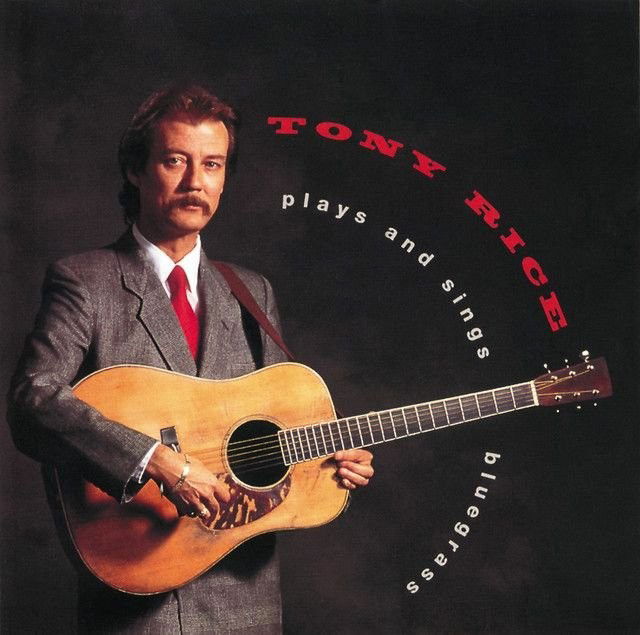
Why Tony Rice’s ‘I’ve Waited as Long as I Can’ Hurts
The meaning of I've Waited as Long as I Can Tony Rice comes down to a simple but painful moment: someone finally accepts that love will not be returned. This is not a dramatic breakup song full of blame. Instead, it is about patience wearing out.
"I've Waited as Long as I Can" - Tony Rice
But this waiting no longer I can stand
I know you've had time dear to make up your mind
Loading lyrics...
Unable to load lyrics
We're unable to display the lyrics at this time. Please try again later.
In Tony Rice’s hands, that emotional turning point feels even more human. Their performance style often favored restraint over showiness, and that matters here. The song does not explode. It sinks in.
A Love Story Defined by Waiting
At its core, the narrator has stayed loyal, hopeful, and emotionally available for too long. They have given the other person time to choose, hoping that uncertainty would turn into commitment. But by the end, they realize waiting has become its own kind of suffering.
The opening idea sets the tone right away: the speaker has been true, but cannot keep enduring the delay. That line frames the whole song. This is not about a sudden rejection. It is about the slow pain of being kept in limbo.
When the title phrase appears as waited as long as I can
, it works like a final boundary. The narrator is not saying they stopped caring. They are saying love without an answer has become unbearable.

Watch the official I've Waited as Long as I Can
music video
Who Is Speaking, and What Do They Want?
The song uses a first-person voice, but the feeling is broad enough to sound universal. The narrator wants a clear sign of love and a shared future. They are not asking for something vague. They want spoken commitment and lasting partnership.
That hope appears in the wish to hear you love me
and in the image of someone taking their hand. In country and bluegrass writing, that kind of gesture usually points to steady devotion, not just romance in the moment. The song’s sadness comes from how ordinary the dream is. They are not asking for the impossible.
The Emotional Timeline in Four Steps
The song unfolds in a clean sequence, which is one reason it feels so direct:
- The narrator explains they have waited faithfully.
- They admit they are still hoping for open love.
- They realize every effort has failed.
- They say goodbye, even though it hurts.
That structure gives the song its power. Each verse moves a little closer to acceptance. By the time the narrator says they have done all they can do, the heartbreak feels settled rather than impulsive.
done all I can do
said all I can say
Those short lines matter because they show emotional exhaustion. The speaker has tried action, words, patience, and pleading. Nothing changed.
The Chorus as a Breaking Point
The refrain is the song’s emotional center because it turns waiting into a verdict. Up to that point, patience could still sound noble. In the chorus, patience starts to sound tragic.
Interpretation: the repeated title is not only a complaint. It is a moment of self-respect. The narrator finally sees that endless hoping can become self-erasure. In other words, the song is about heartbreak, but it is also about choosing to stop living inside another person’s indecision.
That nuance is key to the meaning of I've Waited as Long as I Can Tony Rice. The song grieves lost love, yet it also marks the moment when grief becomes clarity.
Small Words, Big Themes
This song uses plain language, but its themes run deep. A few motifs carry most of the weight:
Time
Nearly every verse depends on time passing. Waiting is not just background detail; it is the wound itself. The longer the silence goes on, the stronger the message becomes.
Voice and silence
The narrator keeps asking, explaining, and trying to be understood. But the other person never gives the answer they need. That gap between speech and silence is where the ache lives.
Tears and goodbye
Near the end, the song shifts from hope to visible loss. The farewell and tears make the decision real. Even then, the narrator does not become cruel. They are simply defeated.
How Tony Rice’s Sound Deepens the Meaning
Tony Rice is widely recognized as a major figure in bluegrass guitar and acoustic music, praised for both flatpicking and expressive singing by institutions like the Bluegrass Hall of Fame and reference sources such as Encyclopaedia Britannica. That context helps explain why this song lands so strongly.
Rice’s style often brought warmth, control, and quiet sorrow to material like this. In a song about unreturned love, that approach matters more than vocal force would. A gentler delivery can make resignation sound final.
From a production angle, the likely acoustic setting also supports the theme. Bluegrass and country arrangements often leave plenty of space around the vocal. That space mirrors the song’s loneliness. Guitar lines can sound like thoughtfulness between lines, while a steady rhythm suggests time continuing whether the heart is ready or not.
Interpretation: if listeners hear the performance as calm, that calm should not be mistaken for peace. It sounds more like someone who has cried enough and is now speaking plainly.
Why the Song Still Connects
One reason this song lasts is that it understands a common emotional problem: not every heartbreak ends in a fight. Sometimes it ends in a long pause that never becomes an answer.
The line about wasting my time
gives the song its hardest truth. The narrator realizes that love can be sincere and still go nowhere. Later, when they admit tears fall from my eyes
, the song shows the cost of that realization without overplaying it.
For many listeners, that balance is the appeal. The song honors devotion, but it does not romanticize endless waiting.
A Clear Takeaway
The meaning of I've Waited as Long as I Can Tony Rice is about the moment patience turns into goodbye. It captures the pain of loving someone who will not fully choose them, then finding the strength to stop waiting.
That is why the song feels so lasting. It treats heartbreak not as chaos, but as a sad, steady truth.
Disclaimer: This interpretation is based on the lyrics, Tony Rice’s performance context, and common country-bluegrass themes. As with any song, listeners may hear it differently.







