Why Tony Tribe's 'Red Red Wine' Still Hurts
The meaning of Red Red Wine Tony Tribe is simple on the surface and surprisingly sad underneath. They sing about a person trying to drink away heartbreak, only to learn that memory is stronger than any quick fix.
"Red Red Wine" - Tony Tribe
Go to my head
Make me forget that I
Loading lyrics...
Unable to load lyrics
We're unable to display the lyrics at this time. Please try again later.
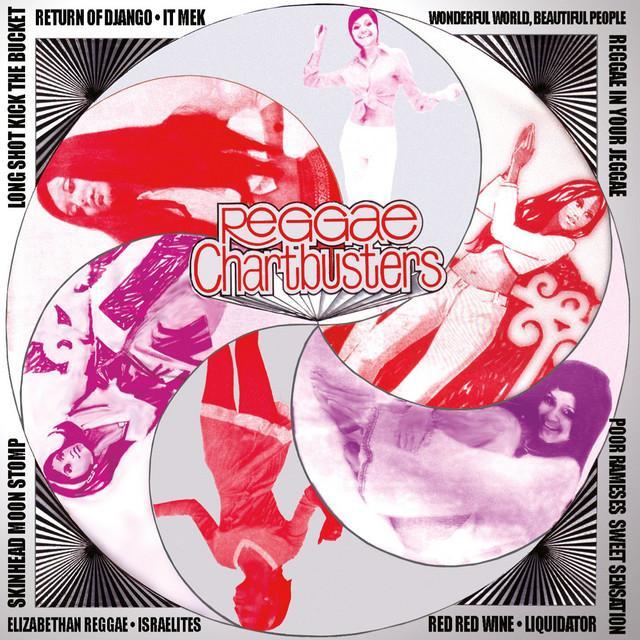
Tony Tribe did not write the song. Neil Diamond wrote and first recorded it in 1967 for Just for You, and Tony Tribe turned it into a reggae hit in 1969. According to the song's chart history, Tribe's version reached No. 46 in the UK and became Trojan Records' first chart hit (Wikipedia). That matters because the reggae arrangement changed how listeners felt the song, even while keeping its emotional core.
A breakup song disguised as a groove
At its heart, this is a song about failed forgetting. The singer wants relief from a breakup and turns to wine for help. Early on, the hook asks red wine to go to my head
, which is really a plea for numbness. They are not celebrating drinking. They are asking for escape.
The next key idea is even more important: they still need the person they lost. When the lyric says still need her so
, the song stops being casual and becomes openly vulnerable. This is not a revenge song or an angry breakup song. It is about lingering attachment.
Interpretation: The pain feels fresh, but the song also hints that time has passed. The singer expected distance to heal them, yet the memories remain active. That gap between what they hoped for and what actually happened gives the song its ache.

Watch the official Red Red Wine
music video
The small story inside the lyric
The lyric is short, but it follows a clear emotional path:
- They reach for wine as a coping tool.
- They admit they have already done all they can.
- They realize memory will not fade on its own.
- They ask not to be left alone with their grief.
That middle section is crucial. The singer says, in effect, that they thought time would erase the person from their mind. Instead, the opposite happened. The line about memories won't go
shows that the real enemy is not the breakup itself. It is repetition. Memory keeps replaying loss.
There is also a strong contrast between outward calm and inward damage. Near the end, the song asks the wine to stay close to me
. That request sounds gentle, but it reveals dependence. The drink becomes a companion replacing the missing lover.
Don't let me be alone
It's tearing apart
my blue, blue heart
Those lines bring the emotional truth into focus. The loneliness is not background detail. It is the center of the song.
Why the reggae setting changes the meaning
One reason Tony Tribe's version lasts is the tension between sound and subject. Neil Diamond's original was a melancholy folk-pop ballad, while Tribe's cover shifted the song into reggae (Wikipedia). The lyric stays sorrowful, but the rhythm feels lighter, looser, and more communal.
That creates an emotional double effect. Listeners can sway to it, yet the words describe someone falling apart inside. In many songs, the arrangement and lyric push in the same direction. Here they pull against each other. That contrast makes the sadness feel more human. People often hide hurt behind everyday motion, and this version captures that perfectly.
A warm groove around a cold feeling
Reggae often leaves space in the beat. In Tony Tribe's recording, that space helps the song breathe. The relaxed tempo does not erase the pain; it frames it. Instead of sounding dramatic, the heartbreak sounds ordinary and lived-in.
Interpretation: That is why the song can feel more devastating in reggae form than in a straight ballad. The smoothness suggests someone trying to stay composed while quietly unraveling.
Artist context and why this version matters
Tony Tribe's recording has a special place in the song's history. It helped establish the reggae reading of "Red Red Wine," and that version later shaped UB40's much bigger hit. In fact, UB40 members said they knew the song through Tony Tribe's reggae cover and did not initially realize Neil Diamond was the original writer (Wikipedia).
That detail shows how powerful Tribe's interpretation was. He did not just cover the song; he helped redefine it. For many listeners, the reggae feel now seems natural to the lyric, even though it began as a different kind of record.
The deepest themes in plain language
The song keeps returning to a few clear themes:
- Heartbreak: They cannot detach from the lost relationship.
- Escapism: Wine becomes a short-term answer.
- Loneliness: Being alone is what they fear most.
- Memory: Time has not done its job.
The color language helps, too. Red wine suggests comfort, warmth, and intoxication. A blue, blue heart
suggests sadness and emotional bruising. The song sets those colors against each other: red as the attempted cure, blue as the real condition.
Final take on the song's meaning
The meaning of Red Red Wine Tony Tribe is not about partying. It is about using pleasure to cover pain and learning that the cover does not fully work. Tony Tribe's reggae version makes that message more striking because the music glides while the singer sinks.
That is why the song endures. It understands a common human habit: when grief refuses to leave, people reach for anything that might quiet it for a while.
Disclaimer: This interpretation is based on the lyrics, recording history, and musical context. As with any song, listeners may hear personal meanings that differ from this reading.







