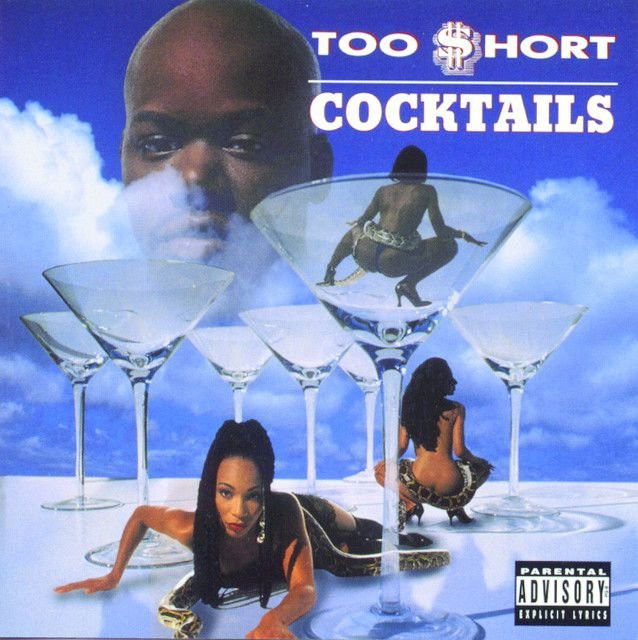
What “We Do This” Says About Too $hort
Too $hort’s “We Do This” is not subtle, and that is the point. The meaning of We Do This Too $hort centers on performance: performance of masculinity, status, sexual control, and street credibility. Rather than tell a deep emotional story, the song builds a persona that treats desire, power, and reputation as everyday habits.
"We Do This" - Too $hort
Like welfare day, can't stop the first of the month
Can't stop Short Dawg neither
Loading lyrics...
Unable to load lyrics
We're unable to display the lyrics at this time. Please try again later.
Too $hort, born Todd Anthony Shaw, is widely recognized as an Oakland rap pioneer whose style often focused on pimping, promiscuity, and street survival. Those traits are part of his larger public image and catalog, not just this one song. According to publicly available career summaries, that persona helped define his place in West Coast hip-hop for decades.
More Than Shock Value: The Core Meaning
At its core, the song is about routine behavior turned into identity. The repeated idea of “this is how they do it” frames the speaker’s actions as normal, even inevitable. That matters because the track is not asking for approval. It is announcing a code.
Interpretation: the song turns bragging into philosophy. When the narrator acts like his choices are simply reality, he tries to make selfishness sound practical. That is why so many lines feel less like confession and more like instruction.
Several short phrases show that stance. He boasts that he does it on a regular basis
, claims women are in all kind of places
, and keeps returning to the hook-like idea how I do this
. In plain terms, the song argues that his behavior is constant, portable, and central to who he is.
Watch the official We Do This
music video
The Voice They Hear: Character, Not Diary
The song uses a first-person rap voice, but that does not mean every line should be read as literal autobiography. In hip-hop, especially in explicit West Coast rap, artists often heighten traits to create a larger-than-life speaker.
Too $hort built much of his career on exactly that kind of character work. He became known for a relaxed but blunt delivery and for lyrics that pushed explicit themes to the front of the mix. His reputation as a “player” rapper is part of the context listeners bring to “We Do This.”
Why the Persona Matters
The narrator talks as if everything is a game of leverage. Romance is stripped away. Empathy is stripped away too. The song’s women are mostly treated as props in a status contest, while the male voice presents itself as cool, untouchable, and always in control.
Interpretation: this is one reason the song can feel both charismatic and ugly at the same time. Its energy comes from confidence, but its worldview is narrow and harsh.
How the Verses Build the Message
The song moves in cycles rather than a plot. Each verse adds a new angle on the same image of power.
- Sex as proof of status. Early lines frame sexual access as evidence that the narrator “wins.”
- Women as inventory. He brags about options and reach, making intimacy sound like a collection system.
- Street logic as life logic. Later bars widen the message beyond sex and into competition, implying that if someone does not take what they want, someone else will.
- Regional pride and survival. In the final stretch, the track links this player image to Oakland identity, hustling, charts, police conflict, and toughness.
That last move is important. The song starts with crude boasting, but it ends by tying the same voice to a wider street worldview. A short line like go for yours
becomes bigger than seduction. It becomes a survival slogan.
When you play the game of life
ain't no stupid rules
This brief moment sums up the song’s logic. The narrator claims life is so competitive that moral limits no longer matter.
Oakland DNA in the Sound
The production helps sell that worldview. Too $hort’s music is closely tied to West Coast and Bay Area rap traditions, including drum-machine-driven beats, funk-minded grooves, and an unhurried flow. Reference material on his style notes his use of machines like the TR-808 and replayed funk riffs across much of his classic era.
That matters here because the beat does not sound panicked or emotional. It sounds steady, loose, and assured. The groove gives the speaker room to talk, flex, and repeat himself until the message feels ingrained.
Why the Delivery Works
Too $hort rarely needs to yell. Their calm tone is part of the power display. By sounding casual while saying extreme things, the rapper makes the attitude feel lived-in rather than dramatic.
Interpretation: the relaxed flow is the song’s real weapon. If the same lyrics were shouted, they might sound defensive. Delivered coolly, they sound like routine doctrine.
A Harder Reading Beneath the Boasts
There is another way to hear “We Do This.” Beneath all the swagger, the song may reveal insecurity. Constant conquest, constant repetition, and constant self-advertising can suggest someone who must keep proving control because they fear losing it.
The late verse also widens the lens with references to jail, hustling, and police pressure. That shift suggests the player persona is connected to a harsher social world, where toughness becomes armor. The song does not explore that pain in a reflective way, but traces of it sit under the surface.
Why the Song Still Fits Too $hort’s Legacy
The meaning of We Do This Too $hort fits neatly with the artist’s long-running identity: Oakland-made, explicit, blunt, and committed to a street-player archetype that shaped his career. It is not a song about romance or growth. It is about repetition, dominance, and self-branding.
For some listeners, that makes it a time-capsule of unapologetic West Coast rap. For others, it highlights the limits of that persona, especially in how it reduces women to functions instead of people. Both readings can be true at once.
In the end, “We Do This” matters less for plot than for attitude. It shows how Too $hort turns a voice, a beat, and a set of repeated ideas into a whole worldview.
Disclaimer: This article offers interpretation based on the lyrics, performance, and public career context. Song meaning can vary from listener to listener.








