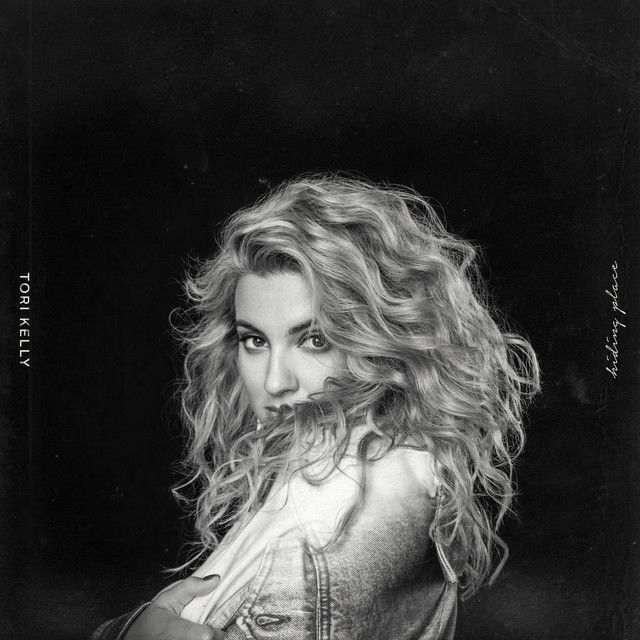
Masterpiece by Tori Kelly, Lecrae
The meaning of Masterpiece Tori Kelly, Lecrae centers on spiritual growth. The song sees a flawed life not as ruined, but as unfinished. Instead of hiding weakness, they frame it as material God can shape into something beautiful.
"Masterpiece" - Tori Kelly ft. Lecrae
How mistakes can be
A blessing in disguise
Loading lyrics...
Unable to load lyrics
We're unable to display the lyrics at this time. Please try again later.
That idea gives the track its heart. Tori Kelly sings from a place of doubt, prayer, and trust, while Lecrae answers with a direct reminder of worth. Together, they turn a gospel-pop song into a message about identity: people may feel broken now, but they are still in progress.
A Prayer About Becoming, Not Arriving
At its core, the song is a prayer. The speaker is not claiming perfection. They are asking to be changed. When Kelly sings about being a work of art
, she is not bragging. She is wondering whether God can see beyond the mess of the present moment.
That question matters because the verses are full of insecurity. They describe days when life feels off key
and emotionally unstable. The song does not deny those feelings. Instead, it argues that failure and confusion can still fit inside a larger plan.
This is why the hook lands so strongly. The repeated request to be made a masterpiece
is really a request for purpose, healing, and patience. The title word suggests a finished creation, but the song spends most of its time in the middle of the process.

Watch the official Masterpiece
music video
The Central Theme: Mistakes Can Be Transformed
One of the song's clearest ideas is that human mistakes are not the end of the story. Early lines say errors can become a blessing or miracle in disguise. Paraphrased simply: what looks like damage now may later reveal meaning.
Interpretation: This does not mean pain is good by itself. It means pain can be used. The song's theology is restorative, not naive. God is presented as an artist who does not throw away rough drafts.
That image connects to several creative metaphors. The speaker imagines being a sketch, a melody, a symphony, and a stone turned into treasure. Each image points to development. A sketch is not complete. A melody can sound weak alone. A rough stone needs shaping. The song keeps saying the same thing in different forms: growth takes time.
Why the Chorus Feels So Personal
The chorus moves from reflection into surrender. The speaker asks God not to withdraw love and describes life without that love as chaotic, like being tossed by the wind and sea
. This makes the song less about abstract belief and more about dependence.
There is also a strong emotional contrast here. The verses ask, "Do you still believe in me?" The chorus answers by reaching out anyway. Even in uncertainty, they choose trust. That is why the song feels comforting rather than defeated.
God take my heart forever, it's YoursMake me Your masterpiece
These lines summarize the entire song. The speaker gives up control, not out of weakness alone, but out of hope that surrender will lead to remaking.
Lecrae's Verse Changes the Angle
Lecrae's feature shifts the song from prayer to pep talk. Where Kelly speaks upward to God, Lecrae speaks outward to the listener. He names the self-criticism that happens in the mirror and pushes back against comparison.
His key point is simple: people feel like disasters, but that feeling is not the truth. He says a great artist can turn a mess into beauty, and that idea directly extends the song's main metaphor. In his verse, the "masterpiece" theme becomes practical advice about self-worth.
This feature matters because it broadens the song's audience. Kelly's section sounds intimate and devotional. Lecrae makes the message conversational and accessible, especially for listeners who may connect first with confidence and identity before overt worship language.
How the Sound Supports the Message
The production helps carry the meaning of Masterpiece Tori Kelly, Lecrae. The song blends pop, gospel, and light hip-hop touches. Kelly's vocal delivery starts tender and searching, then grows stronger as the song moves toward affirmation.
That arc mirrors the lyric content. Soft piano and steady rhythm create a reflective mood, while the fuller chorus gives the impression of emotional lift. The arrangement never feels harsh or crowded. It leaves room for the prayerful tone to breathe.
This is also important in the context of Tori Kelly's career. She has often mixed technical vocal control with open faith themes, especially on her gospel-focused work, including her Grammy-winning album Hiding Place. Lecrae, meanwhile, has built much of his career around Christian hip-hop and public conversations about identity and belief, noted by Grammy. Their pairing makes artistic sense because both often balance honesty with hope.
Kirk Franklin's Influence and the Song's Meaning
The provided context notes that the song was written by Kirk Franklin. That detail matters because Franklin's writing often emphasizes grace, struggle, and transformation through faith. Those ideas are all over this song.
The writing is especially effective because it keeps its language simple. It does not use heavy doctrine or complicated images. It stays with everyday feelings: doubt, shame, longing, and the need to be loved while unfinished.
Interpretation: The song's strongest message may be that spiritual confidence does not begin with feeling complete. It begins with trusting that one is still being shaped.
Final Take: A Song for People in Progress
What makes "Masterpiece" resonate is its refusal to separate beauty from struggle. The song says that a person can feel incomplete and still be deeply valued. It says insecurity does not cancel destiny.
In the end, the song is about becoming. Kelly and Lecrae present faith as a creative process, one where mistakes, weakness, and waiting are all part of the work. For listeners who feel unfinished, that is exactly why the song speaks so clearly.
Disclaimer: This interpretation is based on the lyrics, performance, and available artist context. As with any song, listeners may hear meanings that differ from this reading.








