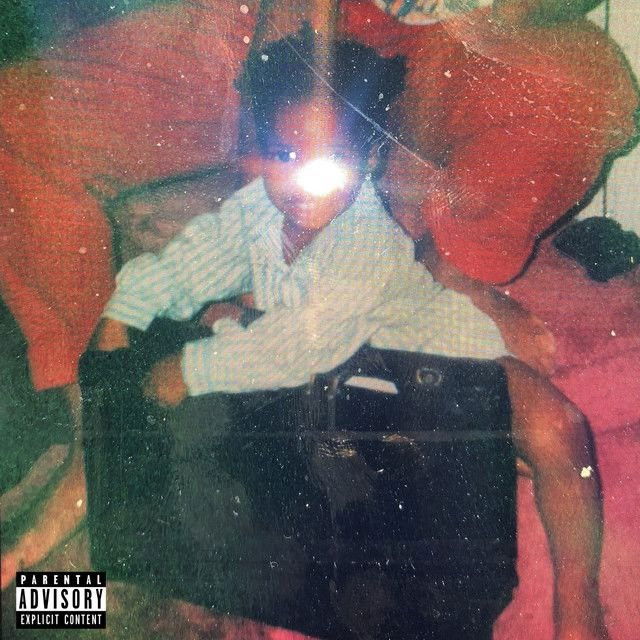
Money Over Fallouts by Tory Lanez
A defensive, deeply personal track that turns scandal into a statement about survival, loyalty, and image.
"Money Over Fallouts" - Tory Lanez
Provided by LyricFindIt's one of the crazier stories we've heard of, guys (I know)
As it's unfolding it's like
Fuck Tory Lanez, okay? Now, I'm from Houston, and he's from, broLoading...Loading lyrics...
Unable to load lyrics
We're unable to display the lyrics at this time. Please try again later.
Why the Song Hits So Hard
The meaning of Money Over Fallouts Tory Lanez starts with pressure. This is not a subtle song. It opens by dropping listeners into media noise, public judgment, and a cloud of accusation. From there, Tory Lanez frames the track as a response record: part denial, part vent session, part flex.
At its core, the song is about what happens when a public figure feels cornered. They claim they are being lied on, abandoned, and punished before the full story is settled. In response, they choose a cold motto: success first, feelings second.
That idea comes through most clearly in the hook, where they insist money over fall outs
. Paraphrased, they are saying broken ties and public drama matter less than staying financially strong and emotionally guarded.

Watch the official Money Over Fallouts
music video
A Voice Fighting the Crowd
The song’s speaker and target
The verses are written in first person, but the article’s lens stays in third person: they are speaking directly to critics, former allies, the media, and one specific woman at the center of the dispute. The result is a song full of shifting targets.
At one moment, they push back against headlines. At another, they sound hurt by private betrayal. When they say they rather see me in the cell
, the point is not just legal fear. It is the feeling that many people want a downfall more than they want truth.
Defense mixed with ego
A big part of the song’s energy comes from contrast. They do not only sound wounded; they also sound boastful. Claims about money, followers, women, and status appear right beside claims of emotional pain. That blend suggests a person using confidence as armor.
Interpretation: The bragging is not separate from the hurt. It may be the method they use to survive it.
The Story the Lyrics Tell
The narrative moves in a fairly clear line:
- Public commentary paints them as guilty.
- They reject that story and say they are being framed.
- They describe fallout in business, housing, friendships, and romance.
- They answer that fallout with wealth, motion, and pride.
One of the song’s sharpest sections deals with practical consequences. They mention losing money and even housing opportunities because people saw the case in the news. That matters because it shifts the song from image damage to real-life damage. They are not only talking about gossip; they are talking about access, safety, and reputation.
Later, the hook turns those losses into a code. When they say I would never fall out
over relationships, they are trying to sound above the mess. But the verses make clear they are not actually detached. They sound angry because the fallout still hurts.
The Hook Turns Pain Into Policy
The chorus is catchy, but its meaning is pretty bleak. On the surface, it sounds like a streetwise slogan. In practice, it feels like emotional self-protection.
Money over fall outs
that’s the code
This short refrain reframes the whole song. Instead of asking for sympathy, they present a rule: prioritize income, status, and movement over damaged bonds. It is a posture of control.
Interpretation: The hook may also be read as overcompensation. The more the song insists money can outrank betrayal, the more it reveals how much that betrayal still occupies them.
Motifs of Loyalty, Status, and Siege
Several images repeat across the track:
- Money: not just luxury, but protection.
- Teams and sides: a world split into allies and enemies.
- Public platforms: blogs, Twitter, streaming numbers, and fame.
- Height, style, cars: symbols of mocked identity turned into flexes.
When they say fans still know my heart
, they appeal to loyalty over evidence. That is important. The song often asks listeners to trust character and past connection rather than outside reporting.
Another recurring idea is siege. Everybody seems to be watching, judging, or waiting for failure. Even small details become part of that atmosphere. A bar like kill or be killed
is not literal in this context; it works as a mindset of paranoia and survival.
How the Sound Carries the Meaning
Musically, the track supports that tense worldview. The production is sparse and dark, built to keep attention on the bars rather than melody. There is little softness in the arrangement. The beat feels stern, almost like a stand under cross-examination.
That matters because Tory Lanez often moves easily between rap and melody. Here, they lean harder into direct rapping, which makes the song feel confrontational. Their flow is dense and restless, with long runs of lines that sound like someone trying to get everything out before being cut off.
The opening spoken clips also shape the meaning. They act like a wall of outside voices, setting up the feeling that the artist is responding not to one person but to an entire media cycle.
Artist Context and Public Reception
The song arrived during a period when Tory Lanez faced intense public scrutiny after the 2020 shooting case involving Megan Thee Stallion, a matter widely covered by outlets such as The New York Times and BBC News. The title and content make that context impossible to ignore.
Factually, the song is written from Tory Lanez’s perspective, and the user-provided credits list Daystar Peterson as the writer. Beyond that, listeners should be careful not to confuse lyrical claims with verified fact. Songs can function as testimony, performance, image repair, or all three at once.
Reception reflected that divide. Some heard the track as a raw defense. Others heard it as a strategic attempt to reclaim narrative power.
Final Take on the Meaning
The meaning of Money Over Fallouts Tory Lanez is less about celebration than self-preservation. They present money, work, and pride as shields against scandal, betrayal, and public shame. The song’s real tension is that they claim detachment while sounding deeply affected.
In the end, that contradiction is what gives the record its charge. It is a song about choosing survival over reconciliation, even when the wounds are still open.
Disclaimer: This article offers interpretation of the song’s themes and perspective. It does not treat lyrical claims as proven fact.







