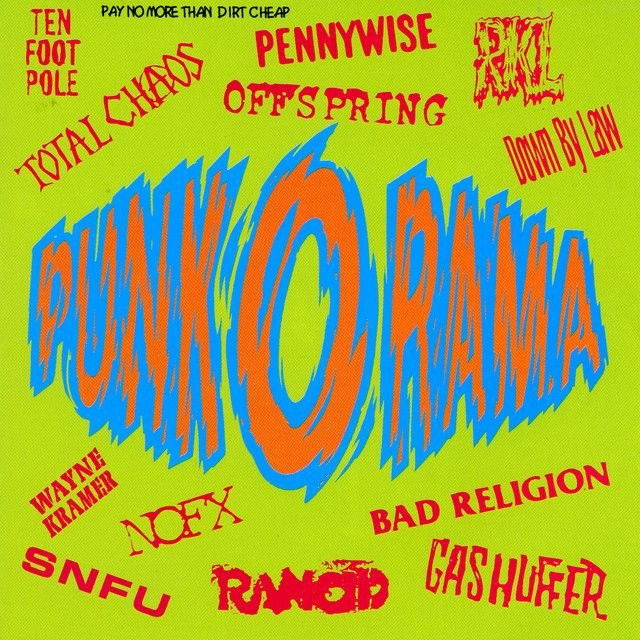
Why Total Chaos Turned the World Into “Riot City”
The meaning of Riot City Total Chaos comes through fast and hard: this is a punk song about unrest as a global condition. Rather than telling one detailed story, they stack blunt images and place names to argue that riots do not appear from nowhere. In their view, racism, state force, and social anger keep producing the same explosion.
"Riot City" - Total Chaos
From racism to people's gain
Bloody riot to fiery hells
Loading lyrics...
Unable to load lyrics
We're unable to display the lyrics at this time. Please try again later.
That makes the song less about one street fight and more about a pattern. It treats disorder as a symptom of deeper injustice, not a random accident.
A Punk Warning, Not a News Report
At its core, “Riot City” says that violence in the streets is tied to violence in society. The opening idea frames riots as something that break out again and again. When the lyric points to racism
and public gain, it suggests that power and inequality are part of the cycle.
Interpretation: They are not praising destruction for its own sake. They seem to be saying that corrupt systems and social hatred create the conditions where revolt becomes predictable. The repeated phrase riot city
turns a headline into a symbol.
This is a classic punk move. Hardcore and street punk often reduce politics to sharp slogans so the feeling lands immediately. The song’s directness is part of its meaning.

Watch the official Riot City
music video
From L.A. to Everywhere
One of the smartest things in the lyric is how quickly it moves from one location to many. It names L.A.
first, then expands to the U.S., U.K., Africa, China, Russia, Israel, and Germany. That list matters because it stops the song from being read as only local.
Instead, they build a map of unrest. The point is not that every country is identical. The point is that conflict between citizens and systems of power crosses borders.
Why the Place Names Matter
By piling up locations, the song suggests three things:
- Riot is international.
- Oppression and anger are not unique to one nation.
- Modern politics can make any city unstable.
Interpretation: The song turns geography into evidence. Every new place name strengthens the claim that “riot city” is not one city at all. It is a condition of the modern world.
The Chorus as a Demand to Speak Up
The hook is simple, but it does heavy lifting. When they shout let's riot
and then insist people should not stay silent, the song changes from description to command. It no longer just observes unrest. It calls for resistance.
That said, the exact target matters. The lyric points against the police
and the CIA, naming institutions associated with force and surveillance. In punk language, that kind of line usually signals anti-authoritarian anger more than a detailed policy argument.
Stand up and don't be quiet
It's a total fucking riot
Paraphrased, the message is: silence helps power, while noise and confrontation make injustice visible. Whether listeners hear that as literal rebellion or symbolic defiance will depend on their own perspective.
Sound That Feels Like Street Pressure
The meaning of Riot City Total Chaos is also carried by the music. Total Chaos are known within U.S. street punk for aggressive tempos, gang-style chants, and a raw attack associated with hardcore punk scenes. That style places them in a long tradition shaped by British and American punk networks, including labels like Riot City Records, a Bristol punk/hardcore label active from 1980 to 1988 that released dozens of records and sold over 200,000 copies.
That historical link matters even if the song is not about the label itself. The phrase “riot city” already belongs to punk’s language of disorder, confrontation, and anti-establishment identity.
How the Production Supports the Message
The track’s likely impact comes from familiar punk tools:
- fast, pounding rhythm
- shouted group vocals
- repetitive chorus lines
- rough-edged guitar tone
Those choices make the song feel public rather than private. It does not sound like one person thinking alone. It sounds like a crowd pushing back.
Politics in Broad Strokes
The writing is not subtle, and that is the point. Songwriters Robert M. Clawson and Ron Yett use short, forceful lines instead of layered storytelling. That gives the song an almost chant-like structure.
Because the language is broad, listeners should be careful not to over-claim specific intent. There is no detailed account of one riot, one policy, or one government action. Factually, the song names social causes and state institutions. Interpretation: emotionally, it frames riot as both reaction and warning.
This matters for understanding the song fairly. It is protest art, not journalism. Its goal is to compress outrage into a few unforgettable slogans.
Why It Still Hits
Part of why the song remains effective is its simplicity. Many political songs age badly when they depend on one news cycle. “Riot City” avoids that trap by aiming at permanent tensions: racism, repression, and public fury.
For U.S. listeners especially, the mention of L.A. gives the song an immediate flash of urban conflict, but the wider list of countries keeps the message from becoming too narrow. They are saying unrest belongs to the whole world.
In the end, the meaning of Riot City Total Chaos is less “riots are good” than “riots keep happening because the conditions that cause them keep returning.” The song’s power comes from how plainly it connects anger in the street to failures in the system.
Final Take on Total Chaos’s Message
“Riot City” works as a protest chant about global instability, institutional mistrust, and the refusal to stay silent. Its lyrics are spare, but the themes are large: racism, power, resistance, and collective anger.
That is why the song still feels urgent. It hears riot not as an exception, but as a warning sign society keeps ignoring.
Disclaimer: This article offers an interpretation based on the released lyrics and punk context. As with most songs, listeners may reasonably hear different meanings in the same lines.







