
Why Tracy Chapman’s Ultimatum Still Hits
The meaning of Give Me One Reason Tracy Chapman starts with a simple idea: someone is tired of carrying a relationship alone. Tracy Chapman’s 1995 hit is often remembered for its catchy blues groove, but the words tell a sharper story. This is not a helpless plea. It is a final test.
"Give Me One Reason" - Tracy Chapman
And I'll turn right back around
Give me one reason to stay here
Loading lyrics...
Unable to load lyrics
We're unable to display the lyrics at this time. Please try again later.
Released on New Beginning, the song became Chapman’s biggest U.S. hit, reaching No. 3 on the Billboard Hot 100 and later winning the Grammy for Best Rock Song. Those facts matter because they show how widely this message landed: frustration, dignity, and the need for mutual effort can feel universal.
A Breakup Warning Disguised as a Plea
On the surface, the chorus sounds like begging. The speaker asks for one reason to stay here
. But the line works more like a boundary than a surrender. They are already halfway out the door, emotionally and maybe literally.
That is why the repeated promise to turn right back around
matters. The speaker is saying they are willing to stay, but only if the other person gives them something real to hold onto. Love by itself is no longer enough if it does not come with action.
Interpretation: The song is about the last moment before a breakup, when one person still leaves a narrow opening for repair. The power in the song comes from how small that opening is.
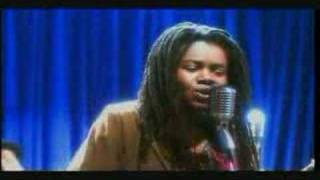
Watch the official Give Me One Reason
music video
Who Is Speaking, and What Do They Want?
The narrator speaks in the first person, but the song’s emotional logic is clear enough that many listeners hear their own story in it. They have reached a point where phone calls, promises, and familiarity are not solving the deeper problem.
When the song mentions having each other’s numbers, it suggests access without real connection. They can reach each other, but they are not truly showing up. The complaint is not distance in miles. It is distance in effort.
The speaker also makes their need plain. They do not want pressure or control. They want care, steadiness, and comfort. That contrast is the emotional center of the song: they reject a draining kind of love and ask for a gentler one.
The Verses Build a Case Against Staying
Each verse adds another reason the relationship is failing. First comes poor reciprocity. The speaker has called too often and gotten too little back. Then comes emotional strain. They do not want to be squeezed or diminished by someone else’s demands.
Later, Chapman adds one of the song’s most revealing ideas with this youthful heart
. The speaker still has love to give. They are not closed off, bitter, or unable to care. But they also know their limits.
That is where the line about being too old to go chasing
lands so well. It is not really about age. It is about maturity. They have learned that love should not require endless pursuit, especially when the other person gives no clear sign of commitment.
Why the Chorus Feels So Strong
The hook is memorable because it keeps the emotional terms simple. There is no long speech, no list of demands, no dramatic revenge. Just one request. That small request makes the other person’s failure feel even bigger.
Give me one reason to stay here
And I’ll turn right back around
This brief refrain frames the whole song. The speaker is not asking for perfection. They are asking for proof. If even one convincing reason is missing, the relationship cannot keep going.
The Blues-Rock Sound Carries the Message
Part of the meaning of Give Me One Reason Tracy Chapman comes from its sound. The track blends Chapman’s singer-songwriter style with a blues-rock groove, a mix noted by critics at the time. Music Week called it a strong blend of folk style, R&B qualities, and her distinctive voice, while Pitchfork later described its plucked guitar line and growing frustration.
That production matters. The guitar riff has a steady, head-nodding feel that gives the song confidence. It does not rush or panic. Instead, it sounds grounded, like someone who has thought this through.
Chapman’s vocal does even more. Their voice sounds grainy, controlled, and emotionally alert. They do not oversing the pain. That restraint makes the ultimatum feel believable. By the time the band fills out the chorus, the feeling is not collapse. It is clarity.
The song was written by Chapman and produced by Chapman with Don Gehman. It had a long life before release too: Chapman reportedly performed it live years earlier, including on Saturday Night Live in 1989, before it appeared on New Beginning in 1995. That long runway may help explain why it sounds so lived-in and sure of itself.
More Than Romance: A Song About Self-Respect
A second reading opens the song up beyond romance. The speaker is asking for mutual respect, not just affection. They want to be held, not controlled; valued, not drained.
Interpretation: In that sense, the song becomes an anthem of self-worth. It speaks to anyone who has stayed too long in a one-sided bond—romantic or otherwise—and finally decided that care must be returned, not merely requested.
That may be one reason the song crossed so widely into pop, adult contemporary, and rock radio. Its details are personal, but its emotional math is common.
Why the Song Still Connects
More than 25 years later, the song still works because it captures a familiar turning point. Many songs about troubled love focus on longing. This one focuses on standards.
Chapman leaves room for tenderness—they do not want to leave the other person lonely—but they refuse to confuse tenderness with obligation. That balance is what makes the song feel adult. It believes in love, but it believes in self-respect too.
Disclaimer: This article offers an interpretation of the song based on its lyrics, performance, and documented context. As with any work of art, listeners may hear different meanings in it.









