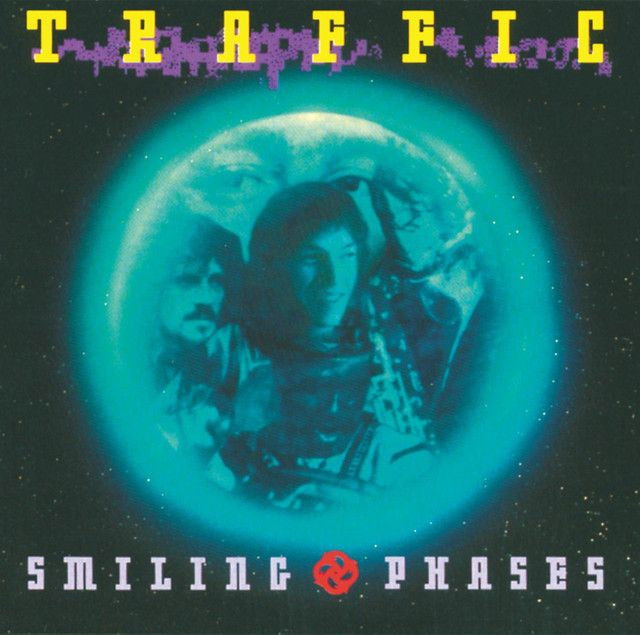
Why "Medicated Goo" Feels Looser Than It Means
Traffic’s “Medicated Goo” sounds playful on first listen. It skips along with a rootsy groove, oddball characters, and a chorus that sells a cure-all. But the meaning of Medicated Goo Traffic is a little more slippery than that. The song lives in the space between joke, blues pastiche, and late-1960s counterculture language.
"Medicated Goo" - Traffic
Your body's kinda weak can you think of
Something we can do?
Loading lyrics...
Unable to load lyrics
We're unable to display the lyrics at this time. Please try again later.
What makes it interesting is that Traffic themselves suggested the words were not meant to carry a heavy message. In a 1969 Rolling Stone interview, Chris Wood said that with some songs they cared more about the sound of the words than strict meaning, adding that on “Medicated Goo,” “the words are quite light” but rhythmically strong. That comment matters because it helps explain why the song feels vivid and memorable even when its story is half-cartoon, half-riddle.
The Core Idea Hiding in Plain Sight
At its simplest, the song presents a speaker offering a homemade remedy to people who seem weak, lost, or out of sorts. The sales pitch is catchy and funny, centered on medicated goo
and a promise that it’s good for you
. On the surface, that sounds like nonsense humor.
Interpretation: beneath the joke, the song can be heard as a playful portrait of 1960s faith in quick fixes. That could mean medicine, drugs, folk cures, or even spiritual answers sold as easy solutions. The tune never pins the “goo” down. That vagueness is the point. It lets the song mock miracle cures while still enjoying the fantasy of one.
The opening verse introduces someone in trouble and asks what can be done. Then another character appears with a stew that can remake her. That exaggeration gives the song a tall-tale quality. Nobody is really discussing treatment in a literal, clinical way. They are acting out a scene where transformation is sold with a grin.
Watch the official Medicated Goo
music video
A Song of Characters, Not Confessions
Unlike many rock songs built around heartbreak or self-revelation, “Medicated Goo” works through caricature. The names sound comic-book bright, and that matters. Traffic are not asking listeners to believe every event. They are building a little roadside medicine show.
One of the song’s smartest details is how it moves from one strange figure to another. A woman feels run-down. Another person has the answer. Then a man takes some and drifts into surreal imagery, pickin green flowers
in a field of snow
. That image tips the song toward altered perception.
Interpretation: this is where many listeners hear a drug reference. The phrase about green flowers in snow sounds hallucinatory, as if the cure changes more than the body. Still, because the band leaned into sound and rhythm over fixed meaning, it is safer to say the song plays with psychedelic suggestion rather than delivering a single clear statement about drugs.
Why the Chorus Sells the Whole Joke
The chorus is written like an old-time advertisement. It invites the listener to follow the singer and trust the house recipe. The line my own home recipe
makes the promise feel personal, homemade, and a little suspicious.
That is the tension at the center of the song. The voice sounds warm and convincing, but the product is never explained. Is it medicine? A drug? A folk potion? A metaphor for music itself? The hook works because it never decides.
So follow me, it's good for you
That good ole fashion medicated goo
Those lines are catchy enough to feel sincere and exaggerated enough to feel satirical. The song keeps both tones alive at once.
The Sound Explains the Meaning Better Than the Plot
To understand the meaning of Medicated Goo Traffic, listeners also have to hear how the band sells it musically. Traffic came out of the British rock scene but blended rock, blues, folk, and jazz textures in a way that made them stand apart. Steve Winwood’s voice brings gospel grit and easy authority, which is perfect for a song about a supposed cure.
The arrangement has a relaxed swing rather than a hard-rock attack. That looseness makes the song feel communal, almost like a back-porch performance. The groove says, “Come along with this,” even if the lyrics hint that following along may be foolish. In that sense, the music performs the seduction that the words describe.
This fits what the band discussed in Rolling Stone: that older moods and familiar musical forms can feel new because of sound, feel, and performance. “Medicated Goo” borrows from blues humor and folk storytelling, but Traffic make it sound unmistakably late-60s through tone, timing, and studio feel.
Late-60s Context Matters
The song arrived when rock music was full of coded language, herbal imagery, and playful distance from straight realism. Audiences in the United States often heard songs like this through the lens of the psychedelic era, where medicine, poison, pleasure, and enlightenment could blur together.
That does not mean every odd image must be decoded into one literal drug reference. In fact, the song works better when they resist over-reading it. Traffic’s own comments suggest a lighter touch. They cared about phrase, rhythm, and atmosphere, not just message.
Interpretation: because of that, “Medicated Goo” may be less a statement than a mood-piece about temptation, relief, and gullibility. It laughs at the idea that life’s problems can be solved by one magic substance, while also enjoying how appealing that idea is.
What the Song Finally Says
In the end, “Medicated Goo” is about the sale of transformation. It shows people feeling weak or strange, then introduces a cure that sounds cheerful, homemade, and maybe dubious. The humor keeps the song light, but the imagery hints at altered states and the human wish for easy relief.
That is why the meaning of Medicated Goo Traffic still holds up. It is not a puzzle with one answer. It is a playful performance about how easily people are drawn to promises of feeling better, freer, newer, or more alive.
Disclaimer: This interpretation separates documented band comments from critical reading. Because the lyrics are playful and intentionally loose, some meanings remain open to debate.








