50 Ways to Say Goodbye by Train
A breakup song wearing a joke mask
The meaning of 50 Ways to Say Goodbye Train comes down to one clear idea: this is a breakup song about denial, pride, and emotional immaturity, dressed up as a comedy. Instead of telling friends that he got dumped, the narrator invents ridiculous stories about what happened to his ex.
"50 Ways to Say Goodbye" - Train
My head was oversized
I'll take the high road like I should
Loading lyrics...
Unable to load lyrics
We're unable to display the lyrics at this time. Please try again later.
That joke is the engine of the song, but the hurt underneath is real. Early lines like my heart is paralyzed
and my pride still feels the sting
show that they are not hearing a carefree singer. They are hearing someone who feels rejected and cannot say it plainly.
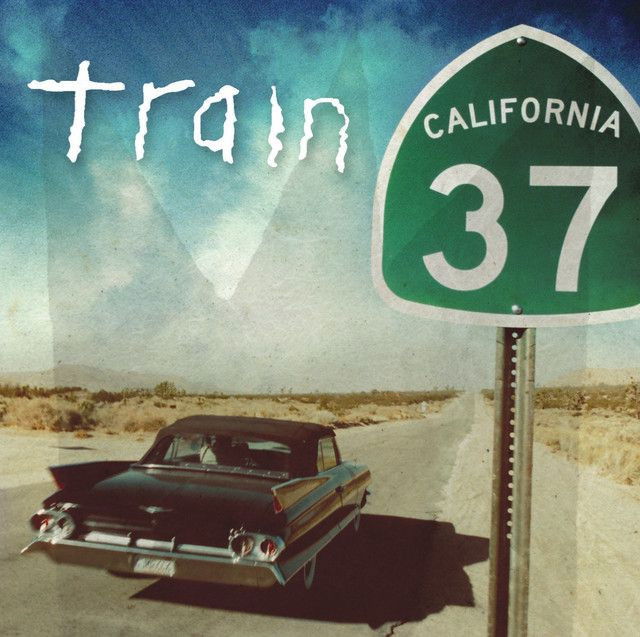
Train released the song as the second single from California 37 in 2012. According to the song's documented background, it became Train's most recent Top 40 hit on the Billboard Hot 100, reaching No. 20, which helps explain why so many listeners still remember its chorus and brass hook.

Watch the official 50 Ways to Say Goodbye
music video
The real story behind the wild excuses
On the surface, the song is a list of absurd fake deaths. The singer claims the woman disappeared in one bizarre accident after another. But those lines are not really about death. They are about shame.
Instead of admitting, “She left me,” he chooses fantasy over honesty. The repeated cry I'm no good at goodbyes
gives away the truth. He is not just bad at ending relationships. He is bad at facing what the ending says about him.
What the verses reveal
The verses make the emotional context surprisingly clear. The ex has already used the classic breakup language, including it's not you, it's me
. He tries to act cool, but the details suggest he is deeply rattled.
Even the joke about being not super minivan
matters. It shows insecurity. He worries he looked ordinary, domestic, or unglamorous next to the person he wanted to impress.
Why the chorus is funny and sad at once
The chorus works because it turns avoidance into spectacle. Every excuse gets bigger and more absurd, which makes the song funny on first listen. But the chorus keeps returning to emotional failure.
Help me, help me, I'm all out of lies And ways to say goodbye
That short moment is the center of the song. After all the comedy, they hear the narrator admit that lying is exhausting. Interpretation: the song suggests that denial can feel easier than grief at first, but only for a moment. Eventually, the performance collapses.
Sound that sells the punchline
Part of the song's appeal is how cleverly the production supports the meaning. The track mixes pop rock guitars with a mariachi-influenced brass section, a detail widely noted in coverage of the single and its composition on Wikipedia. That brass gives each fake tragedy an exaggerated, cinematic flair.
The tempo is fast, around 140 BPM, so the song never sits still long enough to become gloomy. Instead, it rushes forward with a grin. That matters because the narrator is also rushing forward, trying not to dwell on the breakup.
Pat Monahan's vocal performance helps too. He sings with bounce and comic timing, but there is still strain in the delivery. The result is a familiar pop trick: make pain catchy enough to sing along to.
Artist context sharpens the meaning
Train had already scored major radio hits before this song, and listeners often expected a polished, approachable style from them. “50 Ways to Say Goodbye” fits that profile, but it also adds a meaner, more sarcastic edge than some of the band's softer singles.
Monahan explained the premise in a brief comment reported by BuzzFeed: it was basically a gag about a boy being so immature after a breakup that he tells friends the girl is dead. That quote is useful because it confirms the song is intentionally childish in its storytelling. The immaturity is not accidental; it is the point.
There is also a playful nod to Paul Simon's “50 Ways to Leave Your Lover.” Train flips that older title idea. Simon's song is about leaving; Train's is about the person left behind, scrambling to save face.
Themes hiding beneath the humor
The song's big themes are easy to miss because it moves so fast. They include:
- denial after rejection
- wounded ego
- the stories people tell to protect themselves
- the gap between public pride and private pain
Interpretation: the fake disasters are not random. They are emotional smoke bombs. Each one lets the narrator avoid the simpler truth that hurts more.
That is why the song stays relatable. Most listeners have not invented cartoon tragedies for an ex, but many have tried to act less hurt than they really were.
Final takeaway on the meaning of 50 Ways to Say Goodbye Train
The meaning of 50 Ways to Say Goodbye Train is not that love feels deadly. It is that embarrassment after a breakup can make people ridiculous. Train turns that weak, human impulse into a bright pop-rock single full of brass, speed, and punchlines.
What lasts is the contrast: the song sounds fun, but the narrator is falling apart. They laugh first, then notice the bruised ego under the joke. That balance is why the track still works.
Disclaimer: This article offers a good-faith interpretation based on the lyrics, credited song background, and public artist comments. Meaning in music can stay open to more than one reading.









