Why “Outlaws & Outsiders” Hits So Hard
The meaning of Outlaws & Outsiders Cory Marks, Travis Tritt, Ivan Moody, Mick Mars starts with a simple but powerful idea: being different does not have to be a weakness. In this song, they frame the outsider as strong, honest, and impossible to tame.
"Outlaws & Outsiders" - Cory Marks, Travis Tritt, Ivan Moody, Mick Mars
And I'm always on the run
With a fire inside, I ain't ever gonna die
Loading lyrics...
Unable to load lyrics
We're unable to display the lyrics at this time. Please try again later.
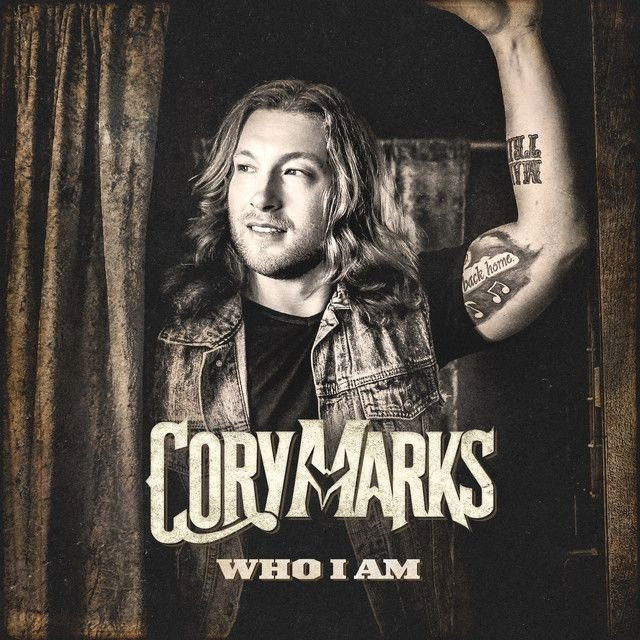
Released in 2019 as the lead single from Who I Am, the track brought together Cory Marks with Travis Tritt, Ivan Moody, and Mick Mars. That lineup mattered because the song was built as a country-rock collision from the start, not a gimmick. It was released through Better Noise Music and later pushed to both country and rock radio, which fits its whole message about refusing to stay in one lane (Wikipedia).
The Core Message Behind the Noise
At heart, the song is about people who live outside the expected rules. The narrator describes someone with a restless spirit, a taste for danger, and no interest in becoming easier to control. Short lines like gypsy soul
and rebel and rogue
sketch a person who sees freedom as part of their identity.
But this is not just bragging. The song keeps returning to social judgment. When the narrator says others call them a renegade or enemy, the point is that outsiders are often named by critics before they can name themselves. The chorus flips that pressure into solidarity. Instead of shame, there is a rallying cry: people who feel rejected should stand together.

Watch the official Outlaws & Outsiders
music video
From Personal Story to Group Anthem
One reason the song connects is that it moves from “I” to “we.” The verses feel personal and rough-edged, almost like a life story in shorthand. The chorus then widens the frame and turns private survival into a public anthem.
That shift matters. The narrator is not only saying they are tough. They are saying there is a whole tribe of people who feel pushed aside by polite society, radio formats, or narrow expectations. In that sense, the hook outlaws and outsiders
is less about crime than identity.
Interpretation: the song argues that labels can be reclaimed. If mainstream spaces treat someone like an outlier, they can wear that status proudly instead of apologizing for it.
How the Verses Build the Character
The first verse introduces someone always in motion, with imagery of fire, fuel, and weapons. Those images are exaggerated on purpose. They make the narrator feel larger than life, like a movie antihero.
Still, the emotional point is simpler than the imagery. They believe their energy cannot be put out. Even if life burns around them, the inner spark keeps going. That is why the fire metaphor matters so much: it stands for survival, willpower, and self-belief.
The second verse adds history. The narrator says they were wild from the beginning and never really grew into a safer version of themselves. When the song suggests it takes too much time
to walk the straight path, it rejects the idea that maturity must mean conformity.
The Chorus as a Declaration of Belonging
The chorus is where the song becomes communal. It invites listeners to raise hands, fists, or lighters and identify themselves. That kind of language makes the track feel built for a live crowd, but it also carries meaning.
The key emotional move is this: the outsider is no longer isolated. The song turns alienation into community. A phrase like living life at the edge
sounds dangerous, but in context it also means refusing to live half-heartedly.
Some call me a renegade, the enemy
Throw your hands up if you feel the same
Those lines capture the whole song in miniature. First comes judgment from the outside world. Then comes recognition from others who share that feeling.
Why the Collaboration Deepens the Meaning
The guest list is not random. Travis Tritt represents outlaw-friendly Southern country, Ivan Moody brings modern metal aggression, and Mick Mars adds hard-rock history. Together, they embody the song’s refusal to respect genre fences.
That is important to the meaning of Outlaws & Outsiders Cory Marks, Travis Tritt, Ivan Moody, Mick Mars. Marks described the song as being for anyone who has ever felt different or like an outsider, saying that being an outlaw can mean creating something unique and doing their own thing (quoted in Ultimate Classic Rock). The casting proves the point in sound.
This crossover also worked commercially. The song charted on rock and country digital rankings and later reached the U.S. Mainstream Rock top 10, while earning major streaming numbers and a Platinum certification in Canada (Wikipedia). Its success suggests listeners understood the song’s hybrid identity rather than resisting it.
How the Sound Carries the Lyrics
Production plays a huge role here. Kevin Churko, who co-wrote and produced the track, is known for heavy, polished rock records, and that shows in the thick guitars and punchy drums. At the same time, the song keeps a Southern swagger that stops it from feeling like straight metal.
That blend mirrors the lyrics. The guitar tone gives the narrator force, while the chant-like chorus turns the message into something collective. It sounds like a barroom singalong and an arena-rock anthem at once.
Interpretation: the production says the same thing as the words. The song does not want permission to exist between genres; it simply does.
Final Take on Its Lasting Appeal
What makes the song work is its clarity. It does not hide behind abstract poetry. It says outsiders have value, stubborn people can survive, and difference can become brotherhood.
That is why the track still lands. It gives listeners a simple, loud way to hear their own frustration turned into pride.
Disclaimer: This article offers an interpretation of the song based on the lyrics, recording context, and public comments. Meanings can vary from listener to listener.









