Why Travis Tritt’s Sharpest Breakup Song Hits
The meaning of Here's a Quarter (Call Someone Who Cares) Travis Tritt is simple on the surface and richer underneath: it is a breakup song about refusing to reopen a door that has already been slammed shut. Instead of pleading, the narrator answers an ex with sarcasm, pride, and a very clear boundary.
"Here's a Quarter (Call Someone Who Cares)" - Travis Tritt
And now you're sorry, you're lonesome and scared
And you say you'd be happy if you could just come back home
Loading lyrics...
Unable to load lyrics
We're unable to display the lyrics at this time. Please try again later.
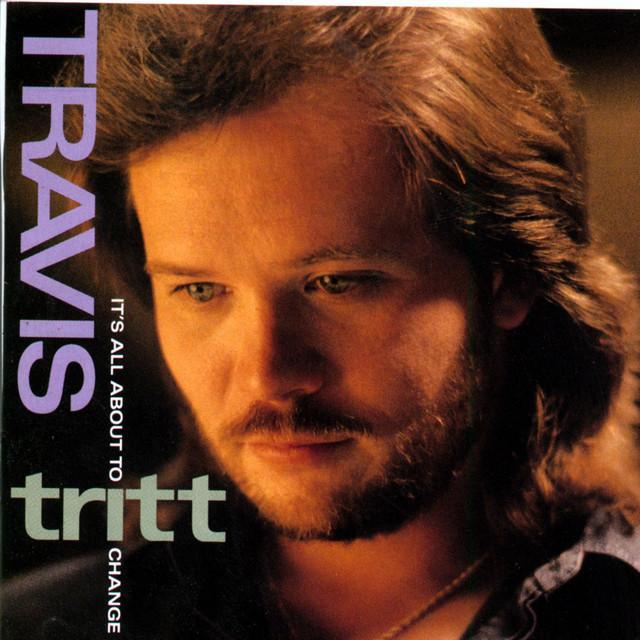
Released on May 7, 1991, as the lead single from It’s All About to Change, the song was written by Travis Tritt and produced by Gregg Brown. It reached No. 2 on the U.S. country chart and No. 2 in Canada, helping become one of Tritt’s signature hits. Those release facts and chart peaks are widely documented in reference sources and song histories.
The Core Message Hiding in the Joke
What makes the song memorable is its title line. The image of handing someone a coin for a pay phone sounds funny, but the feeling behind it is not playful. The narrator is telling a former partner: they may be sorry now, but they do not get to come back just because they feel lonely.
That is why the hook lands so hard. When the singer says call someone who cares
, he is not just being rude for effect. He is saying his sympathy has been used up. The relationship has already crossed a line, and apology alone cannot fix it.
Watch the official Here's a Quarter (Call Someone Who Cares)
music video
A Story of Regret Met by Finality
The verses sketch a small but clear drama. The ex comes back admitting regret, saying she is scared and wants home again. The narrator answers with emotional distance. He once believed the relationship was solid, but her leaving changed everything.
A key line in the song’s logic is the idea that what happened can’t be undone
. That phrase matters because it shifts the song from anger to consequence. This is not only revenge. It is a statement that some choices carry permanent damage.
Who Is Speaking to Whom?
The song uses a first-person narrator speaking directly to an ex-lover. That direct address gives the track its punch. There is no middleman, no self-pitying diary tone, and no vague sadness. It sounds like someone delivering a final answer face to face.
When the narrator refers to your lies
and sorted affairs
, he frames the breakup as a trust issue, not a simple misunderstanding. Even with the song’s humor, the emotional center is betrayal.
Why the Song Feels So Real
Part of the force comes from real-life context. According to American Songwriter, Tritt said he wrote the song the night he received divorce papers after a call from his ex. He also said the song came together in about 15 minutes and helped turn his anger into something almost comic.
That background does not mean every lyric is literal. Still, it explains why the song sounds lived-in rather than invented. Interpretation: listeners hear not just cleverness, but relief. The singer is protecting himself with wit.
The Quarter as a Symbol of Distance
In 1991, the title image was instantly understood. A quarter was what many people used for a pay-phone call, so the phrase meant: here is enough money to seek comfort elsewhere. Today, the line can sound nostalgic, but the emotional idea still works.
The quarter is also a tiny object with a big purpose. Interpretation: that contrast matters. He offers almost nothing materially, yet he gives a complete emotional answer. The coin becomes a symbol of minimal obligation and maximum dismissal.
here’s a quarter
call someone who cares
In plain terms, the chorus says he will not return to the old cycle. That is the heart of the song.
How the Sound Sells the Meaning
Tritt’s recording style helps the message hit harder. The track blends country roots with a rock edge, fitting his early-1990s place in Nashville as an artist who could honor tradition while still sounding muscular and modern. The credited players on the recording include acoustic and electric guitars, steel guitar, fiddle, piano, Hammond B-3, harmonica, bass, drums, percussion, and background vocals.
That mix matters. The steel guitar and fiddle keep the song grounded in country, but the electric guitars and brisk attack give the chorus a defiant snap. It does not sound crushed. It sounds upright and ready for the last word.
Vocal Delivery and Attitude
Tritt sings the lines with bite, but not with total chaos. He sounds wounded, yes, yet controlled. That control is important because it tells the listener the breakup pain has moved into resolve.
Interpretation: if he sounded softer, the song might feel like hidden longing. Because he sounds firm, it feels like emotional closure.
Why It Became a Career Song
Tritt later called it his “career song,” and American Songwriter reported that he played it live long before recording it, even though some Nashville executives reportedly dismissed it as a novelty song. Audiences proved otherwise. The song’s humor made it easy to remember, but its honesty made it last.
It also captures a universal moment in breakup life: the point where sadness becomes self-respect. Many songs ask for another chance. This one refuses one.
The Lasting Meaning
So, the meaning of Here's a Quarter (Call Someone Who Cares) Travis Tritt is not just that an ex gets rejected. It is that regret does not erase damage, and a sharp joke can carry real hurt. The song turns heartbreak into a line of defense.
That is why it still works. Beneath the pay-phone image and crowd-pleasing chorus, it is about boundaries, dignity, and the moment someone decides they are done being available.
Disclaimer: This article offers a good-faith interpretation based on the released song, documented background, and public sources. Meaning can vary from listener to listener.








