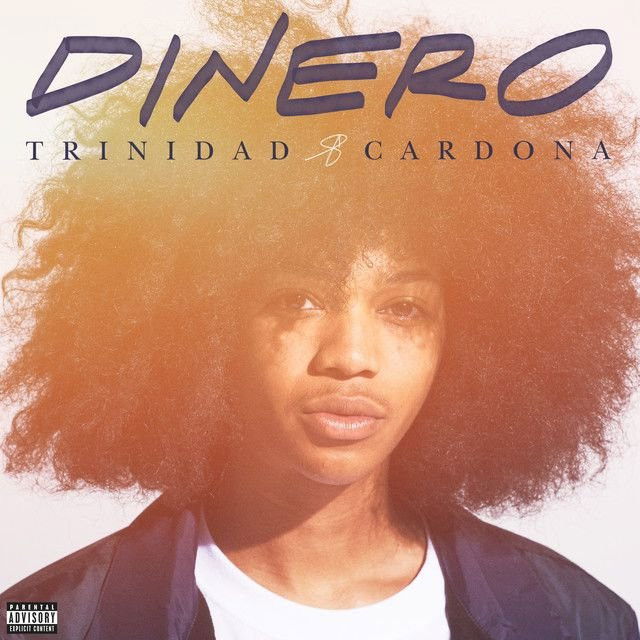
Dinero by Trinidad Cardona
The meaning of Dinero Trinidad Cardona comes down to a simple but relatable tension: desire can feel exciting in the moment, but expensive emotionally and financially after the rush fades. The song turns that idea into a slick, bilingual pop track that sounds playful even when its narrator is clearly hurting.
"Dinero" - Trinidad Cardona
No soy traficante
Pero escucho corridos que juega tomando Tecate
Loading lyrics...
Unable to load lyrics
We're unable to display the lyrics at this time. Please try again later.
A catchy song about getting played
On the surface, “Dinero” is built around a very direct complaint. The narrator says she take my dinero
, which is less a detailed accusation than a blunt summary of the whole relationship. They keep spending, keep chasing, and keep hoping affection will follow.
That is why the song works so fast. Listeners do not need a complex plot to understand it. Someone gave too much, ignored the warning signs, and ended up broke and alone.
Interpretation: The song is not only about literal cash. Money stands in for energy, pride, and self-worth. When the narrator says they are ready to buy anything she wants, the deeper point is that they are overinvesting in someone who is not giving the same care back.

Watch the official Dinero
music video
How the verses build the story
The verses fill in the emotional timeline behind the hook. Early on, the narrator acts confident and generous, eager to spend anything that she like
. That detail matters because it shows the problem is not theft in a simple sense. They are participating. They are trying to win love through giving.
Then the mood shifts. The morning-after section is the song’s emotional center, where pleasure turns into embarrassment. The narrator wakes up, realizes the other person is gone, and sees what is left behind: less money, the same clothes, and a damaged ego.
A few short phrases carry that turn especially well: my heart is broken
and my money's stolen
. Put together, they show why the track lands as more than a joke. The loss is romantic and material at the same time.
The chorus is simple because the message is simple
The repeated line playing for pesos
sharpens the song’s point. The person he desires seems to treat romance like a game tied to spending. The repetition mimics obsession. He cannot stop replaying what happened, so the hook keeps circling the same complaint.
That loop is a big part of the record’s appeal. It feels conversational, almost like someone retelling a bad decision to friends, half-laughing and half-wincing.
Bilingual details give the song its character
One of the most memorable things about “Dinero” is its code-switching. Cardona moves between English and Spanish in a way that feels natural rather than decorative. Phrases like no tengo
and references to corridos, Tecate, and pesos create a specific cultural texture.
Those details do two things at once:
- They make the narrator sound vivid and real.
- They keep the song light on its feet, even as the story gets more painful.
This matters in understanding the meaning of Dinero Trinidad Cardona. The song is about heartbreak, but it refuses to sound heavy-handed. Its bilingual style helps preserve humor, rhythm, and charisma.
The sound hides the bruise
Production is a huge reason the song took off. The beat is bright, minimal, and bouncy, with a clean groove that makes the complaint sound almost celebratory. That contrast is the trick.
Instead of matching the sadness with a slow ballad arrangement, the song wraps disappointment inside something danceable. That makes the narrator seem caught in a cycle: even while admitting the relationship was bad for them, they still sound drawn to it.
Interpretation: The upbeat production suggests denial as much as confidence. The narrator may be laughing off the pain because fully facing it would hurt more.
Cardona’s vocal delivery supports that reading. He moves between smooth melody and a casual, talk-like phrasing that makes the story feel immediate. He does not over-sing the heartbreak. That restraint keeps the tone friendly and replayable.
Artist context matters here
Trinidad Cardona is known for melodic, emotionally direct songs, and “Dinero” fits that lane while leaning harder into bilingual pop. Songwriting credits provided here list Trinidad Cardona, Emile Dernst, and Darnell Brooks William, which suggests a collaborative pop-writing process shaped for strong hooks and easy recall.
Even without a long narrative, the song shows a clear strength Cardona often brings: making vulnerability sound accessible. He does not frame the narrator as purely a victim or purely a fool. Instead, the song leaves room for both confidence and self-inflicted trouble.
That balance likely helped its reception. People hear the song as funny, catchy, and a little sad all at once. It is easy to sing along to, but the story underneath is uncomfortable enough to stick.
More than a money song
There is an easy reading of “Dinero” as just a track about someone being used for cash. That reading is fair, but it is incomplete.
Interpretation: A stronger reading is that the song is about what people spend when they want validation. Money is the visible symbol, but the real cost is dignity. The narrator keeps trying to buy closeness, and every purchase seems to widen the emotional distance.
That is why the ending does not feel resolved. Even after recognizing what happened, the narrator still sounds tempted to keep giving. The pattern is the point.
Why “Dinero” still sticks
“Dinero” lasts because it turns a common mistake into a memorable pop confession. It is funny enough to feel light, specific enough to feel personal, and sad enough to feel true.
For listeners searching for the meaning of Dinero Trinidad Cardona, the song is best understood as a story about lust, imbalance, and the price of confusing generosity with love. It is not just about losing money. It is about realizing too late that affection cannot be purchased.
Disclaimer: This interpretation is based on the released lyrics and musical presentation, and other listeners may reasonably hear different meanings in the song.








