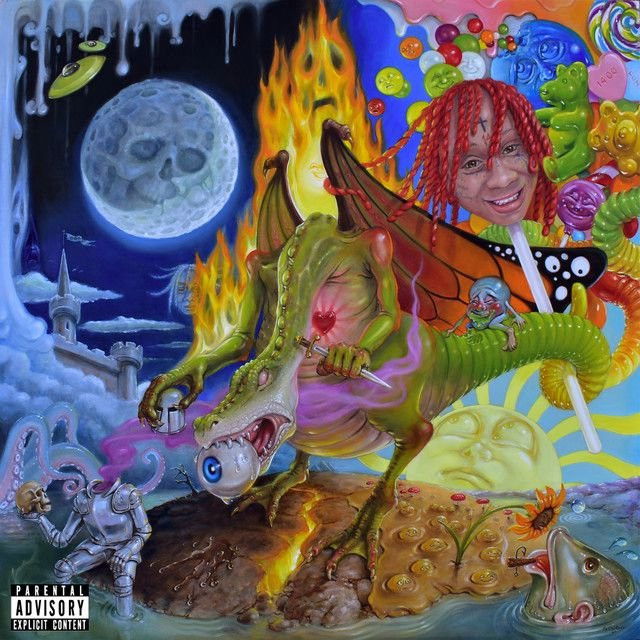
Why “Super Cell” Turns Anime Into Armor
The meaning of Super Cell Trippie Redd comes through loud and fast: they use anime mythology as a shield, a flex, and a way to turn chaos into identity.
"Super Cell" - Trippie Redd
Provided by LyricFind(CybeRspace)
Hahaha, wh-what the fuck?
Je t'aime, Trippie Redd (WNDWS)Loading...Loading lyrics...
Unable to load lyrics
We're unable to display the lyrics at this time. Please try again later.
Where the Song’s Core Meaning Lives
At its heart, “Super Cell” is a performance of power. Trippie Redd stacks references to Dragon Ball characters and attacks so they can sound larger than ordinary life. Instead of telling a detailed story, they build a persona that feels mutated, cosmic, and dangerous.
That is the clearest way into the meaning of Super Cell Trippie Redd. The song is less about one event than about a state of mind: they feel unstoppable, misunderstood, and ready for conflict. The repeated idea that others “don’t understand” them matters as much as the anime name-drops.
Interpretation: the track uses fantasy language to say something real about alienation. They are not just showing fandom; they are turning fandom into self-definition.
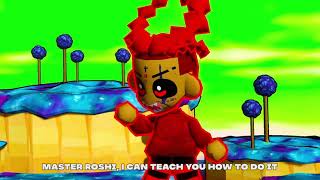
Watch the official Super Cell
music video
A Hook Built on Villains, Heroes, and Ego
The chorus centers on the boast feel like Cell
. In plain terms, they compare themselves to a famous villain known for evolution and overwhelming strength. That makes the song’s message simple: they want to sound like someone who keeps leveling up.
The line about Planet Namek
also repeats for a reason. In the song, that place stands for a world most people cannot enter. It is both a fan reference and a symbol of being on a different wavelength.
There is also a key emotional contrast. One moment is cartoonish and funny; the next turns darker with references to loss, confinement, and instability. That jump gives the chorus more tension than a normal brag rap hook.
How the Verses Turn Fandom Into Persona
Trippie Redd fills the verses with a chain of Dragon Ball figures: Goku, Piccolo, Broly, Majin Buu, Beerus, Vegeta, and Trunks. Each name adds a trait. Goku suggests heroic force, Piccolo suggests precision, Broly suggests raw invincibility, and Vegeta suggests pride.
This matters because the song is not using one clean metaphor. It is mixing heroes and villains on purpose. They are building an identity from every extreme the series offers.
A few short phrases show that strategy: special beam cannon
, Super Saiyan
, and Prince of all Saiyans
. None of these lines need long quotation to work. They all push the same idea—transformation into a more intense form.
Interpretation: by borrowing from many characters instead of one, they present themselves as unstable but limitless. The persona can switch forms at any moment.
The Darker Details Beneath the Jokes
Even with all the humor and fandom energy, the song is not weightless. A line about a lost brother brings grief into the middle of the fantasy. Mentions of drugs, violence, and mental distress also sharpen the edge.
That mix is important to the meaning of Super Cell Trippie Redd. They often blur pain and play, which is common in their catalog and public image as a genre-blending artist known for emotional rap and punk energy. Factually, Trippie Redd released “Super Cell” during the rollout for Mansion Musik, a project tied to rage production and pop-culture-heavy aesthetics, as covered by outlets like Billboard and Complex.
The song therefore works on two levels:
- surface-level anime flexing
- deeper hints of paranoia, grief, and self-destruction
Why the Beat Feels Like a Battle Scene
The production helps sell the concept. “Super Cell” rides on hard-hitting drums, synthetic textures, and a blown-out, digital feel. It sounds futuristic and aggressive, which makes the references to energy blasts and transformations feel natural instead of gimmicky.
The beat’s design matches the title. A “super cell” is also a violent storm structure, so the production feels stormy—dense, unstable, and charged. Even if that double meaning is not the main point, it fits the song’s mood well.
Trippie’s delivery matters too. They rap with a half-mocking, half-menacing tone, sounding amused by their own power. That balance keeps the track entertaining. If they sounded too serious, the anime bars could feel stiff; if they sounded too jokey, the threats would lose force.
Artist Context Makes the Song Clearer
Trippie Redd has long mixed melody, rage, emo, and internet-age reference points. They are part of a rap generation comfortable treating anime as emotional language, not just decoration. In that context, “Super Cell” is very on-brand.
The listed songwriters include Aarre Leinonen, Andreas Cristian Matura, Peter Jideonwo, and Michael Lamar II White, Trippie Redd’s legal name. That supports the idea that the song is built as a stylized collaborative performance rather than a diary entry.
They don't understand it, Planet Namek, like I'm Goku They don't understand it, Planet Namek, like I'm Goku
That brief repeated passage sums up the whole track. They frame themselves as operating in a world others cannot read.
A Smart Way to Read the Song
A useful reading is that “Super Cell” turns fandom into emotional armor. The Dragon Ball universe gives Trippie Redd a vocabulary for power, mutation, and survival. Instead of saying they feel hurt or isolated in direct terms, they say it through warriors, villains, and impossible attacks.
Another reading is simpler: it is a high-energy rap song made to sound fun, outrageous, and instantly memorable. That reading is valid too. The best version of the song probably includes both.
Final Take on “Super Cell”
The meaning of Super Cell Trippie Redd is not hidden very deep, but it is richer than it first appears. They use anime to brag, to joke, and to suggest that fame, pain, and identity have turned them into something strange and superhuman.
That is an interpretation, not a confirmed statement of intent. As with most songs built on persona, different listeners may hear more fantasy, more pain, or more swagger in the mix.








