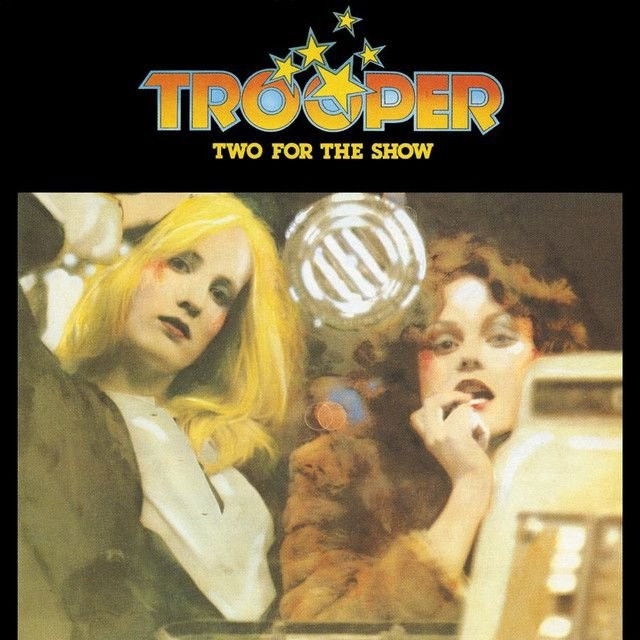
Why 'Two for the Show' Feels Like Backstage Truth
The meaning of Two for the Show Trooper starts with a simple scene: people getting ready to perform, people judging from the side, and someone realizing that show business is not as glamorous as it looks. Trooper turn that setup into a witty rock song about insecurity, ambition, and the strange little theater of fame.
"Two for the Show" - Trooper
And my mother wants to go
It'll break her heart when I tell her
Loading lyrics...
Unable to load lyrics
We're unable to display the lyrics at this time. Please try again later.
Released on Trooper's second album, Two for the Show, in June 1976, the track helped define an important early moment for the Canadian band. The album was produced by Randy Bachman and later went platinum in Canada, while the single reached No. 32 on the Canadian chart, according to the research data provided from the album reference. Those facts matter because the song is not just about performance; it came from a band living that reality in real time.
The Core Idea Hiding in Plain Sight
At heart, the song is about performance anxiety and the pressure to belong in a world built on image. The speaker is in costume, surrounded by judgment, and not fully sure of their place. When the song mentions makeup all over my face
, it suggests more than stage prep. It points to identity becoming a mask.
That mask theme runs through the whole track. People are arranged into roles: the mother, the singer, the radio lady, the unnamed "one" who might break through. Everyone seems to be auditioning for approval. The song laughs at that system, but it also shows how painful it can be.
Interpretation: Trooper seem to present show business as a mix of excitement and humiliation. The title sounds festive, yet the verses are filled with doubt.

Watch the official Two for the Show
music video
A Narrator Caught Between Stage and Real Life
The first verse introduces a person who is already split between private life and public life. A family figure wants in, but the speaker thinks she is too old
. On the surface, that is a comic line. Underneath, it shows how cruel entertainment culture can be, where worth gets measured by youth, style, and timing.
The next confession is even more revealing: I think I know my lines
. That phrase captures the whole emotional center of the song. They are supposed to be ready, but they are not fully confident. They know the script, maybe, but not the role they are meant to play.
This gives the song a very human edge. Instead of sounding like a triumphant rock anthem, it sounds like someone trying to hold it together before the curtain rises.
How the Chorus Turns Chaos Into a Hook
The chorus borrows the old counting formula associated with entertainment and gambling, then twists it into something uneasy. The phrase one for the money
sounds familiar and playful, but Trooper use it to show how every part of the scene has a price: money, status, radio play, maybe even dignity.
The line about the lady on the radio
widens the frame. This is no longer just one nervous performer backstage. It becomes a comment on the whole pop system: performers, gatekeepers, and the dream of being chosen.
Four might be the one
You'll never know
That brief moment captures the song's shrugging philosophy. Success is arbitrary. Talent helps, but luck and timing may matter just as much.
The Second Verse Sharpens the Satire
In the second verse, the song shifts attention to another performer, described as a kind of moral queen who is nevertheless out of key
. The contrast is funny, but pointed. Respectability does not guarantee skill. Public image and actual ability are not always the same thing.
Then the song imagines she could learn to dance and earn a living more gracefully. That line cuts in two directions. It sounds supportive, but it also reduces art to market value. Improve the act, smooth the edges, get paid. Trooper seem aware of how often art gets forced into performance polish.
Interpretation: The song may be poking fun at specific stage types, but its larger target is the entertainment machine itself. Everyone is being sized up. Everyone is replaceable.
Why the Sound Matters So Much
Musically, the track's meaning is carried by its brisk rock energy. Trooper were a rock band working in the mid-1970s, and the album is commonly categorized as rock and hard rock in the supplied reference material. That matters because the song's sharper message arrives wrapped in an upbeat, driving arrangement rather than a sad ballad.
The production connection is also important. Randy Bachman, a major Canadian rock figure, produced the album and played guitar on this track, according to the same research source. His style helps explain the clean but muscular feel: tight rhythm section, strong forward motion, and enough bite in the guitars to keep the sarcasm from sounding lightweight.
That contrast is one reason the song works. The band do not stop the party to lecture the listener. They let the groove carry the discomfort.
Two Strong Readings of the Song
Reading One: A satire of show business
This is the clearest reading. The song watches performers scramble for attention while radio, image, and luck shape who gets noticed. In this view, the title is ironic: the show goes on, but the people inside it feel uncertain and exposed.
Reading Two: A broader song about social roles
The lyrics can also apply beyond the music world. Many people wear makeup, memorize lines, and wait in the wings in everyday life. Jobs, families, and public identities can all feel like stages. In that reading, the song becomes about modern life as performance.
Why the Song Still Connects
Part of the lasting appeal comes from how recognizable its tension remains. People still curate themselves, chase approval, and wonder whether talent is enough. The song's details are theatrical, but its anxiety is universal.
For listeners asking about the meaning of Two for the Show Trooper, the best answer is this: it is a lively, sly song about the cost of performing a version of oneself for others. It enjoys the spectacle, but it never fully trusts it.
That balance gives the track its edge. It is catchy enough to sound effortless, yet observant enough to feel wise.
Disclaimer: This interpretation is based on the lyrics, the song's recording context, and publicly available release information. As with most songs, listeners may reasonably hear different meanings in it.








