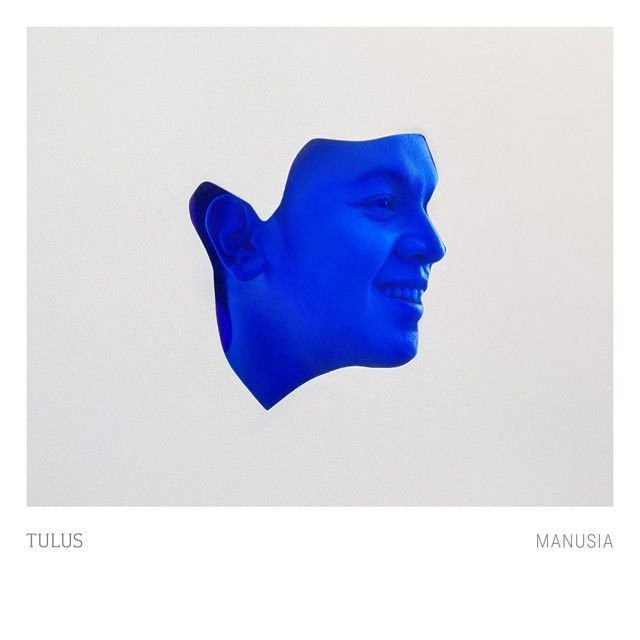
Interaksi by Tulus
Love rarely asks for permission. Interaksi captures that ambush: the heart lights up, the mind stalls, and choice blurs. For listeners curious about the meaning of Interaksi Tulus, this piece sits at the edge of hope and self‑protection, asking whether a chance meeting should cross the “line” into something real.
"Interaksi" - Tulus
Hari di mana ku melihat dia
Yang tak aku bidik
Loading lyrics...
Unable to load lyrics
We're unable to display the lyrics at this time. Please try again later.
A Sudden Spark With a Warning Label
The narrator meets someone by accident and feels a pull they did not plan. They name that boundary with the phrase garis interaksi
, the line where a glance turns into a bond. The song weighs two urges at once: the wish to step over that line, and the wish to avoid another broken heart.
Interpretation: The opening sets up destiny versus choice. The feeling seems fated, but they still want control over where it goes.

Watch the official Interaksi
music video
Who’s Speaking and What They Want
This is a first‑person voice, talking to themselves, to the person, and to something bigger—nature, energy, fate. They admit they’re tak kuasa mengendalikan hati
, not fully in charge of their emotions. That honesty drives the song’s tenderness.
At the same time, they are careful. The repeated “that would be my choice” stance—echoed in lines like itu yang kupilih
—shows they value consent with themselves. They don’t want to stroll into pain just because a moment feels magical.
The Story in Four Beats
- A chance sighting: They simply “see” someone—
melihat dia
—and a feeling lands. - A defensive wish: If they could rewind time or dodge the encounter, they would. This guards a heart that’s been hurt.
- A tempting fantasy: They imagine dates and beautiful places, then question whether that impulse is real care or just curiosity.
- A final request: If the match is right, move closer; if not, please let the feeling fade.
Interpretation: The plot is simple on purpose. The tension lives in the push‑pull between daydream and discipline.
The Plea at the Center
The core refrain is a gentle ask to the universe: Jika dia memang bukan untukku
—if this person isn’t meant for me—then ease the ache. That is answered by the mantra‑like reda dan redalah
, which reads like slow breathing. But there’s a mirror wish too: if it is right, “come closer.”
Interpretation: Instead of declaring ownership, the singer asks for clarity. They would rather release a crush than enter a loop of doubt and damage.
Images That Carry the Theme
- The “line of interaction” marks a boundary. Crossing it is a choice, not a rush.
- An “oasis” that is sad suggests a safe place that doesn’t fully heal. Comfort exists, but fear still lingers.
- Appeals to nature and energy frame love as part of a larger order. If love belongs here, let it flow; if not, let it recede like a tide.
These images avoid grand drama. They keep the scale human: one person, one moment, one careful step.
How the Sound Shapes the Feeling
Interaksi moves with a calm, mid‑tempo pulse. The arrangement leans warm and spacious—piano and light rhythm as a base, with gentle textures that rise and fall. Tulus’s vocal stays close‑miked and clear, sitting at the front of the mix.
Interpretation: The restraint in the production mirrors the lyric’s boundaries. Nothing crashes in. When the melody lifts on the chorus, it suggests the heart swelling; when the dynamics settle, it echoes the wish to let the feeling “subside.” The track sounds like a hand on the brake and a foot on the gas at the same time.
Two Ways to Read It
- Surrender with safeguards: The singer invites love but insists on emotional safety. They’re brave enough to feel, wise enough to step back.
- A prayer for timing: The appeals to nature can be heard as a spiritual check‑in. If the timing’s right, guide us closer; if not, protect both of us by quieting the pull.
Both readings hinge on agency. Even when feelings arrive uninvited, the response can be intentional.
Final Takeaway
The meaning of Interaksi Tulus rests in the space between attraction and choice. It honors longing without making it a command. By asking for either clarity or calm, the song gives listeners a language for loving well—one where desire meets a boundary, and both are respected.
Disclaimer: This analysis is interpretive and based on the official lyrics in Indonesian; wording and nuance may vary by translation.







