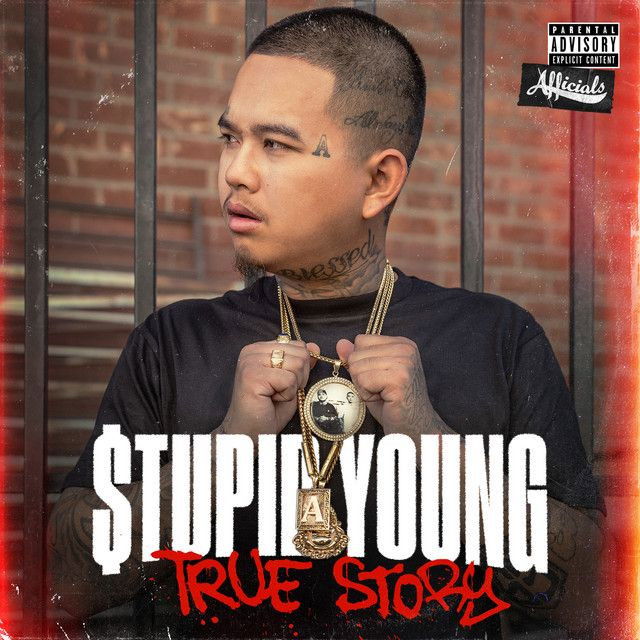
Why "Trust Nobody" by $tupid Young Hits So Hard
The meaning of Trust Nobody $tupid Young starts with survival. The song is built around a simple idea: when someone grows up around danger, betrayal, and pressure, distrust stops being a mood and becomes a rule. $tupid Young turns that rule into the track's center, showing a world where loyalty is rare, watchfulness is constant, and confidence is a shield.
"Trust Nobody" - $tupid Young
Police try to ask me questions, I don't know
Everywhere I go, man, you know I keep a pole
Loading lyrics...
Unable to load lyrics
We're unable to display the lyrics at this time. Please try again later.
$tupid Young is a California rapper known for hard-edged street rap and direct delivery. According to his Apple Music profile, his music often blends West Coast energy with personal grit. In this song, written by Alex Pham, they lean into that same identity: blunt, guarded, and ready for conflict.
The Core Message Beneath the Threats
At the most direct level, the song says they cannot depend on other people. The hook repeats the idea of being ten toes down
, which means staying grounded, loyal, and firm under pressure. That phrase matters because it turns trust into a test of consistency.
The chorus also uses trust a soul
to show just how deep the suspicion goes. This is not one bad friendship or one failed romance. It paints a whole environment where almost everyone is a possible threat, whether that threat is betrayal, police attention, or rival violence.
Interpretation: The song is less about paranoia for its own sake and more about emotional armor. They present distrust as the cost of experience. If someone has seen people switch sides, cooperate with law enforcement, or create danger through carelessness, then refusing trust becomes a way to stay alive.

Watch the official Trust Nobody
music video
Verse Scenes That Build the World
The verses explain why the hook sounds so absolute. They move through scenes of money, attraction, crime, and retaliation, all without much pause. That nonstop motion makes the song feel restless, as if safety never lasts long.
A few details stand out:
- The song links money and attention, suggesting cash brings both status and risk.
- It shows police pressure, but the speaker answers with silence.
- It describes weapons as everyday necessities, not dramatic exceptions.
- It treats loyalty as more valuable than romance or popularity.
When they say stick to the script
, the line suggests discipline. They are following a code, not improvising. In the same way, phrases about being on a mission
make the speaker sound locked into a lifestyle where every move has stakes.
The Hook Turns a Street Motto Into a Worldview
The chorus is catchy, but it is also the song's thesis. Its repetition gives the track a hard, almost chant-like structure. Each return to the central warning reinforces the idea that distrust is not a passing feeling. It is the lens through which everything is judged.
That is why the hook hits harder than the verse details alone. The stories in the verses could sound like bragging by themselves. But once the chorus returns, the listener hears those details as symptoms of a bigger problem: life has taught them to expect disloyalty.
Police try to ask me questionsI don't know
Those brief lines capture that worldview in miniature. The refusal is not just legal caution. It also signals a culture of silence, self-protection, and distance from authority.
Loyalty, Gender, and the Song's Hard Shell
The song makes broad, harsh statements about not trusting men or women. Those lines are confrontational, and they are part of the record's aggressive posture. In context, they seem meant to express total emotional lockdown rather than a nuanced social argument.
Interpretation: The track uses extreme language to show a mind-set shaped by disappointment and threat. That does not make every claim fair or universal, but it helps explain why the writing sounds so absolute. They are not trying to sort people carefully into good and bad. They are describing a state of permanent guard.
There is also a tension between desire and mistrust. The song mentions women, groupies, and sexual attention, but these moments do not soften the track. Instead, they show how even pleasure is folded into ego, status, and suspicion.
How the Sound Carries the Meaning
Production-wise, the song fits modern West Coast street rap: heavy drums, dark bass weight, and a spare melodic backdrop that leaves room for forceful vocals. Even without elaborate songwriting twists, that sound design matters. It creates pressure.
The beat feels cold and functional, which matches the lyrics. There is little warmth in the instrumental, and that supports the emotional message. Rather than sounding reflective or wounded, the production makes distrust feel active and sharp.
$tupid Young's delivery is just as important. They rap with a clipped, assertive style that rarely relaxes. That approach helps lines about loyalty and retaliation land as rules, not questions. On tracks across his catalog, including releases highlighted on his YouTube channel, that directness is part of the brand.
Artist Context Helps Explain the Song
$tupid Young has often framed his music around street realism, regional identity, and toughness. That context matters when reading this song. “Trust Nobody” is not written like a diary entry full of doubt. It is written like a survival statement meant for public performance.
That public performance element is key. In rap, saying you trust no one can work on two levels at once:
- It reflects real emotional damage.
- It also builds an image of strength and untouchability.
This song does both. It shows vulnerability indirectly, through suspicion, while still sounding dominant.
Final Take on the Meaning
The meaning of Trust Nobody $tupid Young is about life under pressure, where loyalty feels scarce and caution becomes identity. Its threats, boasts, and repeated warnings all point back to one belief: staying solid matters because the world around them feels unstable.
Interpretation: The song's hardest lines may be less about celebrating danger than about normalizing it. That is what gives the record its bleak power.
As with any lyric analysis, this reading is an interpretation, not a confirmed statement of the artist's full intent.








