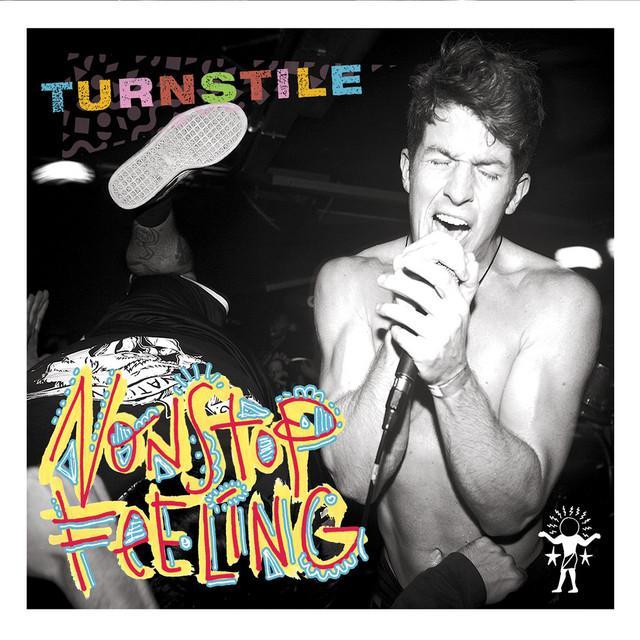
Fazed Out by Turnstile
The meaning of Fazed Out Turnstile comes down to a sharp emotional state: feeling thrown off, shut out, and unable to move forward after being hurt. But the song is not just about blaming someone else. Its deeper force comes from the speaker realizing they have helped create this cycle too.
"Fazed Out" - Turnstile
Shut out, like I've been before
I can't suffocate it
Loading lyrics...
Unable to load lyrics
We're unable to display the lyrics at this time. Please try again later.
Turnstile are known for turning hardcore into something physical and melodic at the same time. Critics have described the band’s style as built on groove, riffs, and passion, especially on later work like Glow On (Pitchfork). That same instinct can help explain why “Fazed Out” hits so hard. Even in a brief song, they make confusion feel urgent.
What the song is really saying
At the center of the track is a person who feels emotionally pinned down. Early on, they describe themselves as bound for the floor
, which suggests defeat, exhaustion, or even emotional collapse. They also feel shut out
, making the conflict feel personal and familiar, not new.
This matters because the song does not present pain as a dramatic one-time event. It feels like a pattern. The speaker has been here before, and that repeat experience gives the song its numb, frustrated tone.
Interpretation: The title phrase points to more than sadness. Being “fazed out” sounds like being mentally scrambled by another person’s power over them. They are not just wounded; they are unable to think or act clearly.
Watch the official Fazed Out
music video
A narrator caught between hurt and guilt
One of the strongest lines in the song shifts the meaning. The speaker admits they have used your moves
on people before. That confession changes everything.
Instead of a simple victim story, the song becomes a moment of self-recognition. They can see the bitterness building, but they also know they are not innocent. The pain they feel now reflects behavior they once passed on to others.
That is why the song feels mature despite its brevity. It understands that relationships often create loops. One person gets hurt, then repeats the same defense, silence, or manipulation elsewhere.
Why the pain cannot stay simple
The line about not making the bitterness last suggests a struggle against becoming hardened. The speaker wants to hold on to anger, but self-awareness gets in the way. They know too much about how these patterns work.
When they say they have to claim this pain
, it sounds like a decision to stop pretending the hurt belongs only to someone else. They may have been wronged, but they also have to own their part in the emotional history that brought them here.
The chorus turns confusion into the main theme
The repeated hook, fazed out
, works because it is both vague and exact. It does not explain every detail of the relationship. Instead, it names the feeling left behind.
That is a smart songwriting move. Rather than giving a long story, Turnstile reduce the experience to a state of being. The speaker is dazed, stalled, and waiting for relief that never quite arrives.
Waiting for a sign
to swing my way
This brief moment captures the song’s emotional posture. They are waiting for change, clarity, or maybe mercy. But the waiting itself becomes part of the problem. The song lives in suspension.
The key images: floor, suffocation, signs
The imagery is simple, but it is effective:
- The floor suggests defeat and heaviness.
- Suffocation suggests pressure they cannot release.
- A sign suggests passivity, as if they need outside permission to move.
Together, those images create a portrait of emotional paralysis. The speaker does not sound explosive. They sound trapped.
Interpretation: That trapped feeling may describe a collapsing relationship, but it could also apply to a wider inner struggle. The song can be heard as the moment when someone realizes they are repeating old damage and does not yet know how to stop.
How Turnstile’s sound strengthens the message
Turnstile’s music often turns tension into momentum. Even when the lyrics describe confusion, the band’s attack tends to be direct and physical. That contrast is important.
According to Pitchfork, Turnstile’s broader identity is rooted in primal riffs and groove rather than rigid genre limits, and “Fazed Out” is even named there as part of that earlier instinctive foundation (Pitchfork). That helps explain the song’s effect: the music pushes forward while the narrator feels emotionally stuck.
This creates a useful tension. The body wants motion, but the mind is frozen. In that sense, the arrangement mirrors the lyric idea exactly.
Where the song fits in Turnstile’s emotional world
Turnstile are often praised for energy, but their best songs also carry emotional conflict. Their work can sound open, communal, and alive while still making room for doubt or loss. That balance became especially visible as the band reached a wider audience on later releases like Glow On (Pitchfork).
“Fazed Out” feels like an early, concentrated version of that gift. It is forceful, but it is not empty aggression. It leaves room for vulnerability, self-criticism, and the uneasy truth that pain can travel through people in cycles.
Final takeaway on the song’s meaning
The meaning of Fazed Out Turnstile is not just that someone feels hurt. It is that they feel disoriented by hurt, aware of repeated patterns, and unable to fully separate their pain from their own past behavior. That honesty gives the song its staying power.
In a small space, Turnstile turn confusion into something physical and memorable. They show how being wounded can also mean being forced to look at the parts of oneself that helped shape the wound.
Disclaimer: This interpretation is based on the lyrics, the song’s sound, and publicly available context. Like many great songs, “Fazed Out” can support more than one reading.








