Why 'I Wanna Rock' Still Hits So Hard
The meaning of I Wanna Rock Twisted Sister starts with something very simple: they want to play loud music and they do not want anyone telling them to stop. But the song lasts because that basic idea grows into something bigger. It becomes a defiant anthem about freedom, identity, and the joy of refusing to shrink.
"I Wanna Rock" - Twisted Sister
I wanna rock (rock)
I want to rock (rock)
Loading lyrics...
Unable to load lyrics
We're unable to display the lyrics at this time. Please try again later.
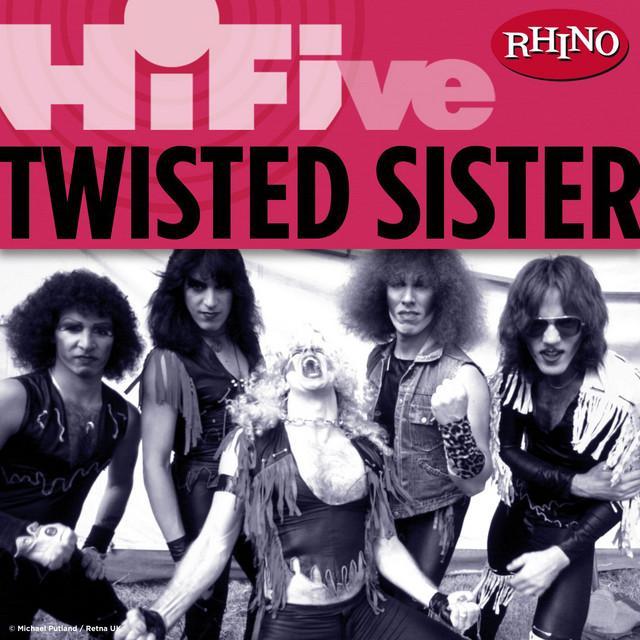
Released on Stay Hungry in 1984, the track was written by Dee Snider and became one of Twisted Sister's best-known songs. Factually, it sits in the band's breakthrough era, alongside other signature singles from that album. The larger cultural image of Twisted Sister also matters here: they were theatrical, aggressive, and playful at the same time, which helped this song feel rebellious without becoming too dark.
The Core Message Behind the Noise
At the center of the song is a clash between personal desire and outside control. The verses set up authority figures who say Turn it down
and tell them not to play. Their answer is blunt: I say no
. That refusal is the heart of the song.
This is why the track feels bigger than a song about speakers and guitars. It is about defending a part of the self. Rock music stands in for passion, individuality, and the right to enjoy what makes life feel alive.
Interpretation: many listeners hear it as a youth-rebellion song, but its appeal is wider than that. Anyone who has felt mocked, managed, or dismissed can hear themselves in it.

Watch the official I Wanna Rock
music video
How the Verses Build a Simple Conflict
The writing is direct, almost conversational. Someone objects, they push back, and the chorus arrives like a final answer. That structure is part of why the message lands so quickly.
A short timeline of the song's movement looks like this:
- Authority tells them to lower the volume.
- They refuse and reject the command.
- They explain that music gives them a feeling nothing else does.
- The chorus turns that feeling into a public chant.
There is no complicated plot. Instead, Twisted Sister use repetition to make the conflict feel universal. If one side says be quiet, the other side answers with energy, volume, and stubborn joy.
Why the Chorus Became an Anthem
The chorus is one of the clearest in hard rock history: I wanna rock
. It does not need metaphor to work. Its force comes from repetition and conviction.
That matters because the song is not trying to persuade with logic. It is trying to express a need. In the second verse, they describe a powerful sensation, saying there is a feelin'
they get from music that nothing else can match. A little later, they want to Turn the power up
, which turns private pleasure into collective release.
Interpretation: the chorus works like a slogan for self-expression. They are not asking whether rock has value. They are acting as if the value is obvious, and that confidence is what makes the hook so memorable.
Sound as Meaning, Not Just Style
The production helps explain the meaning of I Wanna Rock Twisted Sister as much as the words do. The song is built on sharp guitar riffs, a stomping beat, gang-style responses, and a vocal delivery that sounds half-shout, half-rally cry. Everything in the arrangement pushes outward.
That musical design matters. A softer arrangement would weaken the lyric's defiance. Here, the huge drums and crunchy guitars make resistance feel physical. When the band locks into the chorus, the song sounds like a room full of people choosing volume over obedience.
There is also a smart contrast in the pacing. The verses create tension with the argument, then the chorus releases it. That release mirrors the song's message: pressure builds when authority speaks, then freedom arrives when the band answers with sound.
Twisted Sister's Image Shapes the Song Too
Twisted Sister were not subtle, and that helped. Their glam-metal look, aggressive stage presence, and sense of humor made them seem like cartoon rebels and real rebels at once. That blend gave "I Wanna Rock" a wide appeal. It felt dangerous enough for teenagers, but catchy enough for radio and MTV.
The song's famous video amplified that message by turning adult authority into comedy. That visual framing told audiences not to hear the track as serious political protest, but as a loud defense of youth culture and rock fandom. In that sense, the song is rebellious, but also fun.
Two Strong Readings of the Song
There are at least two useful ways to hear it.
A literal rock-and-roll statement
On the surface, the song says exactly what its title promises. They love loud music, they want more of it, and they do not care who disapproves. This reading fits the lyrics perfectly.
A broader protest against control
Interpretation: the song can also stand for any moment when personal taste or identity is pressured by family, school, work, or culture. Rock becomes a symbol for freedom itself. In that reading, saying no to volume limits is really saying no to being managed.
Why It Still Connects
Part of the song's staying power is its simplicity. It names a feeling many people still recognize: the thrill of finding something that makes them feel fully themselves. The line about music shootin' through me
captures that rush without overexplaining it.
That is why the song still works decades later. It is not only about 1980s metal culture. It is about the basic human urge to hold onto joy when someone else says it is too much.
Final Take on the Song's Meaning
The meaning of I Wanna Rock Twisted Sister is loud on purpose. It celebrates rock music, but it also defends the freedom to love what others dismiss. The song turns a small argument about noise into a larger statement about self-expression.
That is the secret of its power: the message is simple, the emotion is huge, and the sound makes the refusal feel triumphant.
Disclaimer: this interpretation is based on the song's lyrics, performance, and cultural context. As with most songs, listeners may hear different meanings in it.