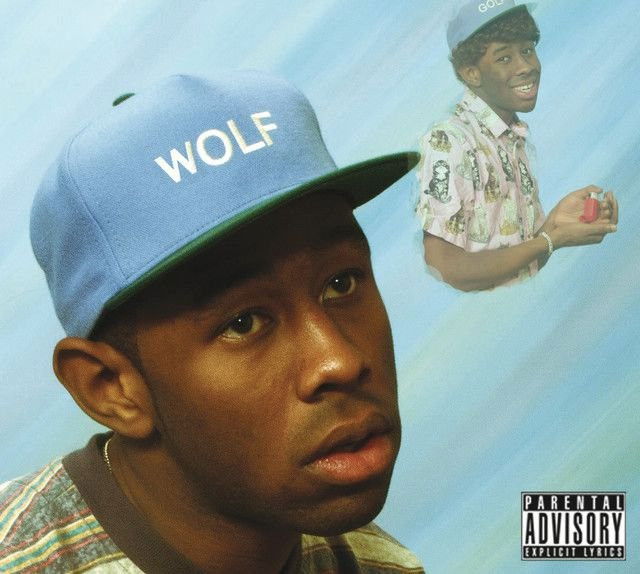
IFHY by Tyler, the Creator, Pharrell Williams
The meaning of IFHY Tyler, the Creator, Pharrell Williams comes down to one ugly, honest feeling: loving someone so much that the emotion starts to turn into anger, fear, and control. The song is not a sweet love story. It is a portrait of obsession, jealousy, and emotional whiplash.
"IFHY" - Tyler, the Creator ft. Pharrell Williams
Feelings could get thrown in the air
'Cause I accidentally caught that
Loading lyrics...
Unable to load lyrics
We're unable to display the lyrics at this time. Please try again later.
Released on Wolf in 2013, “IFHY” stands for “I F***ing Hate You,” and that title tells listeners almost everything they need to know. Tyler, the Creator has said Wolf was built around characters and storytelling, which matters here because the song feels heightened and theatrical rather than calm autobiography. Pharrell Williams appears on the track and is also credited as a writer, helping shape its glossy but uneasy feel.
A Love Song Turned Inside Out
At its core, “IFHY” is about contradictory emotions. The narrator does not simply love or hate the other person. They feel both at once, and that split is the whole point of the song.
The hook makes that conflict plain with the repeated idea I hate you
and but I love you
. Those short phrases are blunt, but the song gives them weight by showing how quickly affection becomes resentment. One minute the narrator is pulled in; the next they feel ignored, insulted, or replaced.
Interpretation: Tyler uses that contradiction to show immature or unstable love, where the person is less in love with peace than with intensity itself. The relationship feels addictive. That helps explain why the song is memorable: it says the quiet part out loud.

Watch the official IFHY
music video
How the Verses Build Obsession
The first verse shows constant mental fixation. Tyler describes thinking about the person all day and getting upset when messages go unanswered. Instead of sounding romantic, it sounds exhausting.
That matters because the song keeps moving from confession to threat. The narrator admits they are emotionally reckless, then blames the other person for stirring up that chaos. A line like my emotions bubbled
points to feelings that are not under control. The song treats jealousy almost like a physical pressure that keeps rising.
There is also a key shift in the second verse. What begins as hurt turns darker, with the narrator imagining extreme reactions if the person leaves. Those moments are best read as part of Tyler’s exaggerated writing style on Wolf, where ugly thoughts are often staged to reveal damaged thinking, not to make it admirable.
The Chorus Explains the Whole Relationship
The chorus is simple, but it reframes every verse. It suggests two people locked into a pattern: one is messy and reactive, the other seems composed or unreachable. Tyler sums that up with good at being troubled
, a phrase that suggests dysfunction has become the couple’s normal state.
I'm bad at keeping my emotions bubbled
You're good at being perfect
Those two lines matter because they show imbalance. The narrator feels flawed and exposed, while the other person appears controlled and untouchable. Whether that view is fair is another question. It may be less about who the other person really is and more about how obsession distorts them.
Sound, Color, and Pharrell’s Role
Part of what makes “IFHY” so effective is that it does not sound as harsh as its feelings. The production is lush, melodic, and almost pretty. That contrast is crucial.
Pharrell’s influence can be heard in the song’s polished chords and floating hook, which soften the edges just enough to make the emotional content hit harder. Tyler has often spoken about his admiration for Pharrell and The Neptunes, and that influence runs through Wolf. Here, the bright, almost dreamy arrangement creates a strange tension with the lyrics’ bitterness.
There is even a spoken studio note about adding more yellow
. Whether listeners take that literally or symbolically, it fits Tyler’s long-running interest in color as mood and design. Yellow can suggest warmth, brightness, even false sunshine. In “IFHY,” the music glows while the relationship rots.
Why the Song Feels Bigger Than a Breakup
“IFHY” is not only about romance. It is also about ego and possession. The narrator seems unable to accept that the other person has a life outside the relationship. When they imagine being replaced, the pain turns into rage.
Interpretation: That makes the song less a breakup ballad and more a study of emotional dependency. The other person becomes a mirror. If they stay, the narrator feels validated. If they pull away, the narrator collapses.
This is where Tyler’s performance matters. He sounds wounded, funny, childish, and dangerous in quick bursts. That instability is part of the song’s design. They are hearing someone who cannot sort love from control.
Context Within Wolf
On Wolf, Tyler moved toward richer production and more layered storytelling than on earlier releases. “IFHY” sits at the center of that shift. It still has shock value, but it is more musically elegant and emotionally legible than some of his earlier work.
The song’s video also leans into artificiality, using dollhouse-style imagery and staged romance to underline how manufactured this perfect relationship really is. That visual choice supports the song’s main idea: what looks pretty from the outside can be deeply broken underneath.
The Lasting Meaning of “IFHY”
The lasting power of the meaning of IFHY Tyler, the Creator, Pharrell Williams is its honesty about feelings people usually hide. It captures the shameful side of attachment: the pettiness, the neediness, the urge to punish someone for having power over the heart.
That does not make the narrator reliable or admirable. In fact, the song works because it exposes how ugly insecure love can become. Tyler and Pharrell pair beautiful sound with emotional poison, and that contrast is the song’s genius.
In the end, “IFHY” is about a person who cannot handle how much they care. They turn devotion into resentment because resentment feels easier to control.
Disclaimer: This interpretation focuses on the song’s lyrics, performance, and context. As with most art, listeners may reasonably hear different meanings in “IFHY.”









