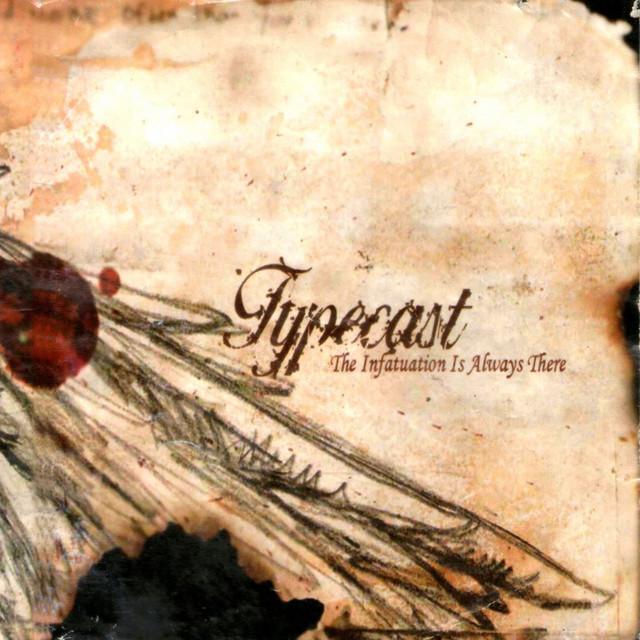
Why 'Breathe Through The Glass' Hurts So Much
The meaning of Breathe Through The Glass Typecast centers on separation that feels almost physical. The song presents a speaker caught between love, fear, and helplessness. They can still see the other person, but they cannot fully reach them. That is what makes the title so effective: glass is transparent, yet it keeps bodies, breath, and comfort apart.
"Breathe Through The Glass" - Typecast
Loading lyrics...
Unable to load lyrics
We're unable to display the lyrics at this time. Please try again later.
Typecast are widely known in the Philippine alternative and emo-leaning rock scene, a reputation reflected in coverage by outlets such as AllMusic and the band’s public discography pages. Even without detailed official notes for this track, the lyrics alone make the emotional core clear: this is a song about watching someone fade and wanting one more chance to connect.
The Song’s Core Wound
At its heart, the song sounds like a plea to someone in decline. Early lines describe an ending, then move quickly into confusion and sensory overload. The world does not feel stable. Wind crashes in, sight is blurred, and the speaker asks to see you one more time
. That short phrase carries the song’s biggest fear: loss is near, and time is running out.
Interpretation: the person being addressed may be emotionally shut down, self-destructive, or unreachable for some other reason. The line about drink what weakens you
points toward harmful coping, possibly addiction, but the lyric does not lock itself to one literal scenario. It works just as well as a portrait of anyone choosing pain over connection.
Glass, Wind, and Blindness
The song’s imagery is simple but powerful. The title phrase breathe through the glass
suggests a barrier that allows sight but blocks intimacy. They are close enough to witness damage, yet too far away to stop it. That image turns heartbreak into something tactile.
Wind and blindness deepen that feeling. The repeated mention of crashing wind and burning or blinded eyes suggests emotional chaos. The speaker is overwhelmed, unable to think clearly, and perhaps unable to accept what is happening. Rather than giving a neat story, the song gives sensations. That choice makes the pain feel immediate.
Another key symbol is the torn letter. When the lyric says the letter's torn
, it points to damaged communication and memories that cannot be repaired. Still, the speaker keeps it. They hold onto hurt because it is all they have left.
A Voice Trapped Between Speech and Silence
One of the most moving tensions in the song is the push and pull between wanting to speak and refusing to do so. The speaker asks for closeness, saying hold me
just once, but they also promise silence. This matters because it shows how grief can make people passive. They want to intervene, but they fear making things worse.
That silence becomes even sharper in the repeated aside, where they admit they said nothing. The song does not portray them as heroic or fully in control. Instead, it shows someone who feels late, stunned, and guilty. They are not only mourning the other person’s state; they are mourning their own inability to act.
The Emotional Timeline
The lyrics roughly move through four beats:
- An ending is announced, and reality starts to feel unreal.
- The speaker watches the other person continue harmful behavior.
- They ask for one final moment of tenderness and recognition.
- They retreat into silence, waiting, remembering, and holding onto damage.
That arc gives the song a feeling of collapse. It begins with crisis and ends with emotional suspension rather than resolution.
How the Sound Likely Supports the Meaning
Typecast’s style often blends melodic vulnerability with loud, emotionally charged rock textures, a hallmark associated with emo and alternative rock histories documented by sources like Britannica. That context helps explain why these lyrics feel built for swelling guitars, dynamic drums, and aching vocal delivery.
Even without formal production credits available here, the writing suggests a sound that mirrors suffocation and release. Lines about blindness, walls, and waiting fit music that tightens in the verses and opens in the hook. A strong Typecast performance would likely make the chorus feel less like explanation and more like emotional overflow.
Interpretation: if the instrumentation rises around the title phrase, it would reinforce the idea that the speaker’s emotions are bigger than the space they are trapped in. The body wants to break through, even when the relationship cannot.
Two Strong Ways to Read It
The most direct reading is interpersonal. The speaker loves someone who is self-destructing and cannot be saved by affection alone. In this version, the song is about helpless love.
A second reading is that the song describes grief before death, or even grief after emotional death. Phrases about life ending, final sight, and waiting to be awakened once someone is gone make the song feel haunted by absence. In that sense, it is not only about conflict; it is about anticipatory mourning.
Both readings fit because the lyrics never reduce the pain to a single event. They stay in the emotional truth of watching someone disappear.
Why the Song Still Lands
The meaning of Breathe Through The Glass Typecast lasts because it captures a very specific pain: being close enough to witness someone’s suffering but too far away to change it. Its images are easy to picture, but hard to shake.
That is also why the song feels intimate. It does not argue, diagnose, or explain too much. It simply stays beside fear, regret, and love for a little longer.
Disclaimer: This interpretation is based on the lyrics provided and general artist context. Without a confirmed statement from the band or songwriter, some meanings remain interpretive rather than definitive.







