What "Clutching" by Typecast Really Holds
The meaning of Clutching Typecast comes through fast: this is a song about trying to hold onto love after it has already started slipping away. Its speaker sounds trapped between grief, doubt, and the need to be recognized for how deeply they cared. Even with simple words, the song turns that feeling into something vivid and heavy.
"Clutching" - Typecast
I think I'll drown myself with my tears
why does it have to be like this? so it doesn't mean anything to you so do you want to see loyalty? are these tears not enough for you?
Loading lyrics...
Unable to load lyrics
We're unable to display the lyrics at this time. Please try again later.
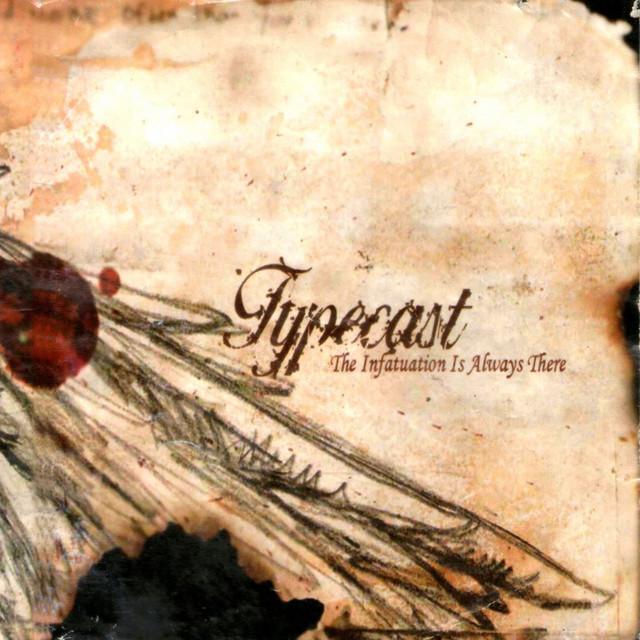
Typecast are widely associated with the Philippine alternative and emo scene, and that background matters to how this track lands. Their music often leans on emotional directness rather than irony, which makes a song like “Clutching” feel raw instead of polished. Because the user-provided context does not include verified release or credit details, it is safest to focus on the lyrics themselves and the style listeners commonly associate with the band.
The Heart of the Song Is Emotional Imbalance
At its core, the song describes a painful mismatch. One person is overwhelmed, while the other seems withdrawn. Early on, the line kill the conversation
suggests silence is not neutral here. It feels like avoidance.
That matters because the speaker is not just sad about a breakup. They are hurt by what the silence implies: that the bond may not have meant the same thing to both people. When they ask whether their tears are enough proof, the song frames love as something they have already demonstrated, maybe even excessively.
Interpretation: the real wound is not only separation. It is the fear that their loyalty was invisible.
Rain, Tears, and Drowning as One Emotional World
The strongest image in the song is weather. The phrase raining forever
turns sadness into a climate, not a moment. This is bigger than one argument. It feels ongoing, inescapable, and physical.
The next image deepens that mood with drown myself with my tears
. The lyric does not just say they are crying a lot. It imagines grief as something that can swallow a person whole. That exaggeration is typical of emo writing, where emotion is made bodily and immediate.
Together, rain and tears blur into one setting. The outside world mirrors the speaker’s inner life. They cannot step out of the storm because the storm is also inside them.
A Goodbye Heard Through Tone, Not Just Words
One of the most effective details is the mention of a message. The speaker says the sound of it made them feel it meant goodbye. That is a strong modern heartbreak detail: sometimes the end of a relationship is not spoken clearly, but heard in tone, timing, or distance.
The phrase meant goodbye
shows that uncertainty. The speaker is reading signs, not receiving honest closure. That uncertainty fuels the repeated questions in the song. They are not only mourning loss; they are trying to decode what happened.
The Questions Reveal the Real Pain
The song keeps returning to why things turned out this way and whether any of it mattered. Those repeated questions make the speaker sound stuck in a loop. They cannot move on because they still need answers.
This is where the title “Clutching” becomes meaningful. They are clutching memories, emotions, and maybe even the last traces of hope. Instead of release, the song gives emotional grip.
The Most Devastating Turn: Doubting Past Intimacy
Near the end, the lyrics shift from present hurt to past intimacy. The speaker asks what the embraces meant and whether hearing their name was sincere. That is the song’s most painful move.
A breakup is one kind of hurt. Reinterpreting every tender memory as possibly false is another. The phrase called my name
matters because names are personal. In this context, even that private closeness now feels unstable.
Interpretation: the song is partly about retrospective damage. Once trust breaks, old affection no longer feels safe or certain.
What did your embraces mean?
Did you mean it
when you called my name?
These questions do not seek poetry for its own sake. They show a person trying to rescue truth from memory.
How the Sound Likely Carries the Meaning
Even without full production credits here, the writing strongly suggests an emo or post-hardcore setup: tense guitar lines, swelling dynamics, and vocals that move from restraint to ache. That style fits the lyrics because the song depends on pressure.
The repeated hook likely works as an emotional surge, the point where private confusion becomes open pleading. In songs like this, drums and guitars often do more than accompany the words. They create the sense of emotional flooding that the rain imagery already introduces.
If listeners know Typecast from their broader sound, that makes the meaning of Clutching Typecast even clearer. The band’s likely sonic palette would not soften this story; it would intensify it.
Why the Song Still Connects
What makes “Clutching” relatable is its lack of emotional distance. The speaker does not pretend to be above the pain. They want proof, explanation, and acknowledgment.
That honesty gives the song its staying power. Many breakup songs focus on anger or acceptance. This one sits in the harder middle stage, where a person is still trying to understand whether the relationship was real in the same way for both people.
Final Reading: Holding On When the Answer Is Already There
The best way to read the song is as a portrait of someone who already senses the relationship is over but cannot stop reaching back toward it. They are clutching not only a person, but the meaning of everything that happened.
That is why the song hurts. It captures the moment when sadness turns into self-questioning, and when memory becomes almost as painful as the loss itself.
Disclaimer: This interpretation is based on the lyrics provided and general musical context around Typecast. As with any song, meaning can vary from listener to listener.








