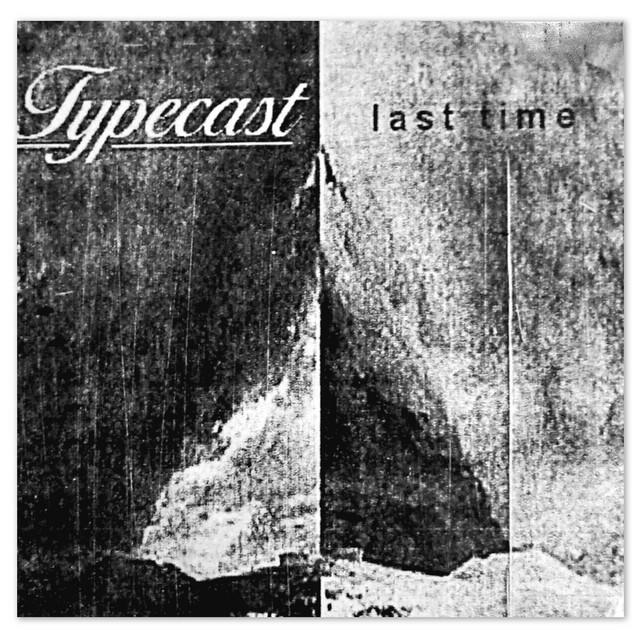
Dorothy by Typecast
The meaning of Dorothy Typecast comes into focus fast: this is a song about sudden attraction, self-doubt, and the painful feeling of not measuring up. Instead of presenting romance as smooth or heroic, Typecast frame it as awkward, physical, and deeply human. The narrator sees Dorothy, is instantly captivated, and then spirals into comparison with the boyfriend beside her.
"Dorothy" - Typecast
then you came and you dazzled me with the way you walk
near me then i thought i would approach you but it
Loading lyrics...
Unable to load lyrics
We're unable to display the lyrics at this time. Please try again later.
That simple setup gives the song its charm. It is not about winning the girl. It is about the moment before anything can happen, when desire turns into insecurity.
A Crush That Turns Into Self-Examination
At the story level, the plot is easy to follow. It begins on a Saturday while the narrator is waiting for friends. Then Dorothy appears and seems to light up the scene. The singer is drawn in by the way she moves, summed up in the dazzled reaction to the way you walk
.
From there, the song shifts inward. The narrator thinks about approaching her, but stops because she is already with someone. That detail matters because the real conflict is not only romantic competition. It is the narrator’s belief that they can never be as cool, stylish, or masculine as the other guy.
Interpretation: the song is less about Dorothy as a fully known person and more about what she awakens in the narrator: longing mixed with a harsh self-measurement.
The Real Villain Is Comparison
One of the sharpest ideas in the lyrics is how quickly admiration becomes self-criticism. The narrator does not just notice the boyfriend. They build him into an impossible standard. In a few lines, he becomes better at skating, tougher in attitude, and stronger in style, captured by the repeated idea of being cool like him
.
That is why the meaning of Dorothy Typecast feels bigger than a basic crush song. It captures a teenage or young-adult mindset where attraction immediately triggers a ranking system. Someone else seems effortlessly right for the world, while the speaker feels ordinary and exposed.
This emotional logic makes the song relatable. Many listeners know the feeling of liking someone and then deciding, almost instantly, that they belong to a better version of life.
How the Song Moves Scene by Scene
Typecast tell the story in quick, vivid beats:
- The narrator waits around on a normal day.
- Dorothy arrives and changes the mood.
- The boyfriend becomes an obstacle and a symbol.
- The narrator tries to keep playing music.
- Dorothy comes close, and the body reacts before words do.
The guitar scene is especially important. When the narrator says i was playing my guitar
, the song gives them an identity beyond longing. But that identity collapses once Dorothy passes by. The physical reaction, including i cant move my fingers
, shows a crush so strong it interrupts action itself.
That detail gives the lyric emotional credibility. They are not simply saying she is beautiful. They are showing how attraction can scramble confidence in real time.
Dorothy as a Symbol, Not Just a Person
There is no firm evidence from the available facts that Typecast intended a direct link to Dorothy Gale from The Wizard of Oz. Dorothy Gale is one of the most enduring figures in American culture, first appearing in L. Frank Baum’s 1900 novel and later becoming iconic through the 1939 film adaptation, as documented by Britannica and the Library of Congress. But in this song, “Dorothy” works more clearly as a personal name than as a literary allusion.
Still, the title does carry a faint cultural echo. Because “Dorothy” is such a recognizable name in American storytelling, it can suggest idealization, innocence, or a dream figure. Interpretation: even if unintentional, that association may deepen the sense that the narrator is chasing an image as much as a real person.
The Sound Likely Supports the Feeling
Typecast are widely associated with emo, alternative rock, and melodic post-hardcore textures, a style noted in band profiles and scene coverage such as Last.fm and AllMusic. That matters because this lyric depends on emotional acceleration.
A song like this works best when the arrangement mirrors the narrator’s nerves. Fast or driving guitars can represent the rush of attraction. Slight vocal strain can make the self-consciousness feel immediate. If the performance leans melodic rather than aggressive, that also fits: the song is not about conquest, but exposure.
In other words, the production likely carries the same mixed feeling found in the lyrics: excitement on the surface, embarrassment underneath.
Why the Last Lines Matter
Near the end, the narrator imagines the boyfriend fighting him and decides it would still be worth it because Dorothy has seen him. That idea is reckless, but also revealing. He is not chasing victory. He is chasing recognition.
The small phrase i see you
can be read in two ways. Literally, he sees Dorothy. Emotionally, he wants to be seen by her too. That is the hidden need inside the whole song.
Interpretation: the ending suggests that desire is tied to identity. The narrator wants romance, but even more, they want proof that they matter in the same room as someone dazzling.
Why the Meaning Still Lands
What makes this song memorable is its honesty about awkwardness. It does not polish insecurity into confidence. It lets the crush stay messy, jealous, and physically destabilizing. That is why the meaning of Dorothy Typecast connects: it understands that attraction often begins not with smooth talk, but with panic, fantasy, and comparison.
For many listeners, that makes the song feel young in the best way. It captures the exact second when admiration becomes self-consciousness and a person starts to feel both older and suddenly so young
.
Final Take on Typecast’s “Dorothy”
Typecast turn a simple encounter into a portrait of insecurity. Dorothy is the spark, but the song’s deeper subject is the narrator’s fragile sense of self. The result is a track about wanting someone, fearing inadequacy, and hoping to be noticed anyway.
Disclaimer: This article offers interpretation based on the lyrics provided and publicly available context. Song meaning can remain open, and listeners may hear something different in it.








