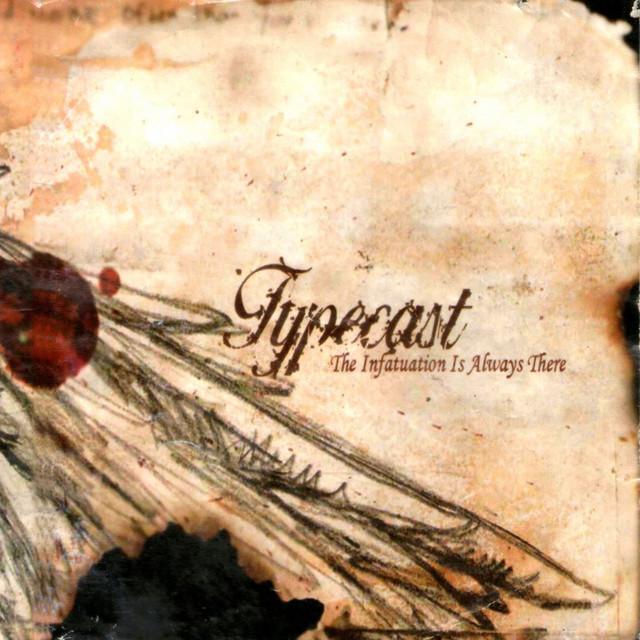
Why 'Escape The Hurt' Feels So Fragile
The meaning of Escape The Hurt Typecast centers on emotional overload. The song sounds like a person caught between two impossible needs: they want to calm their own pain, and they also want to carry someone else through theirs. That double burden gives the track its raw pull.
"Escape The Hurt" - Typecast
Loading lyrics...
Unable to load lyrics
We're unable to display the lyrics at this time. Please try again later.
Typecast are widely associated with the Philippine rock and emo scene, though this article avoids unsourced release details because the provided material does not confirm them. What the lyrics do confirm is a voice in crisis, trying to stay useful while falling apart.
A Song About Pain They Cannot Clean Off
From the opening, the song presents hurt as something visible and stubborn. The image of a blood stain
makes emotional damage feel physical, almost permanent. Instead of sounding poetic for its own sake, that image suggests trauma that sticks to memory.
The next idea deepens that feeling. When the speaker says the moment is haunting them, they are not describing a passing argument or a simple breakup. They are describing an event that keeps replaying. In that context, escape the hurt
is not a dramatic slogan. It is a survival tactic.
Interpretation: the song may be about the aftermath of a painful fight, betrayal, or personal collapse. The lyrics never name the event directly, which makes the song broader and more relatable. Listeners can hear grief, guilt, depression, or relationship damage in the same words.
The Push and Pull Between Two Wounded People
One of the strongest ideas in the lyric is the desire to help someone else even while the speaker is barely functioning. They ask the other person to be yourself
, then promise, in effect, to take that pain and merge it with their own. That is loving, but it is also unhealthy.
This is where the song becomes more than a personal breakdown. It suggests a relationship where both people are hurt, and one person tries to become a container for all of it. The line tell me where it hurts
sounds tender on the surface. But paired with the rest of the song, it also sounds desperate.
Care Becomes Self-Erasure
The speaker also says they will try to be themselves. That matters because it hints they no longer feel stable or recognizable. They are trying to comfort another person while losing their own center.
tell me where it hurts
I will take your pain
put it with my own
That short passage captures the song’s emotional logic. They do not imagine healing through balance or distance. They imagine love as accumulation, as if suffering can be managed by gathering it all into one body.
Sleep as Refuge, Not Recovery
A key line says they sleep to get away from pain. That detail shifts the song from confession to exhaustion. Sleep is not presented as healthy rest. It feels like shutting down because waking life is too sharp.
This is why the song feels fragile rather than merely angry. There is no victory in the language. Even the attempts at calm sound strained. The phrase try to be calm
suggests effort without success.
Interpretation: sleep may symbolize numbness, avoidance, or the wish to stop thinking. In many emotionally heavy rock songs, rest can stand in for retreat from guilt or memory. Here, it feels temporary. Nothing in the lyric suggests the pain is gone when they wake.
How the Sparse Language Sharpens the Meaning
The writing is compact, almost breathless. There are very few extra details, which makes each image hit harder. The song moves from stain, to haunting, to sleep, to healing without much explanation in between. That compressed style mirrors panic and emotional flooding.
Another important phrase is worthless breath
. It suggests shame and self-disgust, not just sadness. The speaker is not only suffering; they are also judging themselves harshly while asking for help.
That final cry for healing matters because it flips the earlier promise. At first, they offer to absorb another person’s pain. Later, they admit they are not strong enough. That admission gives the song its tragic honesty.
Why the Sound Likely Matters as Much as the Words
Without verified production credits in the provided context, it is safest to talk about how the lyrics invite a certain sound rather than making hard factual claims. Songs built around this kind of writing often rely on tension between softness and eruption: clean guitar or restrained verses, then louder crashes when the emotion peaks.
That would fit this lyric well. The words move between control and collapse. A tense rhythm section, ringing guitars, and a strained vocal could underline that instability. In emo and post-hardcore, that dynamic contrast often carries the meaning as much as the text itself.
The Deepest Reading of the Song
The meaning of Escape The Hurt Typecast may be simplest when put this way: it is about trying to save someone while not knowing how to save oneself. The speaker wants closeness, relief, and healing, but they reach for those things through sacrifice and self-denial.
That is why the song lingers. It understands a painful truth: some people try to prove love by carrying more than they can bear. Instead of making them noble, the song shows how that choice can leave them emptier, weaker, and still unheard.
Final Thought
Their voice sounds trapped between empathy and burnout. That tension gives the song its emotional force and its sadness.
Disclaimer: This interpretation is based on the lyrics provided and general musical context. Song meaning can remain open, and listeners may reasonably hear different emotional stories in it.








