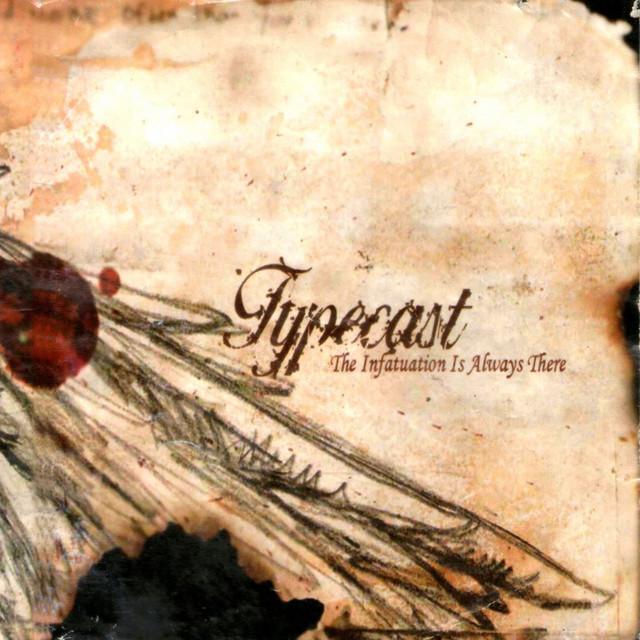
What "Guilt Kill" by Typecast Really Means
Typecast built their reputation in the Philippine alternative and emo scene, with a sound often described as post-hardcore and emotionally direct in band profiles and music coverage such as AllMusic and regional press archives. That context matters when reading the meaning of Guilt Kill Typecast: this is a song that turns guilt into a private room, then traps its speaker inside it.
"Guilt Kill" - Typecast
times i will let you down just dont talk to me i said
that i was sorry i'm not the one you want cant you
Loading lyrics...
Unable to load lyrics
We're unable to display the lyrics at this time. Please try again later.
The Song’s Core Wound
At a basic level, the song reads like an apology that no longer believes in itself. The speaker is not just sorry; they seem convinced they will fail again. Early on, the request to close your eyes
and count to ten
sounds less playful than defensive.
They seem to want distance, time, and silence before another disappointment lands. When they admit they will let you down
, the song sets its emotional theme right away: guilt is not a single event here. It is a cycle.
Interpretation: The track is less about fixing a damaged relationship than about the speaker realizing they may already see themselves as damage. That makes the song feel heavier than a normal breakup confession.
Who They Are Talking To
The lyrics suggest a direct address to another person, likely someone close enough to be hurt repeatedly. The line don't talk to me
does not sound cold in context. It sounds overwhelmed.
Instead of arguing, the speaker seems to shut down. They say sorry, but they also reject comfort, almost as if being seen makes the shame worse. That tension gives the song its bite: they want forgiveness, yet they also want to disappear.
Shame Replaces Conversation
This is why the song feels claustrophobic. The listener is placed inside a moment where communication has nearly broken down. The speaker cannot explain their pain clearly, so they fall back on images of silence, rest, and fading away.
A Short Narrative of Collapse
The song moves in a rough emotional sequence:
- They ask for distance.
- They admit repeated failure.
- They offer apology without hope.
- They describe themselves as broken down.
- They turn to writing as their final outlet.
That last turn is the song’s most memorable image. Instead of telling the other person everything face to face, they seem to pour it onto the page.
this paper is my deathbed
this pen will be my tears
Those lines are not literal. They dramatize how writing becomes a place where pain can finally exist without interruption. The page becomes a stand-in for confession, grief, and self-judgment all at once.
The Images That Carry the Meaning
The strongest symbols are simple, but they do a lot of work.
Counting, Silence, and Delay
Counting to ten usually means calming down. Here, it feels more like postponing the inevitable. The speaker asks for a brief mask over reality, a tiny ritual before disappointment arrives again.
Rest and Emotional Exhaustion
When they say they are trying to rest, the idea goes beyond sleep. Interpretation: rest may mean escape from conflict, from shame, or from the version of themselves they cannot stand being.
Paper and Pen as Emotional Evidence
The writing imagery turns feelings into objects. That matters because guilt is often hard to explain. By giving it paper, ink, and tears, the song makes inner pain feel physical.
How the Sound Likely Deepens the Message
Typecast are widely associated with an emo-leaning post-hardcore style in band listings and scene coverage, a style known for loud-soft dynamics, tense guitars, and urgent vocals. Even without reproducing the full arrangement here, that musical frame helps explain why the lyric hits so hard.
In this kind of song, guitars often do what the speaker cannot: they surge, break, and hang unresolved. Drums can push the feeling of panic forward, while the vocal delivery usually carries strain rather than polish. That suits a lyric built on collapse.
Interpretation: If the performance rises in intensity around the confession, the production likely mirrors the speaker’s spiral. Instead of sounding neat or healed, the track would feel like it is unraveling in real time.
Two Strong Readings of the Song
There is more than one valid way to hear the meaning of Guilt Kill Typecast.
Reading One: A Relationship Apology
The clearest reading is that the speaker is addressing a partner or loved one. They know they have caused pain, and they no longer trust their own apology. The tragedy is not only the hurt they caused, but the belief that they are now defined by that failure.
Reading Two: A Portrait of Self-Loathing
Another reading is broader. The “you” could be one person, but it could also stand for anyone forced to witness the speaker’s decline. In that version, the song is about depression-like emotional fatigue, where guilt becomes identity.
Both readings fit because the lyrics stay focused on emotion rather than detail. That ambiguity is part of their power.
Why the Song Still Connects
What makes the song memorable is how little distance it puts between feeling and language. There is no clever twist to soften the blow. The speaker sounds ashamed, tired, and frighteningly certain that they are becoming the failure I've become
.
That honesty is why listeners connect to it. Many songs describe heartbreak. Fewer capture the moment when someone stops asking, “Can this be fixed?” and starts asking, “Is this just who I am now?”
Final Take on the Meaning
The meaning of Guilt Kill Typecast centers on guilt as a force that isolates, exhausts, and rewrites self-image. The song’s narrator does not simply regret what happened; they seem consumed by the belief that they will keep repeating the same harm.
That is what gives the track its staying power. It turns apology into atmosphere, and atmosphere into identity. Interpretation disclaimer: this reading is based on the available lyrics and Typecast’s broader style, and song meaning can remain open to different listener experiences.








