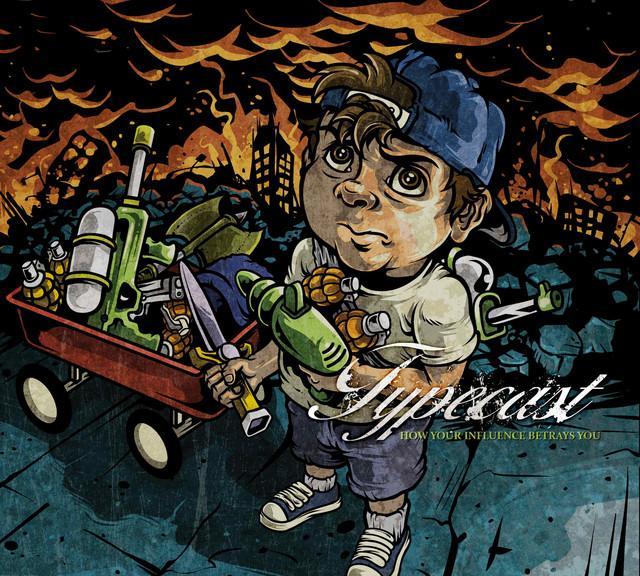
Kono Yakusoku by Typecast
The meaning of Kono Yakusoku Typecast comes through with unusual clarity: this is a song about keeping faith when love is tested by distance. Rather than chasing drama, the lyrics build a simple but powerful vow. One person stays behind, holds onto a promise, and refuses to let fear speak louder than devotion.
"Kono Yakusoku" - Typecast
Like I'll be breaking down again
One thing that keeps me sane is
Loading lyrics...
Unable to load lyrics
We're unable to display the lyrics at this time. Please try again later.
That directness is what gives the song its staying power. Even without many details about the couple’s situation, the emotional stakes feel real. The speaker sounds worn down, but not defeated.
A Promise Stronger Than Distance
At its core, the song is about emotional endurance. The opening admits strain and fragility, suggesting that separation has already hurt this relationship before. Yet the line of thought quickly turns toward the one thing that keeps the speaker steady: the promise they share.
That shift matters. The song is not only sad; it is disciplined. When they say they will keep waiting, the point is not passive longing. It is an active choice to remain loyal.
Short phrases like breaking down again
and the promise that we keep
frame the whole message. The first shows how hard this situation is. The second shows what keeps the speaker from falling apart.
Who the Song Seems to Address
The lyrics create a very intimate scene. The speaker watches the other person sleep, notices their calm strength, and silently wishes the moment could last. That image makes the relationship feel close and lived-in, not abstract.
From there, the song moves into encouragement. Lines like Be strong
and nothing for you to fear
sound almost like a goodbye at a station, airport, or hospital room. The exact setting is never named, and that ambiguity helps listeners project their own story onto it.
Interpretation: the song appears to be spoken from one partner to another during a forced separation. It could be about travel, work, military service, migration, or any situation where two people must trust love to survive time apart.
How the Lyrics Build Their Story
The emotional timeline is easy to follow:
- The speaker admits the pain is real.
- They remember the shared promise.
- They encourage the other person to go on.
- They declare they will wait until reunion.
That structure makes the song feel almost like a letter set to music. Even the repeated wording has a purpose. Each return to the main refrain sounds less like repetition and more like self-reassurance.
A key phrase is Distance, again our mortal enemy
. That line gives the song its conflict. The true threat is not a villain or betrayal. It is time, space, and the emotional wear that separation brings.
The Chorus Turns Waiting Into Courage
Many love songs treat waiting as weakness. This one treats it as strength. The chorus repeats the speaker’s commitment to remain present, emotionally and spiritually, even while physically apart.
That is why the later lines land so well. When the song says I will stay, I will wait
, it is not only romantic language. It becomes a personal code.
I will stay, I will wait
I will wait for you
Those words are simple, but that simplicity is the point. They strip love down to one test: can devotion survive uncertainty?
Symbols Hidden in Plain Sight
The song uses plain language, but several images carry symbolic weight:
- Sleep: a moment of peace before separation becomes real.
- Ground: emotional control, silence, and holding oneself together.
- Home: not just a place, but reunion and belonging.
- Promise: the bond that outlasts fear.
When the lyrics imagine the loved one coming home to me
, home becomes more than an address. It suggests emotional return, safety, and the restoration of a shared life.
Interpretation: the line about the ground breaking hints at crisis. Even if everything feels unstable, the speaker still chooses calm and bravery. That makes the promise sound tested, not naive.
Why the Song’s Sound Likely Matters
Typecast are widely associated with emotionally direct alternative rock and post-hardcore textures, a style that often pairs melodic vulnerability with forceful repetition. In a song like this, that approach matters because the lyrics depend on conviction more than complexity.
The writing by Steve Badiola, based on the information provided, suits that balance well. The lines are plainspoken and chorus-driven, which suggests a production built to lift the vow into something anthemic rather than ornate.
Even without quoting the full arrangement, listeners can hear how a song like this would benefit from:
- steady drums that mimic resolve,
- guitars that swell around the refrain,
- and a vocal delivery that sounds both tired and determined.
That blend helps explain the meaning of Kono Yakusoku Typecast: love here is not dreamy fantasy. It is a practice of staying true under pressure.
A Wider Cultural Echo
The title uses Japanese, with kono yakusoku meaning roughly “this promise.” That wording gives the song a ceremonial feel, as if the relationship is being held together by an oath rather than a passing emotion.
More broadly, Japanese music culture has long embraced themes of perseverance, longing, and emotional restraint. For example, the music-centered series Kono Oto Tomare!, first serialized in 2012 and later adapted into a 26-episode anime in 2019, became known for stories about dedication, teamwork, and feeling expressed through music (Wikipedia). That does not mean Typecast’s song is tied to that franchise; it simply shows how ideas of promise and endurance resonate strongly across Japanese-titled music and storytelling.
The Lasting Takeaway
In the end, the meaning of Kono Yakusoku Typecast is not complicated: love survives because someone chooses to keep the promise when keeping it is hard. The song’s emotional force comes from that choice being repeated again and again until it feels sacred.
Its strongest message is that waiting is not empty. In this song, waiting is proof.
Disclaimer: This interpretation is based on the lyrics provided and limited available context. As with any song, listeners may hear meanings that differ from this reading.







