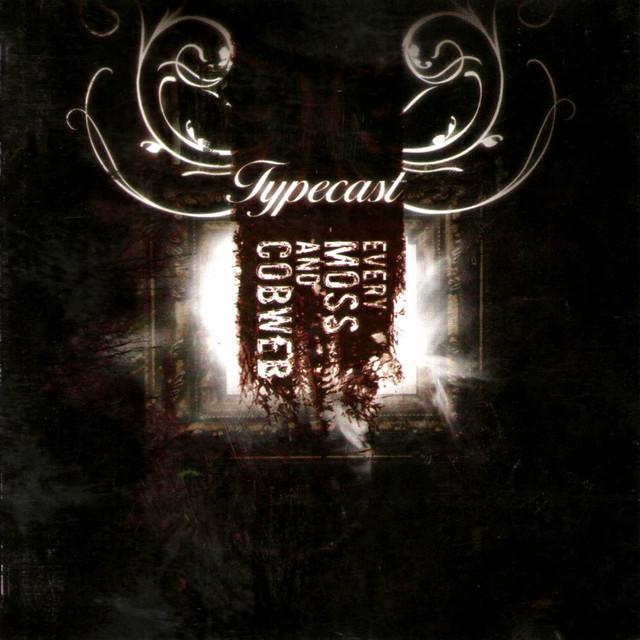
My Farewell by Typecast
The meaning of My Farewell Typecast comes through fast and hard: this is a breakup song spoken from the center of fresh pain. Its lyrics do not hide behind big metaphors or complicated storytelling. Instead, they focus on immediate loss, the feeling of being abandoned, and the urge to turn that pain into one final message.
"My Farewell" - Typecast
now I know I should go
She left me,left me here
Loading lyrics...
Unable to load lyrics
We're unable to display the lyrics at this time. Please try again later.
Typecast are a Filipino rock band often linked to emo, post-hardcore, and alternative rock scenes, a reputation reflected in coverage of the band and their place in the local scene (Wikipedia). That context matters because the song uses the emotional directness that defined much of early emo writing: simple words, repeated lines, and a feeling that the singer is barely holding things together.
A Breakup Song That Refuses Distance
At its core, the song is about someone who has just been left and cannot yet speak about it calmly. The opening idea, now I know I should go
, sounds like reluctant acceptance. They understand the relationship is over, but understanding is not the same as healing.
The next emotional turn is even sharper. When the singer says she left me
, the phrasing is plain and almost childlike. That simplicity is important. It makes the hurt feel real and immediate, as if the speaker has not had time to dress it up or make it poetic.
Interpretation: The song’s power comes from how little distance there is between the event and the response. They are not reflecting on heartbreak from months later. They are still inside it.
The Chorus Turns Grief Into Identity
The repeated idea I'm lost without you
is the emotional center of the track. It does more than say they miss someone. It suggests that the breakup has damaged their sense of direction and self.
That matters because the song does not frame love as a sad memory. It frames love as something that organized the speaker’s life. Once the relationship ends, the world does not just feel lonely—it feels unreadable.
A second key phrase, you ended this day
, deepens that feeling. On the surface, it marks a terrible moment. But it also makes the breakup sound world-ending, as if one person’s departure has shut off time itself.
Why the Repetition Matters
The chorus repeats the same pain instead of developing it. That is not a weakness. It mirrors how heartbreak often works. People in shock replay the same thought again and again, unable to move forward.
Interpretation: The repetition suggests emotional paralysis. They are trapped in the first wound, not yet able to tell a fuller story.
One Image Carries the Whole Song
The strongest image in the lyric is the line about paper becoming a ticket:
let this paper be my ticket
A oneway ride to nowhere
Paraphrased, the speaker imagines writing a goodbye note that also becomes an escape route. It is a vivid way to connect language and motion. The act of writing is not just communication; it is departure.
This image can be read in two ways:
- It is a literal farewell letter.
- It is an emotional exit from a life they can no longer bear.
The phrase oneway ride to nowhere
is especially bleak. A one-way trip usually means commitment, but “nowhere” removes hope from the journey. They are not heading toward a better future. They just want out of the present pain.
Sound and Style Support the Meaning
Even without a complex lyric sheet, the song’s likely impact comes from delivery. Typecast’s style, shaped by emo and alternative rock traditions, often leans on tension between melody and force. That combination suits a song like this.
A track built around urgent vocals, ringing guitars, and repeated emotional peaks would amplify the words’ desperation. The melody likely carries the sadness, while the band’s heavier edge gives the speaker’s grief a physical push. Instead of sounding quiet or reflective, the song feels like pain spilling over.
This is why the song’s plain language works. In emo-influenced music, emotional truth often comes less from literary complexity and more from vocal conviction, dynamic swells, and repeated hooks.
A Small Story With Big Feelings
Narratively, the song moves in a short arc:
- They realize the relationship is over.
- They name the abandonment.
- They confess disorientation.
- They turn to a written goodbye.
- They end in repetition rather than resolution.
That last point is crucial. There is no lesson, no mature closure, and no sign that they are ready to move on. The farewell is not peaceful. It is raw, unfinished, and wounded.
An Alternate Reading
Interpretation: While most listeners will hear a romantic breakup, the song can also be heard as a collapse of personal identity. The lost feeling is so complete that the other person seems tied to the speaker’s whole emotional structure. In that reading, the farewell is not just to a lover but to the self they were before the abandonment.
Why the Song Still Connects
The meaning of My Farewell Typecast lasts because it captures a stage of heartbreak many songs skip: the first stunned moment. It does not offer wisdom. It offers recognition.
For listeners, that can be enough. The song understands what it feels like when grief is repetitive, language is simple, and every thought circles back to the same absence. Its honesty is what gives it weight.
In the end, “My Farewell” is less about saying goodbye well than about failing to survive goodbye neatly. That is exactly why it feels believable.
Disclaimer: This article offers an interpretation of the song based on its lyrics, performance style, and publicly available artist context. Meanings can vary from listener to listener.








