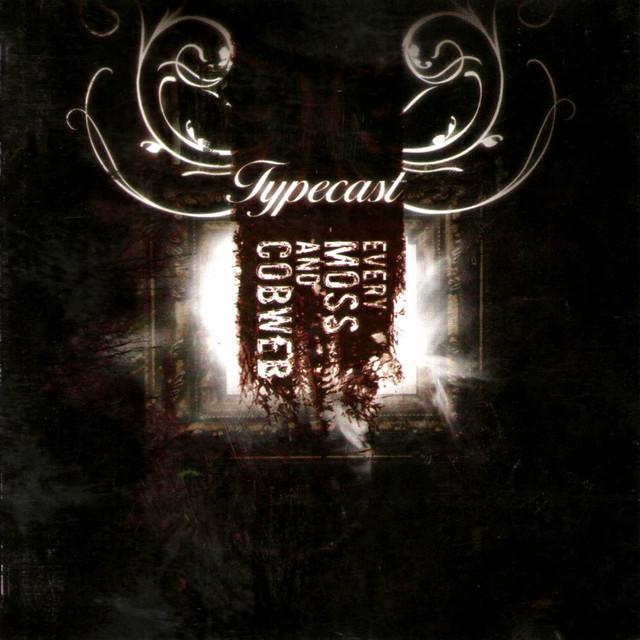
Why 'The Boston Drama' Still Hurts
The meaning of The Boston Drama Typecast centers on a breakup that still feels unfinished. Rather than sounding cold or angry, the song speaks from a place of ache, memory, and stubborn hope. Its narrator seems to know the relationship is damaged, yet they keep imagining a return.
"The Boston Drama" - Typecast
Can this be a sequel of my dying hope?
Chasing down a never ending make-believe
Loading lyrics...
Unable to load lyrics
We're unable to display the lyrics at this time. Please try again later.
That tension is what gives the song its pull. It is not just about losing someone. It is about trying to make sense of distance when the heart has not caught up to reality.
A breakup song built on distance and denial
At its core, the track describes someone replaying a failed relationship while asking whether it can still be saved. Early on, the narrator dismisses shallow romance through standard pick-up lines
, suggesting they want something more real than flirtation or routine charm.
From there, the song slides into emotional exhaustion. When they mention a dying hope
, it frames the relationship as something already fading. Even so, they do not fully let go. They keep pushing against the end, almost trying to talk themselves back into belief.
Interpretation: This is why the song feels dramatic in the best way. The narrator is not simply heartbroken; they are caught in the stage where pain and hope exist at the same time.
Who they are singing to
The song addresses a specific person, likely an ex-partner who has either moved away or become emotionally unreachable. The line about coming back in a heartbeat
shows how quickly the narrator would accept reunion.
That detail matters because it reveals the power imbalance in the lyric. One person is gone, while the other is still waiting. The emotional center of the song is not revenge or blame. It is desire mixed with uncertainty.
The Boston question matters most
The most striking image is the question about Boston. When the narrator asks how the city is without them, Boston becomes more than a location. It feels like a symbol of separation, a place where the relationship now exists only in memory.
Interpretation: Boston may be literal, but it also stands for the life the other person now lives elsewhere. The pain comes from imagining that world continuing without the narrator in it.
How the lyrics move from memory to desperation
The song unfolds in a clear emotional sequence:
- They reject fake romance and empty lines.
- They admit hope is fading.
- They imagine reunion and shared space again.
- They confront absence and do not know how to move forward.
That arc gives the song its emotional logic. It starts with disappointment, then moves into fantasy, then lands in grief.
Later, the narrator says the other person’s image is stamped inside their heart. That image turns memory into something physical, almost permanent. This is not a passing crush. It is emotional residue that lingers even after the relationship is gone.
The song's key themes: memory, proof, and fixation
One of the strongest parts of the lyric is the language of evidence. The narrator says the signs are showing, as if trying to prove the depth of their feelings. That wording is interesting because love is usually treated as emotion, not fact.
Interpretation: By using terms like evidence and apprehension, the song makes heartbreak sound like a case being built. The speaker is gathering emotional proof that this bond mattered and that their feelings were not imagined.
There is also a repeated tension between fantasy and steadiness. The song mentions make-believe
but also calls the other person a match of consistency. That contrast suggests the narrator knows some of their hope may be unrealistic, yet they still see the lost partner as the one stable thing in their emotional world.
Why the sound likely amplifies the message
Typecast are commonly associated with melodic emo and pop-punk energy, a style known for pairing big hooks with vulnerable confession. Even without confirmed production details here, the lyrics strongly suggest a performance style built on urgency rather than restraint.
That matters because this kind of writing works best when the arrangement pushes emotion outward. Fast-strummed guitars, upward-surging choruses, and a voice on the edge of cracking would all fit the song’s emotional design.
The likely role of melody and pacing
A song like this usually gains power from contrast:
- tighter verses for reflection
- wider choruses for longing
- repeated melodic phrases to mirror obsession
Interpretation: If the melody opens up around the Boston line, that would make sense. It is the lyric’s biggest emotional leap, taking private heartbreak and projecting it onto a whole city.
A second reading: not just romance, but identity
There is another useful way to hear the song. It may not be only about missing a partner. It can also be heard as the fear of being erased from someone else’s future.
When the narrator wonders what Boston is like without them, the question is really about replacement. Has the other person moved on so fully that the relationship has become invisible? That fear gives the song an added sting.
In this reading, heartbreak becomes a crisis of meaning. The narrator is not only asking, “Do they miss me?” They are also asking, “Did what we had leave any mark at all?”
Why the song still connects
The meaning of The Boston Drama Typecast lasts because it captures a very recognizable emotional stage: the moment after a breakup when memory feels stronger than fact. The relationship may be over, but the inner conversation is still going.
That is why the song feels intimate and dramatic without becoming confusing. Its images are simple, but they point to a bigger truth. People do not just lose relationships; they lose routines, imagined futures, and versions of themselves.
Final takeaway
Typecast’s song turns distance into drama and memory into something almost physical. It shows how heartbreak can feel both deeply personal and strangely geographic, as if one city, one street, or one question can hold an entire failed love.
Disclaimer: This interpretation is based on the available lyrics and publicly understood musical context. Like most songs, it can support more than one valid reading.







