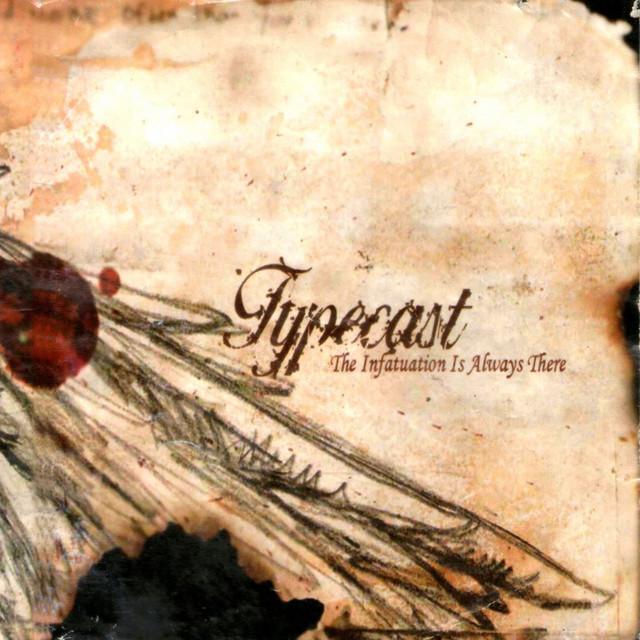
The Infatuation Is Always There by Typecast
A Crush That Feels Bigger Than the Room
The meaning of The Infatuation Is Always There Typecast centers on a crush so intense that it starts to feel like a private emotional emergency. The lyrics do not describe a mature romance. Instead, they capture the awkward, shaky, almost painful stage before anything really happens.
"The Infatuation Is Always There" - Typecast
What you're trying to say
No need to say it I am leaving
Loading lyrics...
Unable to load lyrics
We're unable to display the lyrics at this time. Please try again later.
They present a speaker who seems trapped between retreat and desire. They say they are leaving, but they also beg the other person not to go. That contradiction is the heart of the song: this is what infatuation sounds like when it overwhelms self-control.
What the Lyrics Are Really Saying
At a basic level, the song follows someone who cannot stop watching a person they like. They are close enough to see every detail, but not close enough to speak honestly. That gap creates the tension.
Early on, the singer frames the moment with emotional confusion. They understand what is happening, yet they still cannot handle it calmly. When the lyric focuses on look at you
, it shows passive longing rather than connection. They are not in a relationship; they are frozen at the edge of one.
Interpretation: The song is not only about attraction. It is about how attraction can strip away confidence. The speaker seems aware that they are acting irrationally, but awareness does not help.
Desire, Panic, and Self-Consciousness
One of the strongest parts of the lyric is how physical the feeling becomes. The phrase hard to breathe
turns a crush into a body-level experience. This is not casual admiration. It feels more like anxiety mixed with excitement.
The image of big blue eyes
adds to that loss of control. Instead of describing a full personality or a real relationship, the singer fixates on one detail. That is a classic sign of infatuation: the loved person becomes almost dreamlike, more symbol than person.
Then the song gets even more revealing. The speaker says words do not matter much and that simple signs of warmth would be enough. In other words, they are so emotionally invested that even a smile feels meaningful. That makes the song sweet, but also sad. They are building a whole emotional world from very little.
The Story Hidden in the Room
The lyrics work because they place the drama in an ordinary setting. The line two tables away
gives the crush a physical location. That small detail makes everything vivid.
The listener can imagine the scene:
- The speaker notices someone nearby.
- They become fixated and visibly overwhelmed.
- They want to talk but cannot.
- The feeling grows until it turns inward as self-hate.
That last move matters most. By the end, the song is not just about liking someone. It is about what happens when that feeling collides with fear. The admission I hope you like me too
is tender, but it also exposes how fragile the speaker has become.
Why the Last Lines Hit So Hard
The closing idea gives the song its emotional sting. The singer says this kind of infatuation was not common before, but now it feels unbearable. Then comes the brutal self-judgment.
Infatuation's never there
But now it's killing me
I really hate myself
Paraphrased, the speaker is saying: this used to be unfamiliar, and now it has taken over completely. That jump from fascination to self-loathing is what keeps the song from being a simple crush anthem.
Interpretation: The final emotional target is not the crush. It is the self. The speaker feels defeated by their own inability to act.
How the Sound Likely Supports the Meaning
Typecast are widely associated with emotionally driven alternative rock and post-hardcore textures, especially in the Philippine rock scene, as noted in band profiles and music databases such as Discogs and Last.fm. Even without firm session details here, the lyric suggests a style built for emotional escalation.
A song like this works best when the arrangement mirrors the narrator’s inner pressure. Listeners can reasonably expect guitars that swell rather than swing, drums that push urgency, and vocals that sound strained instead of polished. If the performance leans tense and breathy, that would match the words perfectly.
Interpretation: The production likely matters because infatuation is not presented as calm beauty. It is presented as pressure, fixation, and emotional overload.
A Bigger Theme Beneath the Crush
The song also speaks to a familiar young-adult feeling: being emotionally articulate inside their head but powerless in real life. They know what they feel. They even know it is irrational. Still, they cannot cross the room.
That is why the meaning of The Infatuation Is Always There Typecast feels relatable. It is less about romance than about vulnerability. The crush becomes a mirror, showing the speaker how uncertain they are, how badly they want approval, and how quickly longing can become shame.
Why the Song Still Connects
What makes the track memorable is its honesty. It does not glamorize desire. It shows the embarrassing side of it: staring too long, overreading small gestures, and feeling ridiculous while doing it.
That emotional realism gives the song its staying power. Many love songs celebrate confidence or destiny. This one stays with the nervous moment before anything begins.
Final Take
Typecast’s song captures the instant when attraction becomes consuming and painful. It turns a simple crush into a portrait of panic, passivity, and self-doubt.
That is the clearest reading of the track, though song meaning can vary from listener to listener. This interpretation is based on the lyrics provided and broader artist context, and other listeners may hear different shades of emotion in it.







