
I Still Haven't Found What I'm Looking For by U2
Why would a No. 1 hit build its hook on not having the answer? That paradox is the heart of the meaning of I Still Haven't Found What I'm Looking For U2: a restless, gospel-tinged search that refuses easy closure.
"I Still Haven't Found What I'm Looking For" - U2
I have run through the fields
Only to be with you
Loading lyrics...
Unable to load lyrics
We're unable to display the lyrics at this time. Please try again later.
Restless Faith, Not Easy Answers
At its core, the song wrestles with desire that outlives achievement. The narrator claims they’ve climbed the highest mountains
—a picture of effort and ambition—yet the longing persists. They name passion, morality, and belief, and still admit the gap between life and fulfillment.
Interpretation: U2 frame spiritual hunger inside everyday images. The song blends American gospel feeling with Irish rock melancholy, turning doubt into devotion. It’s not cynicism; it’s honest faith-in-motion.
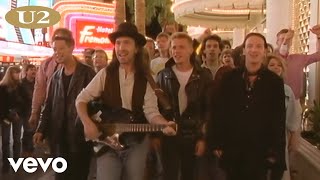
Watch the official I Still Haven't Found What I'm Looking For
music video
Who’s Talking, and to Whom?
The voice is first-person, addressing a “you” who could be a lover, God, or the ideal self. Phrases like only to be with you
hint at intimacy, but the third verse’s religious imagery tilts the addressee toward the divine. The ambiguity is the point: the song welcomes multiple listeners at once.
The Journey in Three Clear Scenes
- Scene 1: Physical striving. Trekking across land and city—think
climbed the highest mountains
—the narrator chases union and purpose. - Scene 2: Emotional and moral extremes. Sensual warmth and moral cold sit side by side:
tongue of angels
versusheld the hand of a devil
. Experience alone can’t close the distance. - Scene 3: Theology and release. Hopes of a “kingdom come,” when
colors will bleed into one
, meet images of redemption—bonds broken, blame carried—yet the pursuit continues.
The Refrain as Confession and Fuel
But I still haven’t found What I’m looking for
The hook is a confession and a motor. Interpretation: admitting lack doesn’t sap belief; it renews it. By returning to the line, the singer tells us searching is a faithful act, not a failure.
Symbols That Do the Heavy Lifting
- Mountains and fields: effort and pilgrimage, the grit behind longing.
- City walls: modern barriers—systems, status, or self—harder to scale than cliffs.
- Angels and devil: purity and temptation, the full range of human experience.
- Bleeding colors: division fading into unity, a vision of grace or clarity.
- Chains and cross: liberation and substitution—
carried the cross
signals Christian atonement, while broken bonds imply freedom from shame.
These images allow the song to speak to believers and skeptics alike. You can hear a love song, a prayer, or both.
How Sound and Studio Choices Shape the Meaning
The music pulls the lyrics upward. Producer Daniel Lanois pushed Bono toward a gospel spirit, while Brian Eno’s textures add atmosphere. Edge’s chiming arpeggio works like church bells—clear, repeating, and steady—so the search feels hopeful, not bleak. Larry Mullen Jr.’s distinctive beat (born from an experimental demo) gives the track a signature stride, like a determined walk.
Recorded in 1986 at Danesmoate House in Dublin and released May 25, 1987 on The Joshua Tree, the single blended rock with gospel inflection. Choir-like backing vocals by Edge, Eno, and Lanois make the chorus feel communal, as if the crowd joins the quest. The approach resonated: it reached No. 1 on the U.S. Billboard Hot 100 and became a live centerpiece. U2 later performed it with a Harlem gospel choir in the Rattle and Hum era, underscoring its spiritual DNA.
Alternate Readings That Hold Up
- Romantic search: The “you” is a lover; the song weighs passion against a deeper ache no relationship can fully satisfy.
- Spiritual pilgrimage: The “you” is God; the verses map doubt and discipline on the way to grace.
- Purpose and identity: The “you” is calling; artistic or moral wholeness stays just ahead, urging growth.
Interpretation: The power lies in refusing to choose only one. By blending sacred and secular language, the band invite listeners to supply their own missing piece.
The Takeaway People Remember
The meaning of I Still Haven't Found What I'm Looking For U2 isn’t about failure—it’s about honest longing that keeps faith alive. They turn uncertainty into a chorus everyone can sing, making the journey itself the point.
Disclaimer: This analysis reflects critical interpretation drawn from documented facts about the song’s release, production, and reception. Listeners may hear different meanings, and that’s part of the song’s design.









