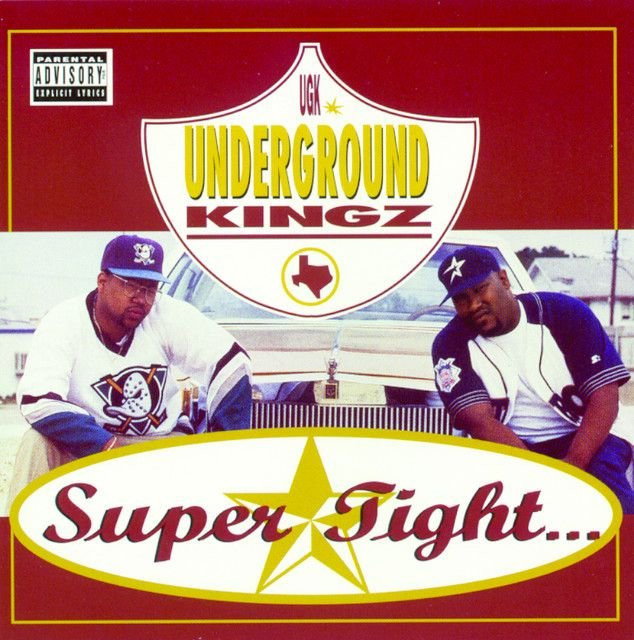
How UGK Turned a Car Anthem Into Identity
The meaning of Front, Back & Side to Side UGK starts with cars, but it does not end there. On the surface, the song is a celebration of candy-painted rides, hydraulic switches, loud trunks, and street status. Under that, it works like a statement of regional identity. UGK use the car as a symbol of pride, style, control, and Southern Black self-expression.
"Front, Back & Side to Side" - UGK
Got front and back, and side to side
Got front and back, and side to side
Loading lyrics...
Unable to load lyrics
We're unable to display the lyrics at this time. Please try again later.
Released on Super Tight... in 1994, the song became one of UGK’s best-known early records and later reached a wider audience when T.I. built his 2006 song Front Back around it. That later reuse shows how deeply the record shaped Southern rap culture.
More Than a Sunday Cruise
At its core, the track is about showing who they are through what they drive and how they ride. The repeated hook, front and back, and side to side
, refers to a car moving on hydraulic switches. But the phrase also signals total presence. They are not just passing through the neighborhood; they are making sure everyone sees them.
The verses stack detail after detail: paint, rims, interiors, sound systems, license plates, and neighborhood routes. Those details matter because they turn the car into a public identity card. In this world, taste and authenticity are visible. A clean car says discipline, money, patience, and local credibility.
Interpretation: The song is not only bragging. It is also about control in a world where respect must often be claimed, not given. When they say never let ho-ass niggas ride
, they draw a hard line around who gets access to that status.
Watch the official Front, Back & Side to Side
music video
A Southern Rap Snapshot in Motion
UGK came from Port Arthur, Texas, and their music helped define the sound and attitude of Southern rap in the 1990s. On this song, they place themselves in a wider Gulf Coast map: Houston, New Orleans, and other Southern cities linked by shared car culture. That regional pride is part of why the record lasted.
The lyrics name real habits from that scene: slab-style customization, Dayton rims, plush interiors, trunk-rattling speakers, and switch-hitting. This is not abstract boasting. It is reporting from inside a lived culture.
The car as a trophy and a stage
The song treats the car as both object and theater. They ride, circle the block, get noticed, and perform confidence. One verse describes seeing women, doubling back, and then making the car jump to grab attention. The ride becomes a stage set for flirtation, competition, and neighborhood recognition.
Got front and back, and side to sideNever let ho-ass niggas ride
Those lines capture the whole message: movement, spectacle, and strict boundaries.
What Each Voice Adds
Bun B and Pimp C always balanced each other, and this song shows that clearly. Bun B sounds measured and observant. They list features and locations with the calm certainty of someone who knows the value of every detail. That gives the song its documentary feel.
Pimp C, by contrast, brings louder swagger and a more unruly energy. Their verse pushes the song toward raw humor, erotic flexing, and intimidation. Together, the two approaches create a full picture of UGK’s appeal: polished game on one side, wild charisma on the other.
A guest verse from Smoke D adds even more local flavor. It widens the scene and makes the record feel communal, like a rolling block party made of overlapping voices and shared codes.
How the Production Carries the Meaning
The beat is crucial to the meaning of Front, Back & Side to Side UGK. The track has a low, heavy groove that feels built for slow cruising rather than rushing. That matters. The song is about being seen, and a slower, thicker rhythm gives the listener time to take in each image.
There is also a strong funk pull in the production. The writing credits include members of The Meters, a sign of the song’s connection to deep Southern funk traditions through interpolation or sampling lineage. That gives the record bounce and warmth instead of a cold, hard edge.
The result is musical motion that matches the subject. The beat lurches and rolls like a car on hydraulics. The hook repeats like a chant at a car meet. Even without seeing the scene, listeners can hear the lift, dip, and swing.
Brag Rap With a Deeper Social Meaning
It would be easy to hear the song as simple materialism. Certainly, it is full of flexing. But in Southern rap, especially in the 1990s, car customization often meant more than buying luxury. It meant transforming what they had into something unmistakably their own.
That is why the song feels creative, not just expensive. The ride is customized art. The neighborhood becomes a gallery. Every detail says they refuse to be plain, invisible, or easy to dismiss.
Interpretation: The song can also be heard as an answer to coastal rap hierarchies. In the mid-1990s, Southern artists were still fighting for national respect. By obsessing over local style, UGK flip that insecurity into power. They do not ask for approval; they show mastery.
Why the Song Still Lasts
Part of the song’s staying power comes from its specificity. It names places, objects, and habits so clearly that the world feels real. Another reason is the hook. It is catchy, physical, and easy to remember.
But the deeper reason is that the song turns lifestyle into meaning. The car is freedom, image, craft, masculinity, and hometown pride all at once. That mix helped the song outlive its moment and become part of Southern rap canon.
In the end, the meaning of Front, Back & Side to Side UGK is about more than a tricked-out vehicle. It is about how style becomes language and how motion becomes identity. Through cars, UGK show listeners a whole social world where respect rides on chrome, paint, sound, and presence.
Disclaimer: This article offers an informed interpretation based on the song’s lyrics, context, and cultural history. Meanings can vary by listener.








