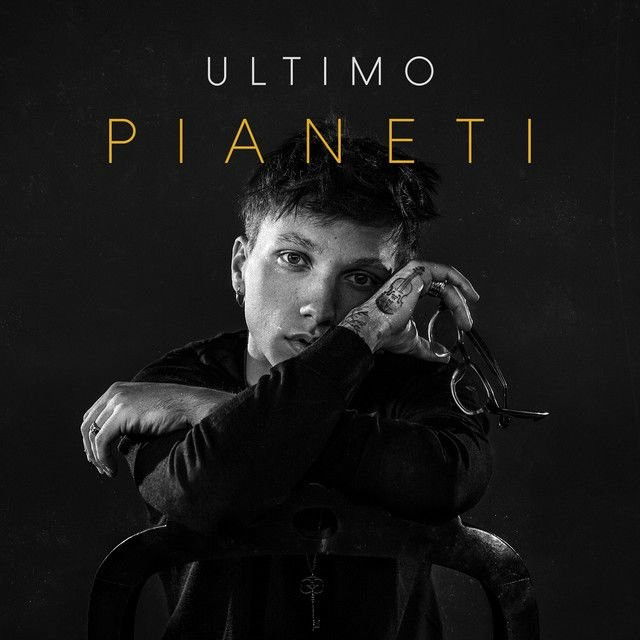
Pianeti by Ultimo: Love, Waiting, and Escape
The meaning of Pianeti Ultimo centers on a simple but powerful idea: love can make pain feel survivable, and imagination can make a broken world feel bigger than it is. In this song, they present waiting not as weakness, but as a way to stay connected to someone, to memory, and to the self.
"Pianeti" - Ultimo
Dove il giorno non arriva se non ci sei tu
Dove anche i miei segreti, poi, si spogliano
Loading lyrics...
Unable to load lyrics
We're unable to display the lyrics at this time. Please try again later.
Written by Niccolò Moriconi, the Roman singer-songwriter known as Ultimo, the track carries the emotional directness that helped define his early work. Facts about authorship and release are usually tied to Ultimo's official discography and major music databases such as Sony Music Italy and Discogs.
Where the Heart of the Song Lives
At its core, "Pianeti" is about almost losing someone and realizing too late how real that bond was. The speaker keeps returning to the idea of waiting. They imagine impossible places where fear is accepted, wounds are softened, and the loved person might still arrive.
That emotional logic matters more than literal plot. The song is not telling a neat story with clear events. Instead, it moves through feelings: longing, regret, memory, and hope. When the lyric says Io ti aspetto
, it is not just a promise. It becomes a whole emotional worldview.

Watch the official Pianeti
music video
Waiting as a Way to Survive
One of the song's smartest choices is its treatment of waiting. In many love songs, waiting means being stuck. Here, waiting becomes productive. The narrator says they can find themselves through that pause, almost as if absence creates clarity.
Interpretation: this suggests that the missing person has become the center of the narrator's inner life. They are not only waiting for someone to return. They are waiting for their own life to make sense again.
That is why the song feels both romantic and existential. It is about a relationship, but also about identity.
The Images That Explain Everything
Ultimo fills the track with dreamlike locations: a bar, the sea, a room suspended in the sky, a Ferris wheel, stars, windows, stones, and planets. These are not random details. They create a world halfway between reality and fantasy.
The key line is the image of fantasy turning stones into worlds. The phrase trasforma in pianeti i sassi
gives the song its title and its thesis. Ordinary things stay ordinary in a hard life. But love, art, and hope can enlarge them.
That image also connects to Ultimo's style as a writer. Their songs often use plain language mixed with oversized feeling. Here, a small object becomes cosmic. That leap mirrors what heartbreak does: it makes everything feel huge.
Regret Runs Through the Chorus
The song's refrain lists what has been lost: chances, time, movement, understanding. The narrator admits they missed flights and trains, but then says they found the world under their feet. That contrast is crucial.
It means failure did not end them. Loss taught them how to see. The loved person may not have understood them when they shouted through songs, but music still became the place where truth survived.
E ho perso voli
E ho perso treni
These brief lines land because they are concrete. Missed rides stand for missed moments, missed timing, and emotional distance. The narrator was late to understanding, and maybe late to love.
Who Is the Song Speaking To?
On the surface, the song addresses a beloved person. The later lines make that clear by stressing how close both people came to losing each other. The final confession frames that person as the only thing that ever felt fully real.
Interpretation: there is also a second audience here. The song may be speaking to art itself. When the narrator links lost time to songs, they imply that writing was their way of surviving loneliness. In that reading, the "you" is both a person and a source of meaning.
This double reading gives "Pianeti" depth. It works as a breakup-adjacent love song, but also as a statement about why sensitive people create.
How the Sound Carries the Message
Even without quoting much of the text, listeners can hear the meaning in the arrangement. Ultimo is strongly associated with piano-driven pop and emotional ballad writing, a style noted across profiles and live coverage from outlets like AllMusic and Rockol.
In "Pianeti," that kind of production matters. The piano creates intimacy first. Then the melody opens up, and the vocal grows more forceful. The result feels cinematic without losing vulnerability.
That rising shape mirrors the lyric's movement from private hurt to universal longing. They begin in enclosed spaces, then lift everything upward toward stars, sky, and planets. The production makes that expansion feel believable.
Why the Song Connects So Deeply
The meaning of Pianeti Ultimo resonates because it joins two feelings many listeners know well:
- regretting what they did not say in time
- needing hope even when life feels heavy
- turning imagination into emotional survival
The song does not pretend pain is pretty. It includes anxiety, silence, distance, and self-blame. But it also insists that beauty can grow from those things. A stone can stay a stone, or it can become a planet in the mind of someone who still believes.
Final Reading: A Love Song That Thinks Like a Poem
In the end, "Pianeti" is best understood as a song about near-loss and emotional transformation. The narrator looks at love as the one truth that gave shape to everything else. Waiting becomes purpose. Regret becomes insight. Fantasy becomes a tool for staying alive.
That is why the song feels larger than its plot. It is not just about missing someone. It is about needing one real thing in order to face the chaos around them.
Disclaimer: This interpretation is based on the song's lyrics, performance, and publicly known artist context. Like most poetic songs, "Pianeti" can support more than one valid reading.







