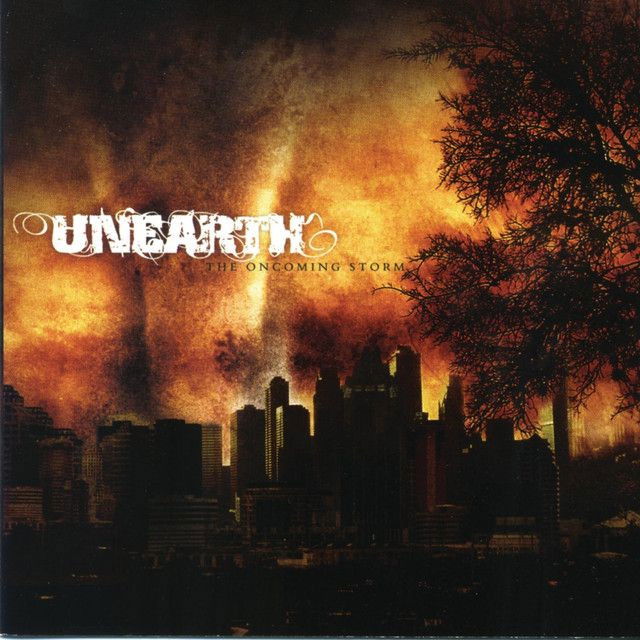
Zombie Autopilot by Unearth
A Metalcore Warning Against Sleepwalking Through Life
The meaning of Zombie Autopilot Unearth centers on spiritual numbness, social conformity, and the fear of living without real purpose. The song does not present zombies in a horror-movie sense. Instead, it uses that idea as a metaphor for people moving through modern life half-awake, trapped by routine, pressure, and group thinking.
"Zombie Autopilot" - Unearth
I ran into this one yet unfamiliar tone I know I should have known
It was last night I knew I should have known
Loading lyrics...
Unable to load lyrics
We're unable to display the lyrics at this time. Please try again later.
Unearth have long been known in the American metalcore scene for mixing aggression with message. According to the band’s official site, they built their reputation on heavy riffs, hardcore urgency, and socially aware writing. That context matters here, because this song sounds like an attack, but its real target is passivity.
The opening puts the listener in a late-night, in-between state. A midnight train ride suggests motion without freedom, a person being carried somewhere rather than choosing the path. When the singer hears an unfamiliar tone
they feel they somehow already knew, the song hints at recognition: the problem is not new, just ignored.
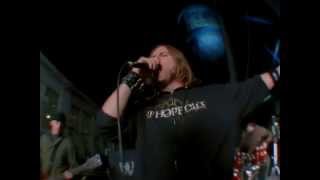
Watch the official Zombie Autopilot
music video
The Core Idea Beneath the Chaos
At its heart, the track argues that many people are alive physically but disconnected mentally and morally. The lyric about busy minds asleep
captures the contradiction well. People are active, overworked, and overloaded, yet they are not truly awake.
That tension drives the whole song. The characters in it are not lazy. They drudge across the land
and meet increased demands
. The problem is that effort without reflection becomes automation. The song asks whether this is really the life people imagined, then answers with a bleak picture of an eternal nightmare
.
Interpretation: Unearth seem to be criticizing a culture where productivity replaces thought. People keep moving, keep planning, and keep obeying expectations, but lose contact with deeper values, empathy, and imagination.
How the Lyrics Build a Social Critique
The strongest part of the writing is how it shifts from one person’s moment of realization to a wider human problem. It begins with a personal scene, then quickly moves into we
and all of us
. That change matters. The song is not blaming one villain. It is describing a shared condition.
The middle section paints a society that has normalized emotional and moral shutdown. They describe humanity as defeated and boxed into systems that feel natural only because people have lived inside them too long. The line about hiding behind plans suggests false control. People make schedules, goals, and structures, but those things may actually become a cage.
We weep in self defeatAll humanity is lostAll days are lostFree us
This is the song’s emotional center. Paraphrased, the message is that collective despair has become routine, and people barely notice it anymore. The final plea for release breaks the numbness for a second. It sounds less like confidence than desperation.
Dreamers, Blindness, and the Loss of Inner Life
One of the song’s most important ideas appears near the end, when it says a piece of mind
is gone and dreamers have disappeared. That image pushes the song beyond simple anger. It becomes a lament.
The loss of dreamers means the loss of people who question systems, seek wisdom, or imagine better futures. In that reading, the true horror is not violence but reduced consciousness. The repeated image of blindness supports this. People are not evil in a cartoon way; they are unable or unwilling to see each other clearly.
Interpretation: The song may be mourning a culture that rewards obedience more than curiosity. It suggests that once imagination fades, society becomes easier to control and harder to heal.
Why the Sound Hits So Hard
The meaning of Zombie Autopilot Unearth is strengthened by the band’s musical approach. Unearth are widely associated with metalcore, a style that combines thrash-influenced guitar work, breakdowns, and hardcore intensity; AllMusic places them firmly in that tradition. In a song like this, the genre itself becomes part of the message.
The guitars feel mechanical and punishing, which mirrors the idea of repetitive, dehumanizing motion. Fast passages create mental overload, while the heavier rhythmic drops feel like the body being forced into line. The shouted vocals are crucial too. They do not sound detached or poetic. They sound urgent, as if they are trying to shake listeners awake.
This matters because the lyrics alone could be read as abstract. The production makes them physical. The sharp attack of the instruments turns social criticism into lived stress. The listener does not just understand the nightmare; they feel its pressure.
More Than One Way to Read It
There is a clear social reading, but the song also allows a more personal one. It can describe depression, burnout, or dissociation. In that version, the zombie state is individual: a person going through motions, aware something is wrong but unable to break the pattern.
A second reading is political. References to control, blindness, and meeting demands can suggest systems of power that train people to accept less freedom than they think they have. The song never gets specific, which is part of why it stays effective. Its vagueness lets different listeners map the message onto work culture, media culture, politics, or private mental struggle.
Final Take on Its Meaning
Zombie Autopilot is best understood as Unearth’s furious portrait of modern numbness. It says that people can be overactive yet spiritually asleep, connected by systems yet cut off from one another, and so conditioned by pressure that they forget how to dream.
That is why the song still lands. Beneath the riffs and rage is a simple warning: if people stop questioning the life they are pushed into, they risk becoming machines inside their own bodies.
Disclaimer: This interpretation is based on the lyrics, the band’s genre context, and publicly available information. As with most songs, listeners may reasonably hear different meanings in it.








