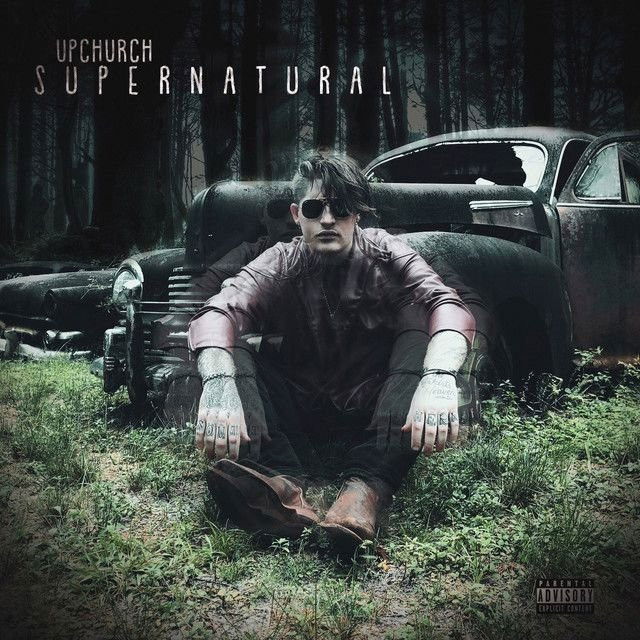
My Neck of the Woods by Upchurch
The meaning of My Neck of the Woods Upchurch starts with a simple idea: home is not just a place on a map. In this song, it is a memory bank, a badge of identity, and a promise that some roots never leave. Upchurch builds that meaning through snapshots of back roads, water towers, football fields, and old teenage habits.
"My Neck of the Woods" - Upchurch
Joe Diffie tunes hummin' out the radio
And the night so young as we are right now
Loading lyrics...
Unable to load lyrics
We're unable to display the lyrics at this time. Please try again later.
They are not telling one dramatic story here. Instead, they stack lived-in images until the town feels real enough to touch. The result is a song about pride, nostalgia, and the strange way a hometown can seem unchanged even when a person’s life has grown far beyond it.
Where the Song Plants Its Flag
At the center of the track is a repeated return to local scenery: a truck on a one-lane road, older country music on the stereo, and a town landmark that still looks the same. When Upchurch describes the water tower and names painted in John Deere Green
, they are pointing to a classic small-town ritual of leaving proof that young people were there.
That detail matters because it turns the town into a shared memory. The paint may be faded, but the feeling is not. The chorus argues that the place still looks good
, which is less about physical beauty than emotional value.
Interpretation: the song treats home as a place frozen in feeling, not in time. Even if things have aged, the emotional picture stays bright.

Watch the official My Neck of the Woods
music video
Small-Town Memories as Identity Markers
The verses fill in what that hometown meant during youth. There are stop signs ignored, blacktop roads tested at unsafe speeds, cassette tapes blasting, and a lot of reckless energy. These details are not random. They show how a town teaches its own code of freedom, boredom, thrill-seeking, and belonging.
When the song mentions country boys, we can survive
, it nods to a country tradition of toughness and self-reliance. That phrase is doing cultural work. It links Upchurch’s story to older Southern and country icons, including the Joe Diffie name-drop and the reference to Duke boys
fantasy.
Together, those lines suggest that the speaker learned who they were through local myths as much as real life. Pop culture, country radio, and hometown roads all blended into one identity.
The Chorus Turns Place Into Emotion
The hook is catchy because it keeps circling back to the same phrase: my neck of the woods
. In plain terms, that means their corner of the world. But emotionally, it means much more. It becomes shorthand for safety, memory, reputation, and origin.
The chorus also contrasts movement with stillness. The truck is kicking up dust, yet the town feels frozen in time
. That tension is the heart of the song. Life moves, careers change, people leave, but home stays lodged in memory as a fixed picture.
Why the repetition works
By repeating the town images, the song mirrors how memory works. People do not remember every detail equally. They come back to the same signs, roads, songs, and landmarks over and over. Upchurch writes the chorus almost like that mental loop.
Fame, Legacy, and the Return Home
One of the most revealing verses shifts from teenage memories to adult reflection. Upchurch starts thinking about death, tattoos, songs, and sold-out shows. That turn broadens the song from local nostalgia into a legacy statement.
They are saying that even after success, the hometown remains the frame around the whole story. The stages across the country matter, but so does the road by the water tower. In effect, the song measures fame against where they started.
Interpretation: this is why the track feels more mature than a simple back-road anthem. It is not only about loving home. It is about wanting a life story to make sense when viewed from home.
my end of the road
Friday night at Sonic
That brief image of the football field and Sonic parking lot captures how ordinary places become sacred in memory. A chain restaurant lot is not glamorous, but in a hometown song, it becomes social history.
How the Sound Carries the Message
Upchurch is widely known for mixing country, rap, and rock in their catalog, a crossover identity documented on their official channels and public artist profiles. That matters here because the song’s production feels rooted in country imagery without sounding overly polished or distant. The likely goal is authenticity rather than perfection.
The instrumental mood suggested by the lyrics is warm and open-road friendly: steady groove, sing-along chorus, and enough drive to feel like motion without losing the reflective tone. The Joe Diffie reference also cues a musical lineage. Even without quoting interviews, listeners can hear this song as part tribute, part self-portrait.
A Song About Place, or About Permanence?
A second reading is possible. On the surface, the song celebrates a town. Underneath, it may be asking what actually lasts. Rope swings go unused, paint fades, and youthful chaos becomes memory. Yet the song insists the place has not really aged.
That is not literal. It is emotional truth. Home survives because people keep rebuilding it in memory.
What My Neck of the Woods Ultimately Means
The meaning of My Neck of the Woods Upchurch is about more than country scenery. It shows how a hometown can become part autobiography, part mythology, and part final resting place for a person’s sense of self. Upchurch turns local images into a bigger statement: success may carry them outward, but identity still points back.
For many listeners in the United States, that is why the song lands. It understands that home can be messy, loud, faded, and still deeply loved.
Disclaimer: This interpretation is based on the released lyrics and publicly known artist context. As with any song, meaning can vary from listener to listener.








