Why Urge Overkill's Cover Feels So Unsettling
The meaning of Girl, You'll Be a Woman Soon Urge Overkill starts with a simple idea: a young man wants a girl to ignore outside judgment and choose him. But Urge Overkill’s version does not play that idea as clean teenage romance. Their cover turns it into something moodier, stranger, and more emotionally risky.
"Girl, You'll Be a Woman Soon" - Urge Overkill
I love you so much, can't count all the ways
I've died for you, girl, and all they can say is
Loading lyrics...
Unable to load lyrics
We're unable to display the lyrics at this time. Please try again later.
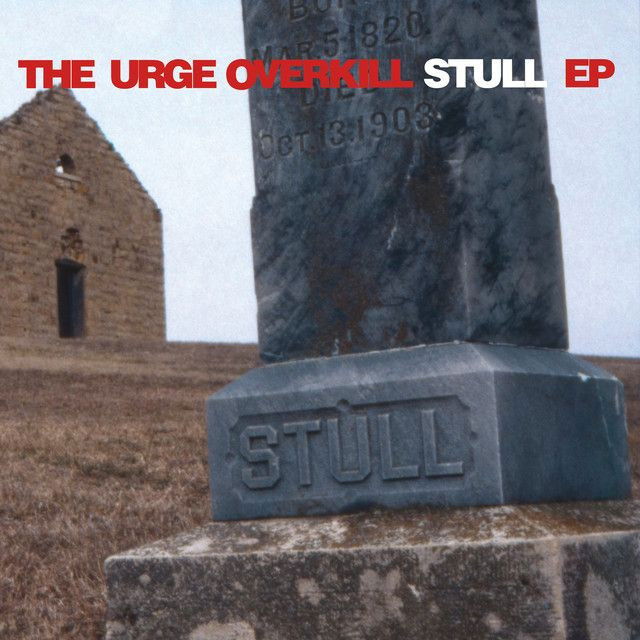
The song was written by Neil Diamond and first became a hit in 1967, reaching No. 10 on the US pop chart. Urge Overkill later recorded their cover for the 1992 EP Stull, and it became famous after appearing on the Pulp Fiction soundtrack in 1994. Those facts matter because the same words can feel very different depending on who sings them and where people hear them.
The Heart of the Song Is a Plea for Choice
At the lyric level, the narrator believes other people are poisoning the girl’s opinion of him. He feels judged, dismissed, and shut out. When he insists don't let them make up your mind
, he is asking for independence, but he is also pressuring her to act.
That dual feeling is the key to the song. On one hand, it sounds like a defense of personal choice against family or social pressure. On the other hand, the narrator is not neutral. He is trying to win her over, and the repeated push toward adulthood raises the emotional stakes.
Interpretation: That is why the song can land as both romantic and unsettling. It is about desire, but it is also about persuasion.

Watch the official Girl, You'll Be a Woman Soon
music video
A Narrator Who Feels Wronged
The verses present a speaker who sees himself as misunderstood. He says he has been treated unfairly and hears others imply he is not acceptable for her. Phrases like he's not your kind
and the boy's no good
create a social conflict: this relationship is being judged from outside.
That makes the narrator sound wounded. He frames himself as someone kept down by gossip and class-style disapproval. The song’s drama comes from that gap between how he sees himself and how others see him.
Interpretation: The song does not prove whether the critics are right or wrong. It only gives the narrator’s side. That ambiguity is important, because it keeps the listener from fully relaxing into the romance.
Why the Chorus Feels Bigger Than the Story
The chorus is direct and memorable, built around take my hand
and you'll need a man
. In plain terms, the narrator links growing up with choosing him. He treats adulthood as something close and unavoidable.
That is where modern listeners may feel conflicted. The line is meant to sound protective and inevitable, but it can also sound possessive. Instead of merely saying she will grow older, he turns her future into an argument for his place in it.
Girl, you'll be a woman soon
Please, come take my hand
Those two short lines capture the song’s emotional engine: tenderness mixed with insistence.
What Urge Overkill Change Without Changing the Words
Urge Overkill did not rewrite the lyric, but they changed the atmosphere around it. Their recording, produced by the band with Kramer, first appeared on Stull and later found a much bigger audience through Pulp Fiction. According to Wikipedia, the cover reached No. 59 on the Billboard Hot 100 and No. 11 on the Modern Rock chart.
Musically, their version feels more detached than Neil Diamond’s hit single. The tempo is steady, the arrangement is leaner, and the vocal delivery has a cool, almost numb quality. Instead of selling the lyric as earnest yearning, Urge Overkill let it hang in the air.
That matters because the words misunderstood for all of my life
sound different when sung with a calm, almost blank surface. The result is not melodrama. It is unease.
The Pulp Fiction Effect
For many Americans, this cover is inseparable from Pulp Fiction. The song plays during one of the film’s most famous and dangerous scenes, which changed its cultural meaning. What might once have sounded like a dramatic love song became tied to danger, irony, and collapse.
Neil Diamond later explained that he first resisted licensing the song because he did not want his music used around drug references, then changed his mind after reading the script and hearing advice from his publisher, as reported by American Songwriter. That backstory helps explain why the placement feels so striking: the song entered a context far darker than its original one.
Urge Overkill’s King Roeser said the band’s version had an “odd, haunting quality,” also quoted by American Songwriter. That is a smart description. The cover does not mock the song. It shadows it.
Original Intent Versus Modern Listening
Neil Diamond wrote the song for his young female fans, according to American Songwriter and Songfacts. In that original setting, the song was closer to a dramatic pop address to teenage listeners on the edge of adulthood.
Today, listeners often hear more tension in it. The age-coded language, the pressure in the chorus, and the one-sided storytelling all create discomfort. Urge Overkill’s alternative-rock version makes those tensions easier to hear because it strips away some of the original pop warmth.
The Lasting Meaning of the Cover
So, what is the meaning of Girl, You'll Be a Woman Soon Urge Overkill? It is a song about desire fighting social judgment, but also about how desire can sound persuasive, needy, and a little dangerous all at once.
Urge Overkill’s genius was to expose that tension rather than smooth it over. They turned a 1960s plea into a 1990s mood piece, and that shift is why the song still lingers.
Disclaimer: This interpretation separates documented facts from critical reading. Meaning can vary by listener, context, and era.








