Diplomat's Son by Vampire Weekend
A secret love story in motion
The meaning of Diplomat's Son Vampire Weekend starts with tension. The song follows a narrator caught between desire, guilt, and memory. They want intimacy, but they also know they may be acting selfishly. That conflict gives the song its emotional pull.
"Diplomat's Son" - Vampire Weekend
And if I wait, could I ever forgive myself?
On a night when the moon glows yellow in the riptide
Loading lyrics...
Unable to load lyrics
We're unable to display the lyrics at this time. Please try again later.
At the center is a remembered encounter that feels both exciting and painful. The narrator looks back on a bond with another young man, then admits they may not have been able to offer real care. When they confess that all they want is to use you
, the song becomes brutally honest. It is not a clean romance. It is a story about wanting someone while fearing what that want reveals.

Watch the official Diplomat's Son
music video
Where the story came from
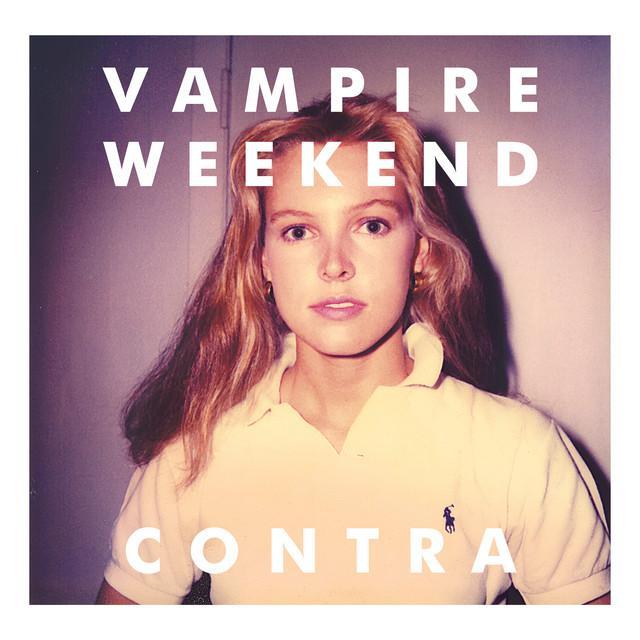
The track appeared on Vampire Weekend's 2010 album Contra. According to Songfacts, Rostam Batmanglij said Ezra Koenig had once written a short story called “Diplomat's Son,” and that idea later got turned into a more personal love story. Batmanglij also said he wanted the music to have two Jamaican-feeling parts and aimed for the spirit of M.I.A.'s Kala, but performed by a band
.
That background matters because the song feels like two memories stitched together. One groove drifts and glows; another pushes forward with nervous energy. The structure mirrors the narrator's split state of mind: desire in one direction, shame in the other.
The plot beneath the fragments
What happens in the lyrics
The song does not tell its story in a neat line. Instead, it drops images and lets listeners connect them.
Early on, the narrator says this moment is morally wrong but urgent. The setting is domestic and eerie: moonlight, TV light, a house at night. Then the song shifts into strategy and escape. They seem to be sneaking around, trying to act before courage disappears.
Later, the details become more intimate. Hidden keys, clothes, and signs that another person is still close by suggest a private encounter. The clearest memory arrives in the verse about smoking with a best friend and waking up after sharing a bed. That is the emotional core of the song.
That night I smoked a joint
with my best friend
we found ourselves in bed
when I woke up, he was gone
This short passage explains why the song feels haunted. The narrator did not just lose a lover. They lost a possibility.
What the chorus really means
The repeated line He was a diplomat's son
sounds oddly formal, even distant. That distance is part of the point. Instead of naming the person in a direct, emotional way, the narrator describes him through family status and time: it was '81
. The memory is preserved like an old photograph.
Interpretation: the chorus may show how the narrator protects themself. By reducing the person to a label and a year, they can keep the feeling at arm's length. Yet repetition does the opposite too: it turns that figure into an obsession.
The phrase also hints at class and mobility. A diplomat's child belongs to a world of travel, privilege, and impermanence. That suits a song about a connection that could not stay still long enough to become stable.
Desire, shame, and the fear of hurting someone
One of the strongest parts of the song is its self-accusation. The narrator says offering love would be cruel because they are not capable of giving it honestly. This is more severe than simple heartbreak. It suggests a person who knows they can desire someone deeply while still failing them.
Interpretation: some listeners hear the song as a coming-of-age story about queer desire and the panic that can follow first experience. The evidence is strong: the “best friend” memory, the secrecy, and the mix of longing with retreat. But the song never states a fixed label, which is why it remains open and powerful.
Another reading is broader. It may be about any relationship where attraction arrives before emotional readiness. In that sense, the song is not only about identity. It is also about timing, guilt, and the damage caused by wanting without commitment.
How the sound carries the meaning
A long song that feels like recollection
At more than six minutes, “Diplomat's Son” is one of the band's longest tracks, and that length matters. It creates the feeling of drifting through memory instead of hearing a tidy pop single. Songfacts notes that the track includes an interpolation of Toots and the Maytals' “Pressure Drop” and a vocal sample from M.I.A.'s “Hussel,” which helps explain its slippery, hybrid feel.
The production is warm but unsettled. The beat leans toward digital dancehall, while the guitars and vocals keep it human and vulnerable. There is movement in the rhythm, but emotionally the song circles the same wound.
A small detail says a lot: Batmanglij noted that a kitchen faucet can be heard in the home recording behind the guitar solo, as mentioned by Songfacts. That accidental domestic sound fits the lyric world perfectly. This is a song where ordinary spaces hold life-changing memories.
Why the ending feels cold
In the final image, the narrator looks out at cold water and sees a black car with diplomatic plates. The ending does not resolve the story. It freezes it.
That matters because the song is about distance as much as closeness. Water, wind, darkness, and the formal image of the car all suggest a life moving away from the narrator. Whatever happened in that room, it now belongs to another place.
Why the song still lingers
The meaning of Diplomat's Son Vampire Weekend lasts because the song refuses easy moral comfort. It captures the rush of wanting, the shock of recognition, and the guilt of not knowing how to love well. Its layered production makes those feelings feel half remembered and still alive.
For many listeners, that honesty is what gives the track its power. It does not turn memory into a lesson. It lets memory stay messy.
Disclaimer: This article offers informed interpretation based on the lyrics, artist comments, and production context. As with any song, meaning can vary from listener to listener.








