Why 'Jerusalem, New York, Berlin' Feels So Heavy
The meaning of Jerusalem, New York, Berlin Vampire Weekend comes from the way the song joins heartbreak to history. On the surface, it sounds like someone thinking about a love that never became real. But the title, the references to time, and the darker final verse open the song into something much bigger.
"Jerusalem, New York, Berlin" - Vampire Weekend
I think I love you still
But this prophecy of ours
Loading lyrics...
Unable to load lyrics
We're unable to display the lyrics at this time. Please try again later.
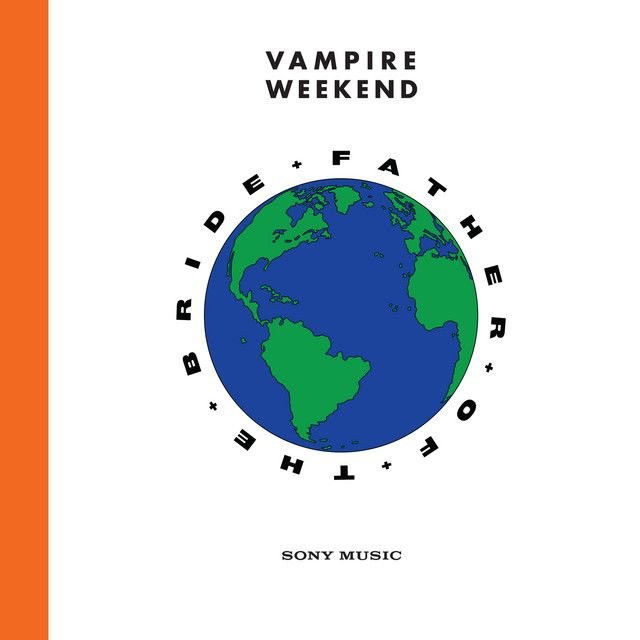
On Father of the Bride, Vampire Weekend often mix private feeling with public life. This track, written by Ezra Koenig, Ariel Rechtshaid, and BloodPop, is one of the album's most serious moments. It was released on the 2019 album Father of the Bride by Vampire Weekend through Columbia Records.
A love song carrying the weight of history
The first verse starts with emotional uncertainty. They admit the love was real once and may still be real now. But that feeling is trapped inside a failed promise, described as a prophecy of ours
that returns violently. In plain terms, the future they imagined together has turned into something dangerous and painful.
That shift matters because the song never stays only personal. The line about a dream that cannot be made real suggests longing without fulfillment. Interpretation: the relationship becomes a symbol for any ideal people build together—romantic, political, or spiritual—that later collapses under reality.
Watch the official Jerusalem, New York, Berlin
music video
Why the three cities matter so much
The title is the song's map. Jerusalem, New York, and Berlin are not random place names. They carry huge cultural and historical meaning, especially in conversations about Jewish identity, religion, migration, memory, and modernity.
Interpretation:
- Jerusalem can suggest sacred history, homeland, and contested belonging.
- New York can suggest diaspora life, assimilation, ambition, and reinvention.
- Berlin can suggest European culture, catastrophe, and the afterlife of trauma.
When the chorus sighs what could have been
, the song seems to imagine roads not taken between those worlds. It is mourning lost possibilities, not just lost romance.
The line that changes the scale: 1917
The second verse includes since 1917
, which pushes the song firmly into historical territory. That year can point listeners toward major political turning points: World War I, the Balfour Declaration, revolution, and the reshaping of nations. They do not spell out one single event, but the date invites that whole century into the room.
This is where the meaning of Jerusalem, New York, Berlin Vampire Weekend becomes especially rich. An endless conversation
lasting more than a hundred years suggests debates that never truly end: nationhood, exile, identity, violence, hope, and how people live with inherited history.
The images that follow feel domestic and apocalyptic at once. A battery burning up and marriages melting combine ordinary life with collapse. Interpretation: the song may be saying that large historical pressures eventually overheat private life too. Even intimate bonds can fail when they carry the stress of collective dreams.
What the chorus really says
The chorus is simple, but it hurts. The singer keeps losing, yet still wants to win. That language sounds almost childish at first, but it is really about the basic human wish for love, belonging, justice, or peace.
By pairing that wish with the three-city refrain, the chorus turns disappointment into a civilizational lament. They are not only grieving a person. They are grieving the gap between vision and reality.
The darkest warning in the final verse
The final verse becomes much more direct. Bodies decay, speech dries up, and time stretches painfully when there is nothing left to say
. The song imagines exhaustion after generations of argument and damage.
Then it reaches its moral center. The narrator accepts that some battles may be lost, but begs the world not to revive hatred. The phrase genocidal feeling
is the song's bluntest warning. It reminds listeners that beneath ideology and identity lies a recurring human capacity for mass violence.
That is why the song feels so unsettling. It does not treat history as finished. It suggests the urge behind atrocity can return if people let old myths, resentments, and tribal thinking start again.
How the music carries the meaning
The arrangement deepens all of this. On an album known for brighter, busier songs, this track feels hushed and stately. Its soft tempo and gentle melody give the words room to breathe.
That calm surface matters. Rather than shouting its message, the song lets dread rise slowly. The performance feels reflective, almost prayerful, which fits a track built around sacred, urban, and historical spaces. Interpretation: the beauty of the music mirrors the beauty of the dream, while its restraint reflects how fragile that dream has become.
Artist context helps explain the tension
Ezra Koenig has often written about identity, place, history, and modern life in ways that blur the personal and political, as seen across the band's catalog and album materials from Sony Music and Vampire Weekend's official channels. That makes this song feel consistent with their style, even if it is more solemn than many of their best-known singles.
The writing credits also matter. Ariel Rechtshaid and BloodPop helped shape Father of the Bride's wide sonic palette, and this song shows how that team could make something elegant without making it vague. The production stays clear and uncluttered, so the ideas land.
The clearest takeaway
The meaning of Jerusalem, New York, Berlin Vampire Weekend is about failed promises on two levels at once: a love that cannot become real, and a historical dream that keeps collapsing into conflict. Its title gives the song a global frame, while its voice stays painfully human.
That is why it lingers. It sounds like mourning, but also like a warning.
Disclaimer: This interpretation draws on the lyrics, historical references, and publicly known artist context. As with many Vampire Weekend songs, some meanings remain open to listener interpretation.








