Why 'Step' by Vampire Weekend Feels So Wistful
Vampire Weekend’s “Step” is one of those songs that sounds graceful on first listen and then grows more complicated the closer they get to the words. For many listeners, the meaning of Step Vampire Weekend comes down to a mix of jealousy, memory, and the hard lessons that arrive with age.
"Step" - Vampire Weekend
You always step to my girl
Back, back, way back, I used to front like Angkor Wat
Loading lyrics...
Unable to load lyrics
We're unable to display the lyrics at this time. Please try again later.
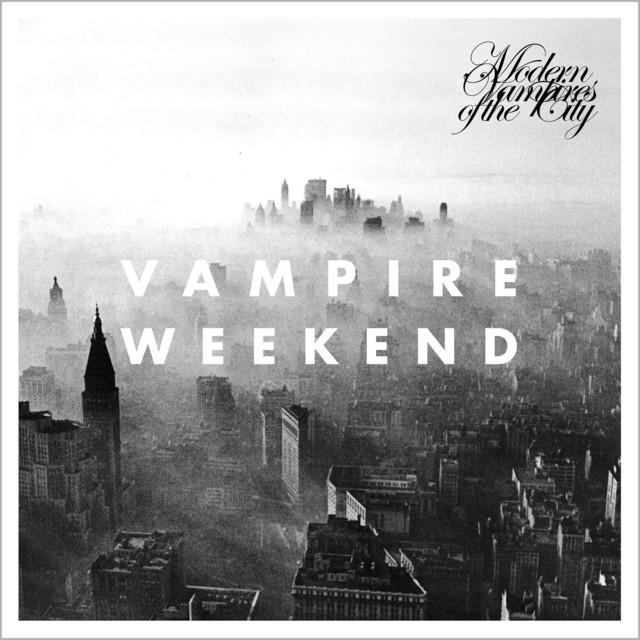
The song appeared on Modern Vampires of the City, the band’s 2013 album, which was widely discussed as a more reflective and spiritually searching record than their earlier work. It was written by Ezra Koenig, Rostam Batmanglij, and David A. Gates. In broad terms, “Step” turns a small social conflict into a bigger meditation on time, pride, and how people outgrow old ideas about love.
The Real Heart of the Song
On the surface, the plot seems simple. The narrator sees another person getting close to my girl
, and that sparks defensiveness. But the song does not stay in that possessive space for long.
Instead, it keeps widening out. The verses move through old locations, old scenes, old fashions, and old versions of the self. That matters because the central drama is not really about winning someone back. It is about realizing how immature that idea may have been in the first place.
Interpretation: the song tracks a shift from ego to acceptance. At first, the speaker sounds territorial. By the end, they understand that the woman at the center of the song is not an object to guard.

Watch the official Step
music video
From Youthful Posturing to Self-Knowledge
Early in the song, the narrator looks backward at a younger self who performed sophistication. References to faraway places, music scenes, and intellectual cool all create the sense of someone building an identity out of style and taste.
That is why phrases like back then
feel important. The past is not presented as pure glory. It is shown as cluttered, performative, and even a little embarrassing.
Then the chorus changes the emotional key. When they sing the gloves are off
and wisdom teeth are out
, the imagery suggests exposure. Protective layers are gone. Childhood and adolescence are literally being pulled away. The line I feel it in my bones
makes that growth sound physical, as if maturity is not just a thought but a bodily fact.
A Chorus About Growing Up
The hook is one of the smartest parts of the song because it sounds triumphant and vulnerable at the same time. The narrator says they are stronger now, but they also admit I can't do it alone
.
That tension is the key to the meaning of Step Vampire Weekend. Strength here is not domination. It is the ability to admit dependence, change, and uncertainty.
There is also a sly joke in Such a modest mouse
. It works as a cultural nod, but it also reinforces the song’s concern with self-image. The narrator is still talking through cool references, yet the emotional center has become more honest.
Images of Memory, Class, and Taste
One reason “Step” feels rich is that it packs so many details into its verses. They mention cities, boomboxes, snow, reading, records, and social scenes. These are not random decorations.
They build a portrait of young adulthood shaped by taste and status. The song seems aware of how people define themselves through what they read, hear, wear, and where they have been. That can feel exciting, but it can also become shallow.
Interpretation: the song gently mocks the urge to turn culture into identity. The narrator remembers these details clearly, but they do not sound fully convinced they mattered as much as they once believed.
The Most Revealing Turn in the Final Verse
The last verse is where the song deepens. It moves away from social rivalry and into something closer to wisdom. The lyric about youth and age suggests that people praise wisdom in theory, but often still long to be young.
That idea leads to the song’s clearest moment of emotional growth:
Maybe she's gone
she doesn't need me to protect her
This is the turning point. The narrator finally lets go of the fantasy that love means possession or rescue. If the earlier refrain sounded jealous, this moment corrects it.
The closing lines then look at mortality itself. The song reminds listeners that everyone is aging and dying, but it refuses total despair. It lands in a place that is sad, tender, and strangely reassuring.
How the Sound Carries the Meaning
Musically, “Step” helps tell its story through elegance rather than force. The arrangement has a stately, piano-centered feel with layered vocals and a chamber-pop polish. That refinement makes the song feel older than a standard indie-rock single, which matches its lyrical interest in inheritance, history, and growing up.
The production also softens the narrator’s jealousy. If the song had been louder or harsher, it might have felt more possessive. Instead, the graceful melody makes the self-examination stand out. The band sounds reflective, not aggressive.
There is another layer here too. “Step” is widely connected to a chain of musical borrowing involving Bread’s “Aubrey” and Souls of Mischief’s “Step to My Girl.” That history fits the song beautifully. Even its musical DNA is about memory, influence, and the way art keeps returning in new forms.
Why the Song Still Connects
Part of the song’s staying power is that it understands a common adult experience: looking back and realizing they were not as wise as they thought. The narrator remembers scenes of style, romance, and rivalry, but the final insight is simpler and deeper.
Interpretation: “Step” is about learning that love cannot be owned, youth cannot be kept, and identity built on coolness will eventually crack. What remains is humility.
That is why the song feels wistful rather than bitter. It does not deny loss. It just suggests that growing up means seeing other people more clearly.
A Last Word on What "Step" Means
For listeners searching for the meaning of Step Vampire Weekend, the song is best heard as a meditation on maturity disguised as a clever indie-pop narrative. It begins with envy and ends with surrender, not defeat.
That movement is what gives “Step” its emotional power. They take a moment of romantic insecurity and turn it into a song about aging, memory, and the limits of possession.
Interpretation disclaimer: song meanings are not always fixed, and this reading combines lyrical analysis, musical context, and informed interpretation rather than a single definitive statement from the band.









