Why ‘Ya Hey’ Is Vampire Weekend’s God Song
The meaning of Ya Hey Vampire Weekend starts with a strange, bold idea: they turn a pop song into an argument with God. Not a simple prayer, and not a clean rejection either. Instead, “Ya Hey” sounds like a believer, skeptic, and disappointed admirer all speaking at once.
"Ya Hey" - Vampire Weekend
Zion doesn't love you
And Babylon don't love you
Loading lyrics...
Unable to load lyrics
We're unable to display the lyrics at this time. Please try again later.
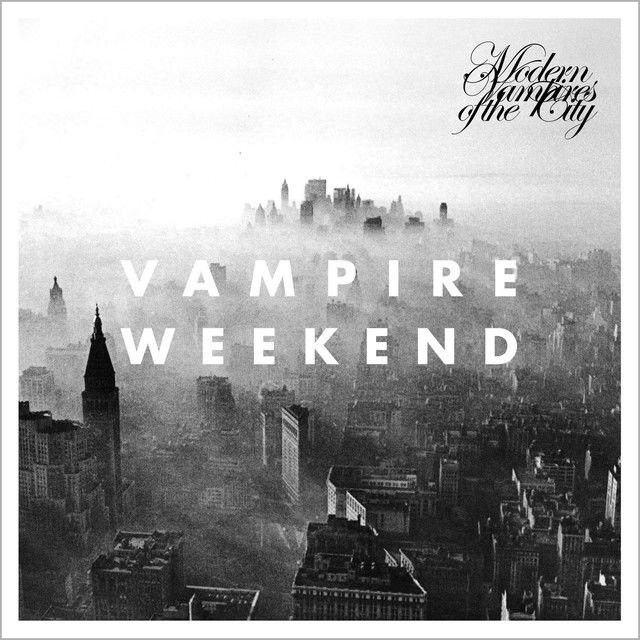
Released in 2013 as a single from Modern Vampires of the City, the song became one of the album’s most discussed tracks. That makes sense. It is catchy, but it also wrestles with religion, identity, history, and silence.
The Heart of the Song: Love, Distance, and Disappointment
At its core, “Ya Hey” is about the painful distance between human beings and the God they keep reaching for. The lyrics address a divine figure who seems loved, doubted, hidden, and maybe absent.
Early lines pile up places and groups that do not offer love back: Zion, Babylon, America, the motherland, the fatherland, the faithless, and the zealous. The point is not just political name-dropping. It shows a world split by nations, belief systems, and tribes, all failing to create real belonging.
Against that backdrop, the speaker keeps returning to a divine “you.” When the song says you love everything
, it presents God as universal. But that idea is quickly tested by pain and neglect. The speaker seems to ask: if divine love is so wide, why does life feel so broken?

Watch the official Ya Hey
music video
Why the Title Matters So Much
The title “Ya Hey” is widely understood as a stylized play on the sacred name Yahweh, the God of the Hebrew Bible. That matters because the song is not speaking to just any higher power. It is reaching toward a specific religious tradition while also showing discomfort with naming God directly.
That tension appears in the repeated complaint you won't even say your name
. In the song, God is both central and hard to grasp. The divine name is near, but never fully available.
The Biblical Echo at the Center
The song also references the biblical phrase I am that I am
, tied to God’s self-revelation in Exodus. In plain terms, the lyric points to a God defined by pure being, not by easy human categories.
Interpretation: Vampire Weekend use that phrase to show why the relationship feels frustrating. A God who exists beyond explanation may inspire awe, but that same mystery can feel impossible to live with. The line that follows asks who could bear such a standard, turning theology into emotional struggle.
A Song Full of Broken Systems
One of the smartest parts of “Ya Hey” is how it connects spiritual distance with modern life. The song describes a damaged world through images of technology, surveillance, and anxiety. The phrase broken machine
suggests more than a faulty object. It can stand for culture itself: a system people built, trusted, and now barely understand.
Later, the references to cameras, files, and paranoia make the song feel intensely modern. This is not ancient scripture set to music. It is faith under pressure in a world of records, suspicion, and constant observation.
Interpretation: They seem to suggest that modern people do not only struggle with doubt because of philosophy. They struggle because they live inside systems that feel impersonal, overmanaged, and spiritually thin.
How the Chorus Changes the Emotion
The chorus is where the song turns from thoughtful to wounded. It frames the divine as present during trial, yet still withholding. That repeated tension gives the track its emotional sting.
Through the fire and through the flames
You won't even say your name
These lines are brief, but they say a lot. The first half evokes suffering and endurance. The second half turns that struggle into a complaint: even in crisis, the speaker does not get closeness, clarity, or a clear answer.
That is a key part of the meaning of Ya Hey Vampire Weekend. The song is not just asking whether God exists. It is asking why a meaningful God can feel so hidden during the moments when people need presence most.
The Sound Makes the Doubt Feel Catchy
Part of the song’s power comes from the contrast between sound and subject. According to the song’s credits on Wikipedia, it was written by Rostam Batmanglij, Ezra Koenig, and Ariel Rechtshaid, and produced by Batmanglij and Rechtshaid. It mixes piano, drums, bass, programmed elements, and that high, almost helium-like vocal hook.
That vocal treatment matters. The bright, odd refrain can sound playful at first, almost childlike. But critics heard a deeper tension in it. Pitchfork called the track a work of “childish innocence and poetic confidence,” which captures the contrast well.
The music moves with bounce and lift, while the words carry spiritual exhaustion. That mismatch is the point. “Ya Hey” sounds like a celebration shadowed by confusion. It invites listeners to sing along to a crisis of faith.
The Festival Scene and the Human World
Near the end, the song suddenly lands in a concrete setting: festival grounds, evening air, records playing. This moment is easy to miss, but it matters.
Instead of staying in abstract theology, the song returns to lived experience. They hear music, feel the air cool, and find a kind of earthly trance. In that scene, spiritual searching does not disappear. It gets folded into culture, memory, and shared sound.
Interpretation: This suggests that if God feels distant, music may become one of the few places where transcendence still flickers.
Final Reading: What “Ya Hey” Really Means
In the end, “Ya Hey” is about the ache of seeking a God who feels both immense and unavailable. It questions religious language, national loyalties, and modern systems without fully giving up on wonder.
That is why the song lasts. It does not offer an answer. It offers a recognizable conflict: they want the divine to be loving, near, and speakable, yet the world keeps answering with noise, fracture, and silence.
For many listeners, that tension is the real meaning of “Ya Hey”: faith and doubt sung at the same time.
Disclaimer: This article offers an informed interpretation based on the lyrics, known context, and critical reception. Songs can support multiple valid meanings.








