Can't Go On This Way by Van Morrison
A protest song built from frustration
The meaning of Can't Go On This Way Van Morrison is direct on the surface and more revealing underneath. The song is about public exhaustion during the pandemic era, especially the feeling that daily life was being shrunk by rules, fear, and mistrust. It names lost pleasures, public anger, and a sense that ordinary people are trapped while powerful figures make the decisions.
"Can't Go On This Way" - Van Morrison
We can't go on holidays can't stay abroad
Klaus is the wizard gates is playing God
Loading lyrics...
Unable to load lyrics
We're unable to display the lyrics at this time. Please try again later.
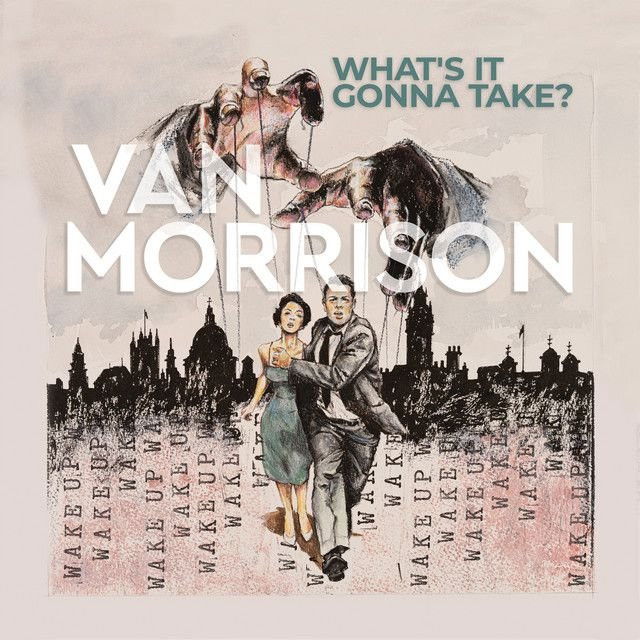
Van Morrison released the song in 2021 and included it on his double album Latest Record Project, Volume 1. In that larger context, it fits a period when they were writing openly about lockdown policy, media distrust, and civil liberty concerns. That background matters because this is not a vague blues complaint. It is a topical song aimed at a specific historical moment.
The central message: life feels paused and controlled
At its core, the track says life no longer feels fully lived. The opening complaints about dancing, travel, and holidays are simple on purpose. By listing common pleasures, the song turns politics into everyday experience. This is not about abstract policy language. It is about people feeling cut off from joy.
The repeated hook can't go on this way
works as both protest and warning. It says the current condition is emotionally draining, but it also suggests a moral limit has been reached. The phrase it's just not on
sounds almost conversational, which gives the song a pub-talk bluntness. That plain style helps the message land.
How the verses widen the target
After the first complaints, the lyrics move from inconvenience to deeper distrust. The song claims the government is dishonest and that the public feels too worn down to resist. When Morrison writes that life is drifting away
, they turn frustration into something sadder: a feeling of numbness.
That shift matters. The song is not only angry at leaders. It is also disappointed in the public mood. The line about no one being brave enough to object suggests passivity, even resignation. In other words, the crisis in the song is political, but also spiritual. People are not just restricted; they are losing energy and agency.
The named figures and what they represent
The sharpest lyric names two public figures with Klaus is the wizard
and Gates is playing God
. Factually, this points to Klaus Schwab and Bill Gates, who became major symbols in many pandemic-era debates and conspiracy-heavy discussions. In the song, though, they function less as full portraits than as shorthand for elite power.
Interpretation: these names help Morrison frame the song as a struggle between ordinary life and distant authority. Whether a listener agrees with that framing or not, the artistic effect is clear. The lyrics create a world where decisions come from above, while everyday people absorb the cost below.
Because the song is so specific, it also became controversial. Some listeners heard it as a defense of freedom of movement and speech. Others heard it as grievance music shaped by distrust and suspicion. That split response is part of the song's meaning in public culture.
Why the chorus hits so hard
The chorus keeps returning to pleasure denied: dancing, travel, movement, release. Those are not luxury details. They stand for social life itself. Dancing means community. Travel means openness. Holidays mean rest and choice.
Can't go out dancing
can't find no joy
This brief couplet captures the song's emotional engine. First comes the blocked action, then the emotional result. That cause-and-effect pattern repeats throughout the track: limits lead to sadness, and sadness leads to social drift.
Sound and arrangement: groove against confinement
Musically, the song leans on a steady rhythm and familiar Morrison phrasing rather than a chaotic or explosive arrangement. That choice is important. The groove gives the lyrics motion, even as the words complain about being unable to move. The tension between sound and message creates a kind of trapped momentum.
That is one reason the track can feel catchy even when its mood is bitter. Morrison has long worked in blues, R&B, soul, and folk-rock spaces, and this song uses that seasoned vocal flow to make complaint sound lived-in rather than theatrical. On the album page, critics noted the project's reflective and argumentative character. This track fits that mold: conversational, repetitive, and insistent.
A song about sadness, not only anger
One of the most revealing lines says people are sad, but not angry enough to act. That is a sharper observation than the song's headlines may suggest. Many protest songs celebrate rebellion. This one doubts whether rebellion will happen at all.
Interpretation: that makes the song less triumphant than it first appears. Beneath the accusations is a fear that people are getting used to decline. The repeated images of slipping and drifting give the song a tired emotional center. Even the outrage sounds weary.
Final takeaway on the song's meaning
The meaning of Can't Go On This Way Van Morrison lies in its mix of protest, fatigue, and distrust. It argues that restrictions and elite power have drained ordinary joy, while also accusing the public of becoming too numb to push back. Its strongest idea is not just that something is wrong, but that people can feel wrongness every day and still keep drifting.
For some listeners, that makes it a bold statement of resistance. For others, it is a snapshot of pandemic-era suspicion. Either way, the song is best understood as a plainspoken social complaint carried by a restless groove.
Disclaimer: This interpretation separates verifiable context from critical reading. Song meaning can vary by listener, and Van Morrison has not provided a single definitive line-by-line explanation for every lyric here.







