Why 'Don't Cry for Louie' Still Cuts Deep
A warning wrapped in a smoky pop song
The meaning of Don't Cry For Louie Vaya Con Dios starts with a hard truth: this is a song about attraction turning into control. On the surface, it sounds like a dramatic relationship ballad. Under that, it tells a darker story about a dangerous man, emotional manipulation, and the cost of getting pulled into his world.
"Don't Cry For Louie" - Vaya Con Dios
My girls from out of town
Bought her what she wanted
Loading lyrics...
Unable to load lyrics
We're unable to display the lyrics at this time. Please try again later.
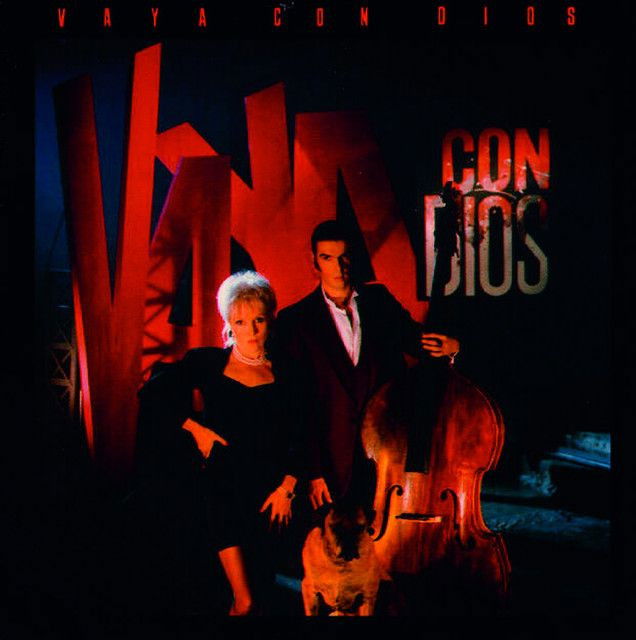
Vaya Con Dios emerged from Brussels in the late 1980s, blending pop with jazz, blues, soul, and Latin colors. The band became one of Belgium's best-selling acts, led by the unmistakable voice of Dani Klein, with early key contributions from Dirk Schoufs. Their 1988 self-titled debut introduced that mix, and Don't Cry for Louie
arrived as one of its standout early singles. It later earned an MTV Video Music Award nomination in 1989, a sign that the song and video traveled well beyond Belgium.

Watch the official Don't Cry For Louie
music video
Two voices, one trap
What makes the song so effective is its split viewpoint. One voice sounds hurt and angry after betrayal. Another voice, or another angle, tells the story of meeting Louie in a rough part of town and being drawn to him. Together, those strands build a portrait of a man who pulls people in and then dominates them.
Early lines show sacrifice and disappointment. The speaker gives up friends, spends money, and still feels mocked. When the song says Louie would not return the same loyalty, the point is not just heartbreak. It is imbalance. One person is invested; Louie stays cold.
That emotional gap drives the chorus. The repeated idea behind Girls don't cry for Louie
is not comfort. It is a warning. The lyric suggests that tears are wasted on someone who does not feel accountable and does not care enough to grieve back.
The story moves from seduction to threat
How the verses connect
The narrative seems to unfold in stages:
- Someone is hurt after giving too much.
- Louie appears as a charismatic stranger.
- His charm turns into control.
- The song widens into a warning for anyone near him.
The meeting scene matters because it explains the pull. Louie arrives at closing time, in a hazy, unstable hour, and promises excitement. When he says they will burn this town
, he sounds thrilling, rebellious, and larger than life. That line sells fantasy before reality sets in.
Then the song turns sharper. The lyrics include blaming language, wounded pride, and talk of teaching someone a lesson. That shift is crucial. It suggests that Louie, or a man like him, treats love as possession. Hurt feelings become an excuse for power.
Who are you to judge me?
Who are you to take her side?
This is the article's only longer lyric quote because it captures the song's emotional pivot. The speaker stops sounding merely sad and starts sounding defensive and threatening. The pain is real, but the response is ugly.
What the chorus really means
The chorus is catchy, but its message is bitter. When the song says do what Louie tells you to
, it moves beyond romance into obedience. That line frames Louie as someone who sets rules and expects submission.
Interpretation: the chorus works like street advice. It sounds almost like a proverb passed from one woman to another: if they enter Louie's orbit, they should know the danger. In that reading, the song is not admiring him. It is exposing him.
There is also irony in the title. “Don't cry” usually sounds gentle. Here it feels more like survival logic. Do not waste emotion. Do not expect fairness. Do not confuse charisma with love.
Why the sound matters as much as the words
Vaya Con Dios was known for cross-genre style, and that matters here. The arrangement has a late-night feel: soft groove, bluesy shading, and a vocal delivery that stays cool even when the story turns cruel. That contrast is powerful.
Instead of big rock anger, the band uses restraint. The smooth rhythm and lounge-like mood make Louie feel seductive at first. Dani Klein's voice does the rest. She sings with enough distance that the song feels observant, not melodramatic. That coolness lets the warning land harder.
Interpretation: the production mirrors the theme. Toxic people often do not arrive looking monstrous. They arrive looking stylish, confident, and exciting. The music understands that. It makes danger sound attractive, which is exactly the trap the lyrics describe.
Artist context helps explain the song's edge
Vaya Con Dios built its identity on mixing elegance with grit. According to widely cited band histories, the original group formed around Dani Klein, Dirk Schoufs, and Willy Lambregt, and their debut album was self-produced. That DIY spirit helps explain why Don't Cry for Louie
feels so distinctive. It does not chase a simple pop formula; it leans into character, atmosphere, and uneasy storytelling.
The song also fits the band's wider interest in complicated relationships. Their catalog often places romance next to loss, power, or illusion rather than simple happy endings. This track may be one of the clearest early examples.
A few strong alternate readings
One reading is literal: Louie is a controlling man, and the song warns women about him.
Another is broader. Interpretation: Louie can stand for any destructive charm, whether that means a lover, nightlife, or a reckless lifestyle. The repeated scenes of bars, streets, and lonely mornings support that idea.
A third reading focuses on the divided voice. The song may blend victim, witness, and abuser to show how toxic stories are told from conflicting angles. That makes the song feel messy on purpose. Abuse, pride, desire, and denial all speak at once.
The takeaway behind the hook
The meaning of Don't Cry For Louie Vaya Con Dios is not that heartbreak makes people wise overnight. It is that charm can hide danger, and some people turn love into control. The song's brilliance is that it delivers that message in a sleek, memorable package.
That is why the track still holds up. It is catchy, but it never feels shallow. Under its elegant surface sits a warning about power, performance, and emotional damage.
Disclaimer: This interpretation is based on the song's lyrics, musical context, and publicly available background on Vaya Con Dios. As with any song, listeners may hear different meanings.







