Why “We’re the Same” Feels Like Young Love
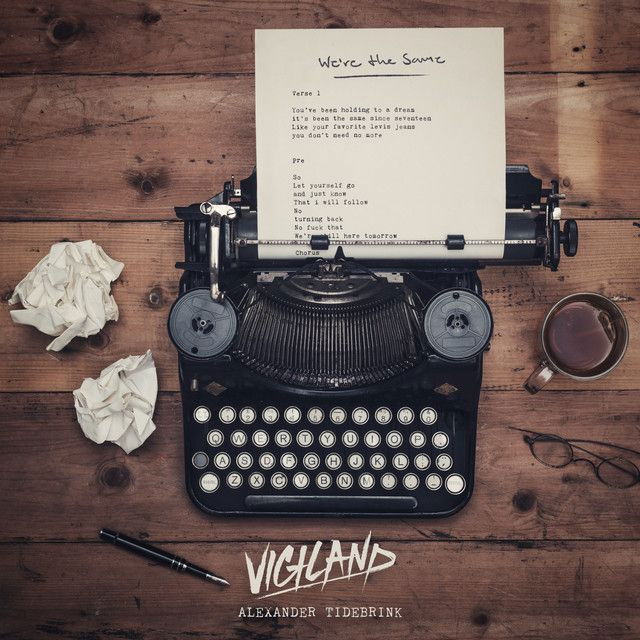
The meaning of We’re The Same Vigiland, Alexander Tidebrink centers on loyalty between two people who see themselves in each other. It is a love song, but not a soft or careful one. Instead, it celebrates a bond built on shared flaws, shared history, and a shared willingness to mess up and keep going.
"We’re The Same" - Vigiland, Alexander Tidebrink
It's been the same since seventeen
Like your favorite Levi's jeans
Loading lyrics...
Unable to load lyrics
We're unable to display the lyrics at this time. Please try again later.
Released in 2019, the song became a strong hit in Sweden, peaking at No. 15 and later earning 2× Platinum, according to A7S discography. That matters because it shows how well this theme connected: the song turns reckless devotion into something catchy, warm, and communal.
The Heart of the Song Is Mutual Recognition
At its core, the track says: they are not together because one person saves the other. They are together because they are alike. The title phrase, we're the same
, is not just romantic. It is also an argument.
The singer tells the other person that their old dreams still matter. When the lyric mentions being stuck with a dream since youth, it suggests identity that has not fully changed with age. The image of old jeans also points to comfort and familiarity. They may be worn, but they still fit.
Interpretation: the song treats sameness as intimacy. These two people do not need to explain themselves much, because each already understands the other's stubbornness, history, and need to break rules.

Watch the official We’re The Same
music video
Verses About History, Not Just Attraction
The first verse frames the relationship through memory. The person being addressed has held on to hope since age seventeen. That detail gives the song a coming-of-age feeling. This is not a random fling. It feels tied to growing up, to the version of themselves they were before adult caution set in.
Later, the lyric says no one knows you like I do
. That line deepens the story. The bond is built on experience, not fantasy. They have seen each other at their best and worst.
A second key image is rebel kids in school
. In plain terms, the song compares the couple to teenagers who ignored the rules and accepted the consequences. That image supports the larger theme: they are united not by perfection, but by attitude.
The Chorus Turns Mistakes Into a Promise
The chorus is where the emotional thesis becomes clear. Instead of asking for innocence, the song invites risk. The phrase fall from grace
sounds dramatic, but here it means choosing each other even if that choice looks foolish from the outside.
The next idea is even more important: let us make mistakes
. Rather than deny that they are flawed, the song welcomes those flaws into the relationship. It says love can survive bad choices, rough edges, and messy timing.
We're just the same
Now and forever
These lines turn sameness into permanence. The hook suggests that what keeps them together is not growth into ideal adults, but recognition that both are still driven by the same impulses they always had.
Defiance Makes the Romance Stronger
One reason the song stands out is its bluntness. There is a line where the singer rejects turning back in very direct language. Even without repeating it fully, the message is obvious: regret has no place here.
That edge matters. Many pop love songs describe devotion as safety. This one describes devotion as a leap. They know the relationship may look chaotic. They go anyway.
Interpretation: there are two possible readings here:
- It is a romance between two impulsive people who feel less alone together.
- It can also be heard as a wider youth anthem about refusing shame and keeping faith with the person they used to be.
Both readings fit the lyrics, because the song moves easily between “you and I” intimacy and a bigger feeling of shared identity.
How Vigiland’s Sound Carries the Meaning
Vigiland are known for making dance-pop that blends bright melodies with a rougher, more emotional streak. In “We’re the Same,” that style helps the message land. The beat gives the song lift, while the vocal phrasing keeps it personal.
The production does not sound mournful, even when the lyrics talk about mistakes and falling. Instead, the music turns risk into release. The drop and chorus feel designed for singing with other people, which supports the central idea of unity.
Alexander Tidebrink, also known as A7S, has a long history of writing and appearing on Vigiland songs. According to Wikipedia’s A7S entry, “We’re the Same” followed other successful collaborations and became another certified Swedish hit. That ongoing partnership helps explain why the performance feels natural: the song sounds like artists who already understand each other's lane.
Why the Song Connected With Listeners
The song’s appeal comes from a simple but powerful promise: they do not need to become flawless to deserve love. In a culture full of songs about heartbreak or self-improvement, this one offers a different comfort. It says being known is enough.
That is likely why the repeated hook works so well. Repetition here is not lazy writing. It acts like reassurance. By the end, the phrase feels less like description and more like a vow.
For listeners in the United States, the track may also feel familiar because it sits in a lane between EDM energy and pop storytelling. It has festival-ready momentum, but its emotional core is close to a diary confession.
Final Meaning: Love as Shared Imperfection
The meaning of We’re The Same Vigiland, Alexander Tidebrink is that real closeness can grow from imperfection, history, and mutual recognition. The song argues that two people can stay loyal not because they are good at love in a polished way, but because they understand each other deeply and refuse to judge too hard.
In that sense, “We’re the Same” is both romantic and defiant. It says the relationship lasts because both people still carry the same fire, the same scars, and the same hunger to live freely.
Disclaimer: This interpretation is based on the released lyrics, performance, and available public context. As with any song, listeners may hear meanings the artists did not state directly.








