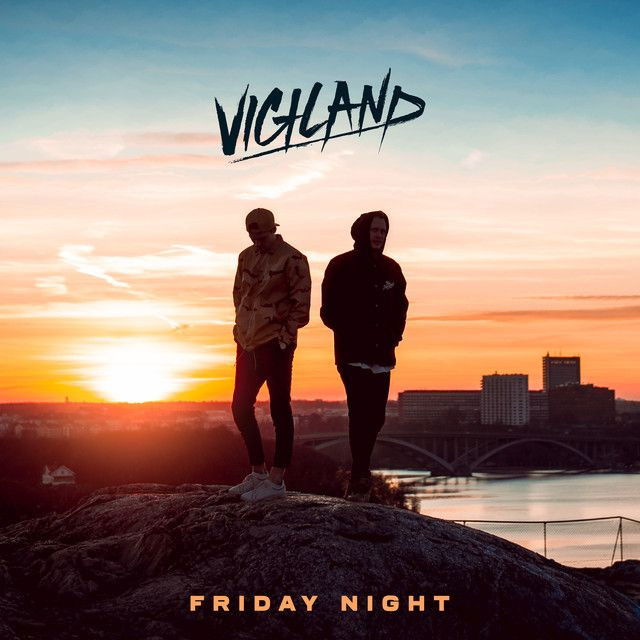
Why 'Friday Night' by Vigiland Hits Back
The meaning of Friday Night Vigiland comes into focus fast: this is a dance-pop song about rejection, pride, and taking power back after being treated like an outsider. On the surface, it tells a simple scene at a club door. Underneath, it sounds like a small rebellion against anyone who decides who belongs and who does not.
"Friday Night" - Vigiland
Put my backpack on to do my thing
But the bouncer wouldn't let me in
Loading lyrics...
Unable to load lyrics
We're unable to display the lyrics at this time. Please try again later.
Vigiland, the Swedish duo known for bright, high-energy electronic pop, often build songs that feel made for movement and release. That matters here. Even without outside production credits confirmed in the provided details, the song’s structure clearly leans on a chant-like hook and a rising sense of pressure, which fits its message of emotional recovery.
A Club Door Becomes a Social Test
The opening lines set the scene in a very visual way. The speaker gets ready for a night out, puts on a backpack, and tries to enter a club, only to be blocked by a bouncer. That detail matters because the song is not just about romance or partying. It is about access, judgment, and public embarrassment.
The bouncer is the first face of that judgment. When the lyric mentions a stupid grin
, the insult is not only that the speaker is refused entry. It is that the refusal feels mocking. The night becomes a test of dignity.
From there, the song shifts from hurt to resistance. Earlier rejection once led to tears, but this time the speaker chooses not to fold. That emotional turn is the engine of the whole track.
Watch the official Friday Night
music video
The Real Conflict Is About Identity
What gives the song more weight is how quickly the door scene grows into something larger. The speaker is not only mad about being kept out of one place. They are angry at being labeled.
When the song uses the phrase you don't control me
, it frames the conflict as one of identity and power. The other person thinks they can define the speaker as odd, weak, or embarrassing. The speaker answers by refusing that label.
Another key phrase is I'm here to stay
. That line turns the song from reaction into declaration. They are not asking to be accepted on someone else’s terms. They are saying they will remain visible anyway.
From “Geek” to Self-Definition
One of the strongest ideas in the song is the way it reclaims words used as insults. The speaker references being called freaky
and a geek, but does not let those names stick in the usual way.
Instead, the song bends those labels into self-definition. The line about being as cool as I am geek
is especially important because it refuses the false choice between being stylish and being different. In other words, the speaker does not need to become less unusual to deserve confidence.
Interpretation: this is where the song becomes more than a nightlife story. It can be heard as an anthem for anyone who has been mocked for how they look, dress, move, or act in public spaces.
How the Chorus Flips the Power
The chorus is simple, repetitive, and effective. It starts with the threat of control, then reverses it. That repetition matters because it feels like a mental reset. The speaker keeps repeating the idea until it becomes believable.
You think you own me
I control you
This is the song’s boldest moment. Literally, it may sound exaggerated. But emotionally, it makes sense. The speaker is reclaiming inner control by refusing shame.
Interpretation: the line does not necessarily mean real domination over another person. More likely, it means the speaker now understands that the gatekeeper’s power depends on being feared. Once that fear breaks, the balance changes.
Why the Production Fits the Message
The song’s electronic dance style helps carry the meaning. A track like this works through momentum: beat, build, hook, repeat. That shape mirrors the lyric arc from humiliation to defiance.
The vocal writing also sounds designed for a crowd response. Short, punchy phrases make the message feel public rather than private. Instead of sounding like a diary entry, the song feels like something meant to be shouted back in a room full of people.
That choice is crucial. Songs about exclusion can become heavy or inward-looking. Here, the dance-pop frame turns pain into motion. The body keeps moving, and that movement becomes part of the comeback.
A Story About Belonging in Plain Language
Another reason the song works is that it uses ordinary details instead of abstract poetry. The backpack, the glasses, the club entrance, and the bouncer all make the scene easy to picture. Those details ground the bigger message in a recognizable moment.
The phrase walked away
becomes important because it marks the choice the speaker refuses to repeat. They no longer want to disappear just because someone else is uncomfortable with their difference.
That gives the song a clear theme: belonging should not depend on fitting a narrow social script. The speaker claims space not by becoming acceptable, but by staying themselves.
Final Take on the Song’s Meaning
So, what is the meaning of Friday Night Vigiland? It is a comeback song about being judged, called strange, and shut out, then refusing to accept that treatment as truth. It uses a club-door story to talk about self-respect in any space where people are told they are too weird, too geeky, or not cool enough.
Its message lands because it is direct. They get knocked back, then decide not to leave. That is the heart of the song.
Disclaimer: This interpretation is based on the lyrics provided and general musical context. As with most songs, listeners may hear different meanings in the same lines.









