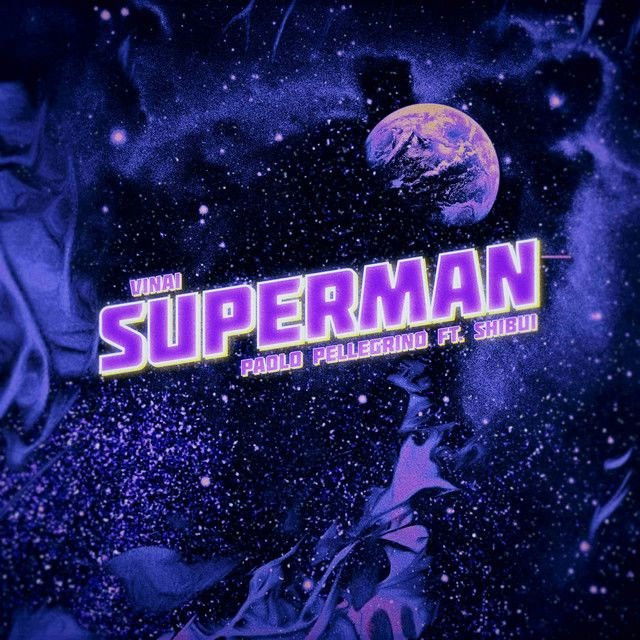
Why 'Superman' Is About Emotional Limits
The meaning of Superman VINAI, Paolo Pellegrino, Shibui comes down to one sharp idea: someone is being asked to save a relationship they are not strong enough to save. Under its bright dance-pop surface, the song is less about heroism than burnout, confusion, and the pressure to be everything for someone else.
"Superman" - VINAI, Paolo Pellegrino, Shibui
I don't even know you've been in my bed
Drown in my head now I'm out of plans
Loading lyrics...
Unable to load lyrics
We're unable to display the lyrics at this time. Please try again later.
That tension gives the track its hook. It sounds built for a late-night club set, but its lyrics describe a person who feels emotionally crowded and out of answers.
A Dance Track With a Tired Heart
At the center of the song is a narrator reacting to a recurring relationship. The opening repeats a shocked feeling: called again
. That small phrase matters because it suggests a pattern, not a one-time surprise. This person has been pulled back into the same emotional loop before.
The next lines make the situation feel even messier. When the narrator says been in my bed
, the song hints at intimacy without stability. There is closeness, but not clarity. The relationship seems physical, emotional, and unresolved all at once.
Then the song turns inward with drown in my head
. That is the clearest image in the lyric. Instead of sounding heroic, the speaker sounds mentally overloaded. They are not planning a rescue; they are trying to keep themselves afloat.

Watch the official Superman
music video
What the Chorus Really Means
The main hook lands on need is a superman
. In plain terms, the narrator is saying the other person wants more than they can give. They may want constant reassurance, emotional repair, or a fantasy version of love where one person fixes everything.
Interpretation: The word “superman” works as a metaphor for impossible expectations. It is not praising a lover. It is a way of admitting failure, or at least human limitation.
That reading becomes stronger in the later line you call it love
. The narrator pushes back against the label. To them, this does not feel like mutual care. It feels dramatic, unstable, and maybe one-sided.
Who Is Speaking, and To Whom?
The song uses a first-person voice, but its emotional shape is easy to follow. One person is speaking directly to another person who keeps returning. They seem drawn to each other, but they do not agree on what the bond means.
A simple timeline looks like this:
- The other person reaches out again.
- The narrator reacts with disbelief and stress.
- They admit sadness and confusion.
- They conclude they cannot be the perfect partner being demanded.
That mix of distance and guilt is important. The narrator is not cold. When they say forgive me
, the song shows remorse. They are setting a boundary, but not without pain.
The Sadness Hidden Inside the Hook
One of the most revealing moments is the admission that they do not know why they feel down. That line gives the song more depth than a simple breakup anthem. The narrator is not just annoyed; they are emotionally foggy.
Interpretation: This could mean the relationship has become exhausting enough that even their own feelings no longer make sense. They know they cannot be what the other person wants, but they also cannot fully detach.
That ambiguity helps explain why the chorus is so repetitive. Pop repetition usually makes a song catchy, but here it also mirrors mental spiraling. The same thought keeps returning: this person wants a hero, and the narrator keeps failing that test.
How the Sound Carries the Meaning
VINAI are known for high-energy electronic music, while Paolo Pellegrino also works in melodic dance-pop spaces, and Shibui’s vocal style fits sleek, emotional club production. In that context, “Superman” makes sense as a crossover between festival-ready rhythm and intimate frustration.
The production likely matters as much as the lyrics. The bouncing beat, airy synths, and repetitive vocal melody make the song feel light on first listen. But that contrast is part of its effect. The body wants to dance while the words describe emotional strain.
The non-lexical refrain — the playful “la-da-di” section — also serves a purpose. It acts like emotional escape. When the story gets too messy, the song steps into pure sound instead of explanation. That can feel like denial, release, or simply the blank space left after an argument.
Two Strong Ways to Read the Song
Reading One: A boundary-setting anthem
In this version, the narrator is telling someone to stop expecting rescue. They are saying: they are human, overwhelmed, and unable to keep carrying the relationship.
Reading Two: A guilty confession
There is also a softer reading. The narrator may still care deeply, but they know they are too emotionally unstable to show up well. The sadness in the lyric suggests not just frustration, but self-disappointment.
Both readings fit the meaning of Superman VINAI, Paolo Pellegrino, Shibui. The song lives in the space between refusal and regret.
Why the Song Connects
What makes “Superman” relatable is its modern honesty. Many pop songs promise devotion without limits. This one does the opposite. It says love can reach a point where one person is asked to become unrealistic: stronger, calmer, wiser, and more available than any real person can be.
That is why the title works. A superhero sounds powerful, but in this song, the image exposes weakness. The narrator does not want to be adored. They want to be understood.
In the end, “Superman” is a dance song about emotional capacity. It captures the moment when attraction is still alive, but the fantasy has collapsed. They can stay in the story, or they can save themselves — but they cannot save everyone.
Disclaimer: This interpretation is based on the released lyrics, performance, and musical context. As with most pop songs, listeners may hear different meanings in the same lines.








