
Lost in the Wild by WALK THE MOON
They sprint toward freedom, but not to forget. In WALK THE MOON’s “Lost in the Wild,” the narrator wakes to the wreckage of last night and decides to run anyway—toward a person, a risk, and a truer self. If you’re looking for the meaning of Lost in the Wild WALK THE MOON, think of it as a pledge to start again, scars and all.
"Lost in the Wild" - WALK THE MOON
Morning breaks like splatter paint
Wipe the dust from my eyes
Loading lyrics...
Unable to load lyrics
We're unable to display the lyrics at this time. Please try again later.
Where This Wilderness Leads
The song frames “the wild” as a mindset more than a map. It’s the place you enter when you stop apologizing for your instincts and push past fear. Lines like morning breaks like splatter paint
capture the shock of a new day after a messy night, but the chorus flips that chaos into a plan.
Interpretation: the wild is a shared refuge for two people who believe their connection can outlast the damage. Instead of dwelling on what went wrong, they vow to move—fast, forward, together.
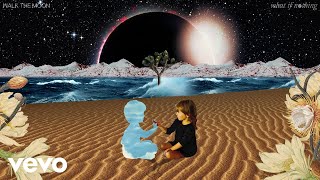
Watch the official Lost in the Wild
music video
Who’s Talking, and Why They Chase
The narrator speaks in first person to a specific “you,” asking them to join an escape from shame and second-guessing. They own the mess—calling it a stampede of misbehaviors
—yet keep reaching out. When they insist you belong out here with me
, it feels less like possession and more like faith that both are built for more than regret.
Interpretation: it’s a reconciliation song that acts like an adventure anthem. The chase is emotional first, literal second.
Scene-by-Scene: From Daybreak to Downtown
- Daybreak: The narrator wakes, realizes the other person is gone, and relives the night in flashes. The morning is jarring—
morning breaks like splatter paint
—and full of “I really thought that I could save us” second thoughts. - The decision: Instead of spiraling, they choose movement. The body jolts awake, and they run. The song quickens with them.
- The city: They follow clues through streets and traffic lights, pressing on despite noise and pressure. The pursuit becomes a test of will.
- The call: They repeat the invitation to meet in the “wild,” a space beyond blame.
Each step pushes the story from memory to motion, which mirrors the band’s arrangement—verses sprint, the hook opens wide, and the bridge aches with yearning.
The Hook as a Pact
Here’s the core promise, as brief as a trail marker:
We’ll all be animals Let’s get lost in the wild
The chorus isn’t reckless for its own sake. The song even warns not to start a forest fire
. It’s a call to burn away shame only—then brush the ashes off
and keep going. Interpretation: the pact is to be raw and honest without torching what matters.
Symbols Decoded: Animals, Ash, and Starting Lines
- Animals: Dropping social masks. The “animal” within is instinct, not cruelty. It’s permission to feel fully.
- Fire and ash: Damage has happened. But ash is also soil. When they
brush the ashes off
, they treat pain as residue, not identity. - Scratches and speed: The cuts on hands and feet admit the cost of trying. Running is a verb of hope.
- The starting line: The plea to find
a starting line
reframes the story. They don’t want to rewind; they want a clean launch. - City vs. wild: The city is pressure—rules, lights, watchers. The wild is the private zone where honesty lives.
Together these motifs shape the meaning of Lost in the Wild WALK THE MOON: resilience through motion, new beginnings, and love that dares to reset.
Sound That Sprints
WALK THE MOON pair driving drums with gleaming synths and a big, sky-reaching chorus. The kick and tom patterns feel like feet on a trail, while the bass locks them into forward thrust. Guitars stab and shimmer rather than linger, keeping the verses urgent.
Nicholas Petricca’s vocal lifts into a near-falsetto on the hook, matching the leap-of-faith theme. The bridge thins the arrangement—almost like catching breath—before the final chorus bursts back, echoing the decision to run again.
Why Fans Feel This One
Interpretation: it’s an anthem for second chances that doesn’t hide the mess. It admits the stampede of misbehaviors
and still chooses connection. Listeners hear permission to start where they are, not where they wish they’d been.
It also sits right in the band’s sweet spot: glossy pop energy with a human core. On their 2017 album What If Nothing, this cut balances neon sounds with earth-and-sweat images, making the emotional stakes feel physical.
Takeaway: Find Your Own Trail
“Lost in the Wild” argues that the only way out is through—and fast. If you need a soundtrack to leave shame behind and meet someone at the edge of a new life, this is it.
Disclaimer: Song meanings are subjective. This analysis blends lyrical evidence with interpretation. The writers credited are Nicholas Petricca, Kevin Ray, Sean Waugaman, Eli Maiman, and John Ryan.







