Why 'Spend Your $$$' Turns Money Into a Mirror
The meaning of Spend Your $$$ WALK THE MOON starts with a simple question: what do people really value? On the surface, the song sounds bright, funny, and quick on its feet. Under that pop shine, though, it pokes at consumer culture, image-making, and the uneasy feeling that money can hide who a person is instead of revealing it.
"Spend Your $$$" - WALK THE MOON
The TV says Mother is hurting
That the clock reads quarter to twelve
Loading lyrics...
Unable to load lyrics
We're unable to display the lyrics at this time. Please try again later.
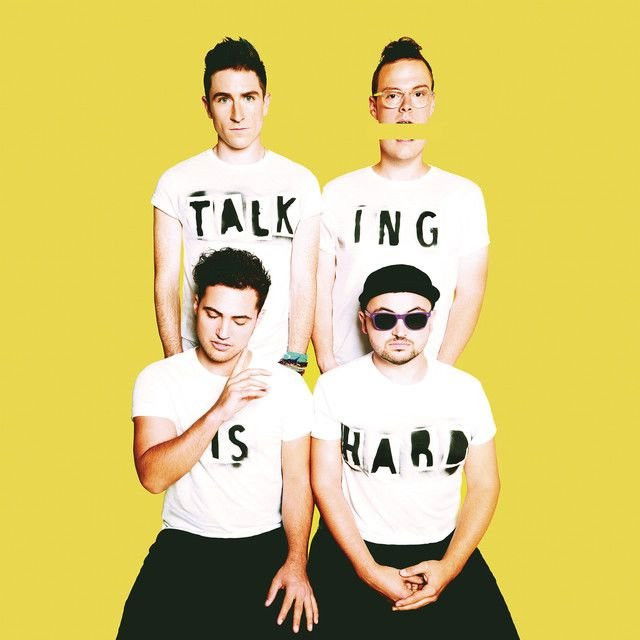
Released on Talking Is Hard in 2014, the track sits inside an album known for glossy 1980s-inspired pop and broader social themes. According to album credits summarized by Wikipedia, “Spend Your $$$” was written by Nicholas Petricca, Kevin Ray, Sean Waugaman, and Eli Maiman, and produced by Tim Pagnotta. That context matters: this is a band using danceable music to ask uncomfortable questions.
The Big Idea Behind the Hook
At the center of the song is the repeated challenge, What do you spend your money on?
They do not ask it like a financial planner would. They ask it like a moral test. The line pushes past shopping and into identity: spending becomes a clue to what a person worships, trusts, or wants to become.
The next key phrase, something of value
, sharpens that idea. The song is not only about cash. It is about worth. They contrast real value with flashy things, social climbing, and surfaces that look impressive but feel empty.
Interpretation: The chorus suggests that buying choices are never neutral in this world. They are little votes for a lifestyle, a class signal, or a version of the self.
Watch the official Spend Your $$$
music video
The Verses Show a Person Performing a Self
The opening verse throws the listener into a stressed, media-heavy world. A TV announces pain and crisis, while the narrator responds by shopping and trying to look more like themselves. That is one of the song’s smartest tensions. Retail therapy is presented as both coping mechanism and identity costume.
When they mention shopping hard just to seem authentic, the irony is clear. A person is trying to purchase a more “real” self. That contradiction drives much of the song.
Desire, Class, and Social Anxiety
The next scene moves into a more intimate space: a first visit to someone’s apartment. The narrator is nervous, hopeful, and scanning for signs of compatibility. The phrase wishful thinker
captures that mix of attraction and projection. They are not just meeting a person; they are reading the room like evidence.
That detail connects to the chorus. Spending habits become a way to judge character. Furniture, taste, neighborhood, even small decorative choices can signal values. The song understands how romance and status often overlap.
A Party Scene Full of Satire
Later, the song widens out into social comedy. At a party, the narrator crosses a barrier into a wealthier or more exclusive world. The details are cartoonish on purpose, including fake breasts
and miniature terriers
. Those images are funny, but they are also sharp. They reduce elite style to accessories, body modification, and tiny symbols of luxury.
This is where the song’s criticism becomes clearest. The people at the party are not described through inner life, kindness, or thought. They are presented as curated surfaces.
Are you the driver
or is someone driving you?
That brief passage is the song’s deepest question. It asks whether people are in charge of their own choices or just following class pressure, trend culture, and desire for approval.
How the Sound Supports the Meaning
One reason the song works is that it never sounds preachy. Research on Talking Is Hard describes “Spend Your $$$” as a “buoyant pop march,” with Nick Petricca moving between his regular voice and falsetto. That musical bounce matters. The band wraps critique in motion, making the song feel playful even when its message is skeptical.
The beat has a forward push, almost like a parade through a shopping district or a nervous walk into a party. The bright keyboards and tight rhythm section keep everything light on the surface. Petricca’s falsetto adds a slightly exaggerated, theatrical quality, which fits the song’s themes of performance and image.
Producer Tim Pagnotta helped shape Talking Is Hard into a sleek, 1980s-leaning record, and this track benefits from that polished approach. The production sounds expensive while the lyrics question what “expense” even means. That contrast is clever.
Band Context Makes the Irony Stronger
WALK THE MOON often balance sincerity with humor, and this song is a good example. Album coverage notes that the chorus grew from drummer Sean Waugaman joking that no one would rob him because he had “nothing of value,” delivered in a David Byrne-like style. That origin helps explain the song’s sideways tone. It is witty, self-aware, and a little absurd.
That matters for interpretation. The band is not only mocking rich people or shallow scenes. They also seem aware that everyone gets caught in these systems. Everyone buys things. Everyone performs a self. Everyone wonders what counts as enough.
Two Strong Readings
Interpretation 1: The song is a critique of consumerism. In this reading, money is a false path to identity, and the chorus asks listeners to measure life by deeper values.
Interpretation 2: The song is about insecurity in dating and social spaces. Here, spending becomes shorthand for compatibility, taste, and power. The narrator is trying to tell whether another person is genuine or just polished.
Both readings fit because the song links romance, status, and self-image so tightly.
The Lasting Meaning of Spend Your $$$ WALK THE MOON
The lasting meaning of Spend Your $$$ WALK THE MOON is that money exposes belief. The song asks what purchases say about love, fear, class, and control. Its scenes of shopping, apartment-reading, and party satire all lead to one point: people reveal themselves through what they chase.
That is why the track still lands. It is catchy enough to feel carefree, but observant enough to sting. They turn a fun hook into a real question about modern life.
Disclaimer: This interpretation is based on the song’s lyrics, documented album context, and public credits. As with most pop songs, listeners may hear different meanings in the same lines.









